From $20 billion to $100 billion: How is Aliko Dangote shaping the future of Africa's largest industrial empire?
An unprecedented expansion plan until 2030
Written by Amna Hassan
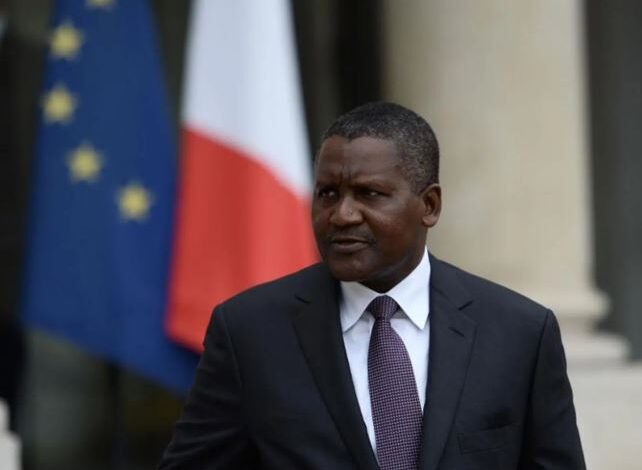
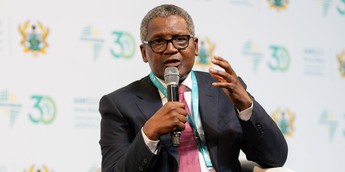
Nigerian billionaire Aliko Dangote, the richest man in AfricaRegarding an ambitious strategy to transform the Dangote Group into a $100 billion global industrial conglomerate by 2030, compared to revenues currently estimated at around $20 billion.
The plan relies on expansion in the oil, cement and fertilizer sectors, along with attracting huge investments from global markets.
Fatima Dangote, the group’s oil and gas executive, confirmed that the company aims to raise its revenues to $80 billion over the next three years, before reaching the $100 billion mark by the end of the decade, in the first official announcement revealing details of the group’s long-term financial goals.
Massive funding drives the new phase
To implement this vision, the group plans to raise approximately $40 billion through several financing instruments, including an initial public offering of the Dangote refinery, the sale of a stake in the fertilizer business, and a secondary listing of Dangote Cement shares on the London Stock Exchange, in a move that could represent one of the largest corporate funding programs in the history of the African continent.
The giant refinery is at the heart of the project
The Dangote refinery, located near Lagos, is the cornerstone of the expansion plan. The group aims to more than double its production capacity to over 1.4 million barrels per day by 2028, placing it among the world's largest refining complexes.
The company also plans to move the refinery model to the Kenyan city of Lamu with investments estimated at about $17 billion, as part of strengthening its presence in East African markets, taking advantage of growing global demand for alternative fuel sources amid geopolitical volatility.
Expansion beyond oil
The group’s ambitions are not limited to the energy sector, as it aims to double fertilizer production from 6 million tons to 12 million tons annually through new projects in Nigeria and Ethiopia, thereby strengthening its position among the world’s largest urea producers.
Meanwhile, Dangote Cement is working to increase its production capacity to 80 million tons per year by 2030, compared to about 55 million tons currently, with continued operations in ten African countries, alongside diversified investments in sugar, salt, mining, energy, ports, shipping and real estate.
Leadership transfer to the new generation
In parallel with its economic expansion, the group is undergoing a gradual transformation in its leadership structure, with Aliko Dangote's daughters assuming key executive roles. Fatima leads the oil and gas sector, Maria oversees the growth of the cement business, and Halima manages international investments, all within a plan designed to ensure the group's sustainability and continued growth over the coming decades.
If this strategy succeeds, the Dangote Group will not only strengthen its position as the largest industrial conglomerate in Africa, but will also become an influential global player in the energy, industry and infrastructure sectors.