Kenya is investigating the deaths of 15 elephants inside Amboseli National Park amid fears of a toxic substance.
Urgent investigations to uncover the causes of the mysterious deaths
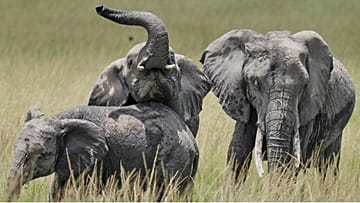
Written by: Mohamed Ragab
The Kenya Wildlife Service has launched a wide-ranging investigation after 15 elephants died in a single month within the Amboseli National Park system, an incident that has alarmed environmental authorities and wildlife conservation experts.
The deaths occurred between late June and late July in Amboseli National Park, Kimana Conservancy and Kuku Farm area, which are important habitats for African elephants and are among Kenya's top tourist destinations.
Similar symptoms before animals die
The Wildlife Authority explained that ten of the dead elephants showed similar symptoms before their deaths, including partial paralysis that left them unable to stand or move, before they died within a day or two.
The other elephants were found dead after their bodies had been scavenged by predators, making it difficult to determine the direct cause of death.
Initial results from some tests showed indications of a potentially toxic substance, but the analysis has not yet determined the nature or source of this substance, while investigations continue to conduct further environmental and laboratory tests.
Water and soil testing to rule out contamination
Authorities have expanded the scope of the investigation to include the analysis of water, soil and plant samples in the areas where the deaths were recorded, in an attempt to determine whether environmental pollution or exposure to toxic substances was behind the incident.
The relevant authorities confirmed that there are no indications yet of a risk to human health, noting that investigations are still ongoing to determine the true cause of the elephants' deaths.
Amboseli is one of the most important elephant habitats in Africa.
Amboseli National Park is one of Africa's most famous nature reserves, renowned for its large population of African elephants living in an open environment at the foot of Mount Kilimanjaro. The park is also an important center for elephant behavior and conservation research, and attracts thousands of tourists annually to witness the wildlife.
Environmental experts believe that any significant losses in elephant numbers within the park could affect the ecological balance and cast a shadow on wildlife conservation efforts in Kenya.
Calls to strengthen wildlife protection
The incident has prompted calls to strengthen environmental monitoring systems within nature reserves and increase investments in disease and pollution monitoring programs to ensure the rapid detection of any risks that may threaten wildlife.
Experts confirm that a quick investigation into the causes of death will help in taking the necessary measures to protect elephants and prevent the recurrence of such incidents, especially since Kenya is one of the most important African countries that has large numbers of elephants and attaches great importance to preserving its biodiversity.