Women in South Sudan complain of insecurity and lack of care: "We can't find medicine."
Ahmed Salem
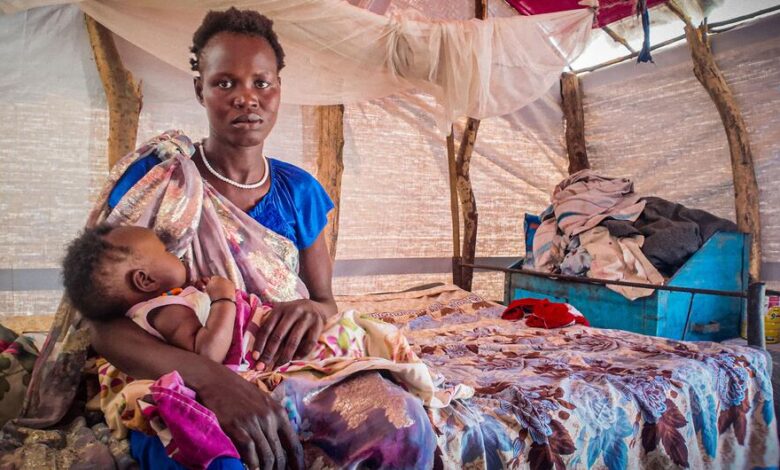
Women in the remote village of Bangolo in Western Equatoria State in South Sudan told UN police officers that persistent insecurity, lack of health care and education, and limited access to basic services continue to threaten their lives and livelihoods.
“There are so many diseases,” said Charity Fatna, a resident of Bangolo, adding, “Even when we go to the health center, we can’t find medicine.”.
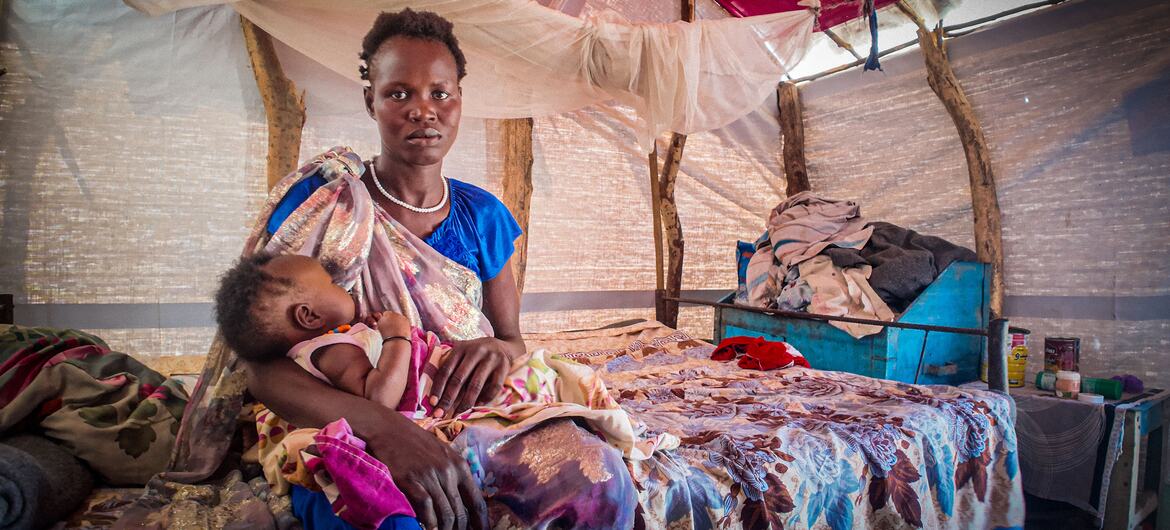
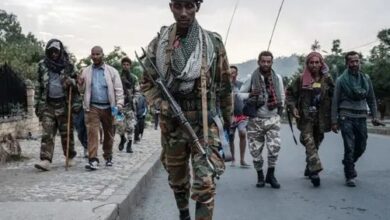
The conflict in the region has led to the displacement of families and forced children to leave their schools.
“Our daughters are growing up without going to school. They can’t even write their parents” names,” says Nora Joseph, expressing the low level of education among students due to their not going to school.
The United Nations police commented on the matter, saying that women are among the strongest advocates for peace in society.
UN police adviser Simbasa Binyi said: “Once women are involved in negotiations and in ensuring peace, men listen to them and believe them.”.
She adds: They spoke about the security challenges they face when entering the jungle, where they cannot practice farming or do anything outside their homes.
The UN police advisor continued: Our mission in South Sudan was present there, so in cooperation with the government of South Sudan, every effort can be made to protect women, children and civilians.
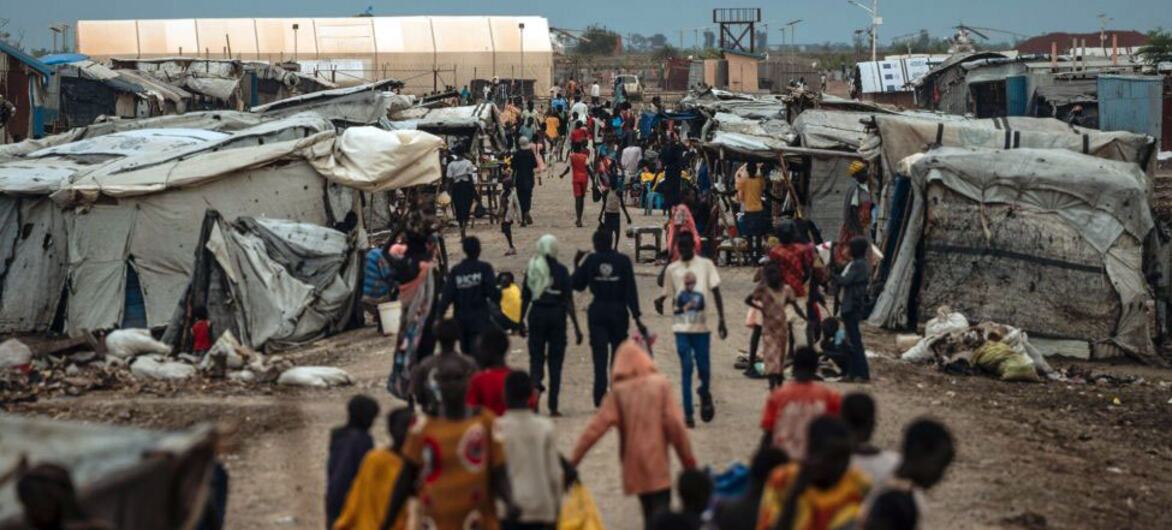
Thousands of families are facing harsh living conditions.
Bishop Joseph Aba Nikanor of the Kajo Keji Diocese issued an urgent humanitarian appeal calling on the government of South Sudan, relief organizations, churches and local communities to take immediate action to address the worsening humanitarian crisis in the region, as waves of displacement continue and the scale of destruction affecting many villages and residential areas expands.
Bishop Nicanor stressed that the humanitarian situation in Kajo Keji requires a rapid and organized response, noting that large numbers of families have been forced to leave their homes and seek safer places, amid difficult living conditions and a severe shortage of basic necessities.
Bishop Kajo Keji explained that displaced families are suffering great difficulties as a result of the loss of shelter and the absence of essential services, including food, clean drinking water and health care, which increases the daily suffering of the affected population.
He warned that the continued lack of protection or adequate housing for displaced people threatens their lives, especially as they are exposed to the risks of harsh climatic conditions, the spread of diseases, malnutrition, in addition to the deep psychological effects resulting from violence, loss of property, and forced displacement.
Calls for urgent aid to be provided to those affected
Bishop Nicanor called on all concerned parties to intensify their efforts to provide urgent support to affected families, urging the government, relief agencies, humanitarian organizations and churches to mobilize the necessary resources to address the crisis.
He stressed the importance of focusing on providing shelter, food, water and medical services, in addition to providing psychological and social support to those affected, especially children, women and the elderly who face the consequences of displacement more severely.