Traditional medicine in Mali: A reality that fights pain and high prices
Traditional medicine heritage in Mali
Ayman Ragab
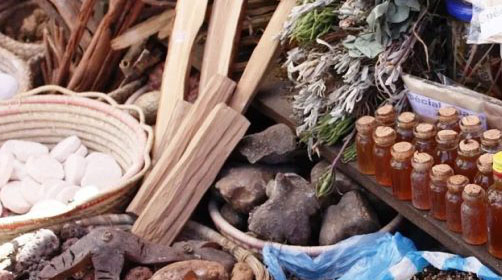
In Mali's capital, Bamako, traditional medicinal mixtures sold by street vendors in plastic containers are widespread, with some traditional healers claiming their healing knowledge was passed down through spiritual means. Between those who believe these accounts and those who doubt them, traditional medicine remains a deeply ingrained part of daily life, especially after the World Health Organization declared 2003 the International Day of African Traditional Medicine.
traditional treatment
Traditional medicine is widely practiced in Bamako, as in many African cities, benefiting from a rich variety of medicinal plants and knowledge passed down through generations. These practices rely on preparations made from leaves, roots, bark, and fruits, and are used to treat a wide range of ailments.
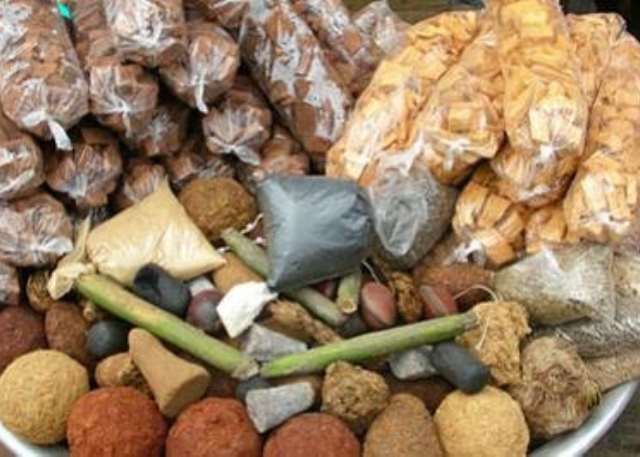
The roots of the various herbs are sold in plastic bottles for 1,000 African francs per pack, making them a suitable option for low-income individuals, many of whom express satisfaction with the results of these treatments, although some users point out that they do not always adhere to the recommended dosages.
Approved in 40 countries
The World Health Organization explained that efforts related to the World Day of African Traditional Medicine contributed to more than 40 countries adopting national policies for traditional medicine by 2022, compared to only eight countries in 2000. 30 countries also incorporated traditional medicine into their national policies, representing an improvement of 100% compared to 2000, while 17 countries now have frameworks to protect intellectual property rights and knowledge related to traditional medicine, whereas no country had such frameworks in 2000.
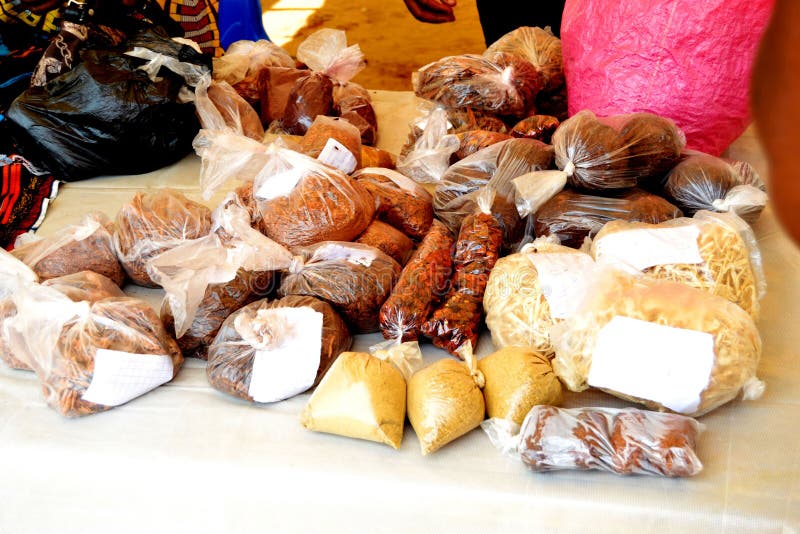
“I have diabetes, but I haven’t been to the hospital for three years,” says Kadia Traoré, a prominent user of traditional medicine. “I prefer to rely on traditional medicine. There are mixtures that help treat diabetes, inflammation, malaria, and asthma, and some traditional medicines are effective.”.
As for Hamidou Traore, he confirms that he resorted to traditional medicine after suffering from stomach pains, explaining: “I was suffering from indigestion after every meal, and it was traditional medicine that helped me alleviate this problem.”.