Fuel prices in Nigeria jump again... Why did Dangwat refinery raise gasoline prices again?
A sudden surge redraws the fuel market map
Written by Amna Hassan
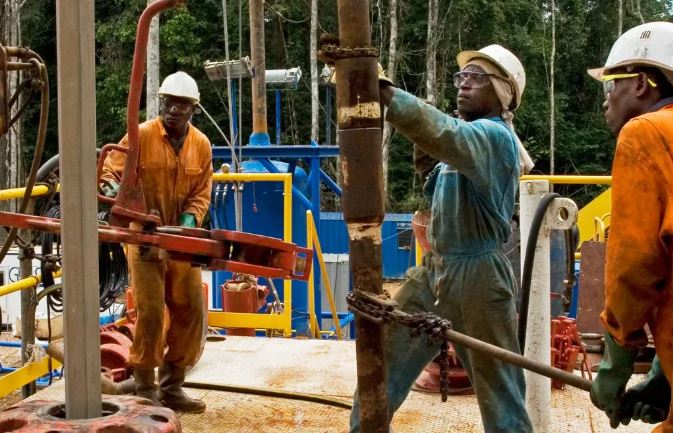
The Dangote refinery, the largest oil refining project in AfricaThe announcement of a 13.02% increase in the wholesale price of gasoline has sparked controversy in the Nigerian energy market, reflecting the growing pressures on the refining sector due to the continued rise in global crude oil prices.
According to the new prices, the price of gasoline from the depot rose from 1075 naira to 1215 naira per liter, coinciding with the resumption of fuel loading and marketing in the local currency, the naira, after a short period of temporary dealing in dollars.
Global oil leads the wave of increases
The decision came as a result of the significant surge in crude oil prices on global markets, which led to an increase in fuel production costs at the refinery. These developments confirm that petroleum product prices in Nigeria have become more closely linked to international market movements, despite government efforts to support domestic supplies.
Observers believe that the continued rise in crude oil prices is putting increasing pressure on refining companies, prompting them to adjust their selling prices to maintain the sustainability of their operations.
A domestic supply crisis is behind the temporary shift in the dollar's value.
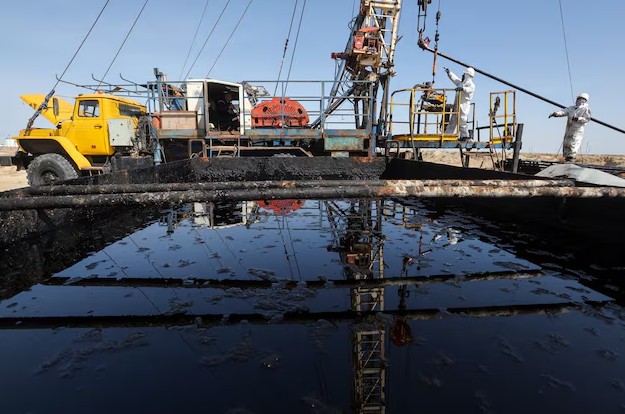
Dangote refinery had temporarily resorted to selling fuel in dollars after facing difficulties in obtaining sufficient quantities of domestic crude oil under the government’s crude oil-for-local-currency swap program.
With the resumption of trading in naira, markets expect an improvement in distribution operations and a reduction in the bottlenecks that the sector witnessed during the past week.
Direct impact on gas stations and consumers
The refinery's decision was quickly reflected in fuel prices across various Nigerian states, with gas stations in major cities such as Lagos, Port Harcourt, Warri and Calabar adjusting their retail prices to around 1,300 naira per liter, amid expectations of continued volatility if global oil prices continue to rise.
An influential element in the Nigerian energy market
Analysts confirm that Dangote refinery’s actions have become an influential element in the Nigerian energy market, given its production volume and its growing role in securing the country’s fuel needs, meaning that any adjustment to its prices directly impacts transportation costs, commodity prices, and inflation levels within Africa’s largest economy.