South Sudan's president signs amendment to peace agreement paving the way for December 2026 elections.
تنظيم الانتخابات لم يعد مرتبطًا باستكمال إعداد الدستور
Written by Ziad Abdel Fattah:
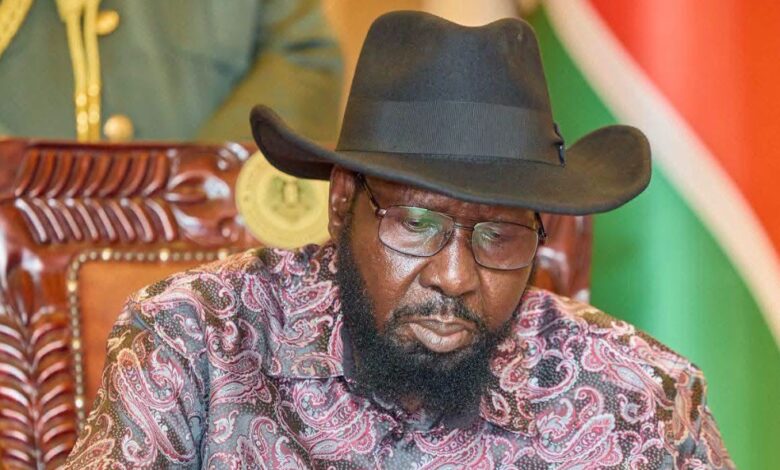
وقّع رئيس جمهورية جنوب السودان، Salva Kiir Mayardit، تعديلًا على اتفاقية السلام المُنشطة، في خطوة تُعد تحولًا مهمًا في مسار تنفيذ الاتفاق، إذ تزيل العقبات القانونية التي كانت تعوق المضي نحو إجراء الانتخابات العامة المقررة في ديسمبر 2026.
وبموجب التعديل، لم يعد تنظيم الانتخابات مرتبطًا باستكمال إعداد الدستور الدائم أو إجراء التعداد السكاني الوطني، وهو ما يفتح الطريق قانونيًا أمام الاستحقاق الانتخابي، وفقًا لما أكده مراقبون للشأن السياسي في جنوب السودان.
وجاء توقيع الرئيس استنادًا إلى المادة (8.4) من اتفاقية تسوية النزاع المُنشطة لعام 2018، إلى جانب المادتين (57/د) و(101/ن) من الدستور الانتقالي لجمهورية جنوب السودان لعام 2011 وتعديلاته، وذلك بعد إقرار التعديل من الهيئة التشريعية الوطنية الانتقالية بموجب القرار رقم (05/2026).
التعديل أحد أبرز الخطوات في تنفيذ اتفاق السلام
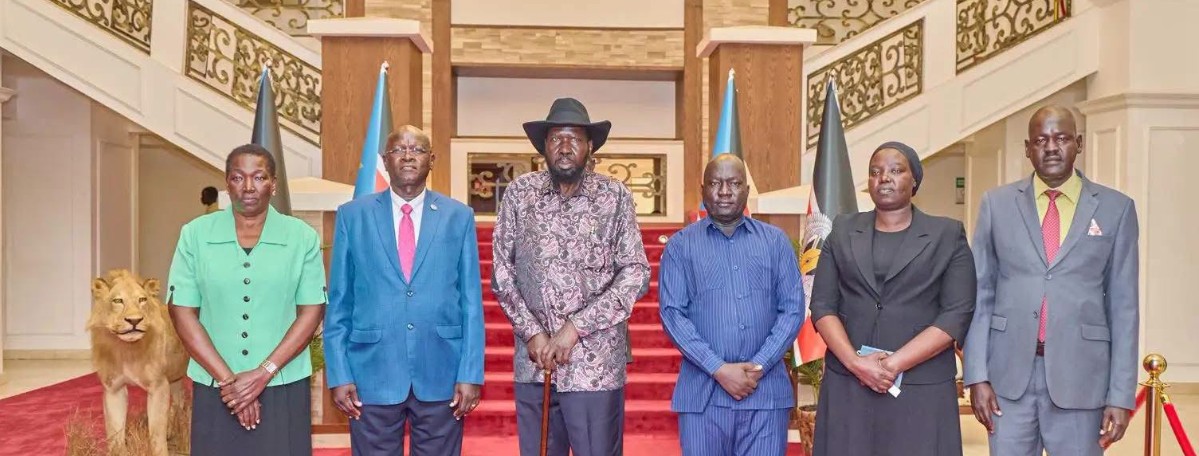
ويُعد التعديل أحد أبرز الخطوات في تنفيذ اتفاق السلام، إذ يفصل بين إجراء الانتخابات واستكمال عملية إعداد الدستور الدائم والتعداد السكاني، بما يرسخ إطارًا قانونيًا ودستوريًا أكثر وضوحًا لإدارة المرحلة الانتقالية والانتقال الديمقراطي في البلاد.
وبتوقيع رئيس الجمهورية، أصبح التعديل قانونًا نافذًا وملزمًا، بما يوفر الأساس القانوني اللازم لتنظيم انتخابات حرة ونزيهة وذات مصداقية، وفقًا للدستور والقوانين المنظمة للعملية الانتخابية في جنوب السودان.
وأوضح بيان رسمي أن السلطة التنفيذية، بقيادة وزارة شؤون الرئاسة ووزارة العدل والشؤون الدستورية، تستعد للمرحلة التالية من تنفيذ الاتفاق، والتي تشمل مواءمة الدستور الانتقالي المعدل مع الأحكام الجديدة، إلى جانب مراجعة قانون الانتخابات الوطني لضمان توافقه الكامل مع التعديلات الدستورية والقانونية.
وأكد البيان أن إقرار هذا التعديل يمثل دفعة قوية لاستكمال تنفيذ اتفاق السلام المُنشط، ويعكس التزام الحكومة بالمضي نحو تنظيم انتخابات سلمية وحرة وشفافة، بما يتيح لشعب جنوب السودان اختيار قيادته عبر صناديق الاقتراع في ديسمبر 2026.