The Pope's visit to Africa: Historical milestones reflecting a message of peace and dialogue
A major apostolic tour of the African continent
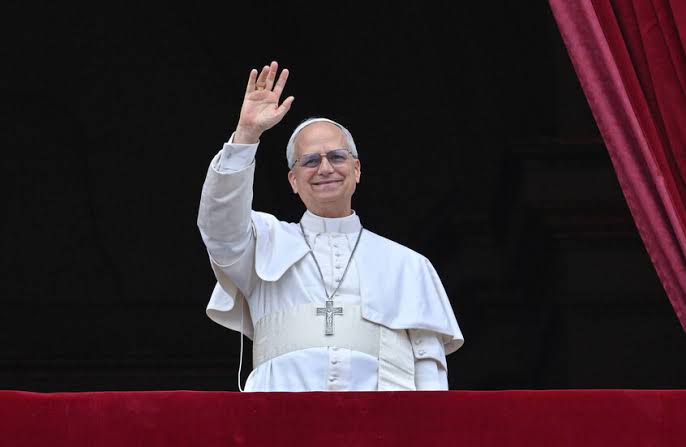
Pope Leo XIV, the Pope of the Holy See, is preparing to launch one of the most prominent apostolic tours in the African continent during the period from April 13 to 23, in a visit that includes four countries: Algeria, Cameroon, Angola and Equatorial Guinea, passing through 11 cities during 11 days full of meetings, prayers and political and humanitarian messages.
The upcoming tour is the third apostolic journey outside Italy since the beginning of his papacy, and it carries religious, diplomatic and cultural dimensions, reflecting the Vatican’s vision to promote interfaith dialogue, support peace efforts and get closer to local communities in Africa that are witnessing a growing Catholic presence.
Algeria is a historical milestone and a beginning with profound implications.
The tour begins in the capital, Algiers (April 13–15), in the first papal visit in the country’s modern history, which gives it an exceptional character. The visit includes a stop at the Martyrs’ Memorial, followed by a meeting with President Abdelmadjid Tebboune at the Presidential Palace.
The Pope will also visit the Great Mosque of Algiers in a clear message of Christian-Muslim dialogue, before meeting the Christian community at the Cathedral of Our Lady of Africa.
The following day, he travels to Annaba to visit the historic ruins of Hippo and the Cathedral of Saint Augustine, recalling the legacy of one of the most prominent Church Fathers whose name is associated with this city.
Cameroon sends messages of peace and national unity
The Pope will travel to the capital Yaoundé from April 15-18, where he will meet with President Paul Biya, and then visit humanitarian and religious institutions.
His visit to Bamenda carries special significance, as the region is experiencing internal tensions, giving the peace meeting at St. Joseph's Cathedral a strong symbolic dimension.
In Douala, the Pope will preside over a mass at Japoma Stadium and visit St. Paul's Hospital, before an academic meeting at the Catholic University of Central Africa.
Angola: Moving spiritual and humanitarian visits
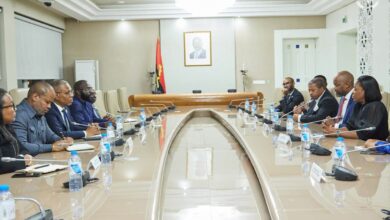
In the capital Luanda, from April 18–21, the Pope will meet with President João Lourenço, then head to Kilamba and Múxima, where the famous Shrine of the Virgin Mary is located, a religious site of great importance to Angolans.
The tour also includes a visit to Saurimo, where he meets with the elderly, presides over an open mass, and addresses priests and pastoral care workers.
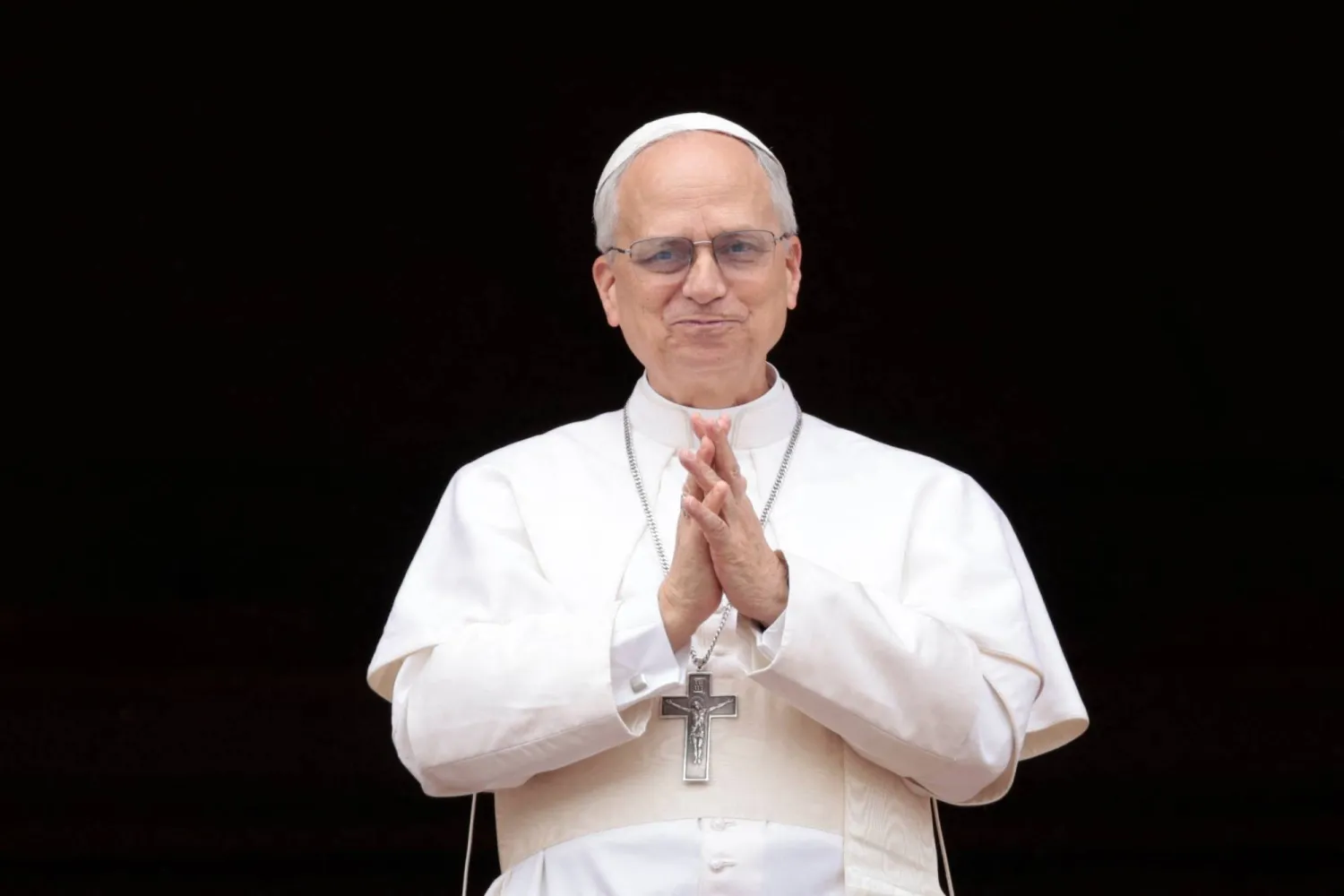
Equatorial Guinea: A humanitarian conclusion and messages of solidarity
The Pope arrives in the capital, Malabo (April 21–23), where he meets President Teodoro Obiang Nguema Mbasogo and visits educational and health institutions.
He then travels to Mongomo and Bata, where he visits a local prison, stands in prayer at the memorial to the victims of the March 7, 2021 bombings, and meets with young people and families at Bata Stadium.
The tour concludes with a large mass in Malabo before returning to Rome.
The dimensions of the anticipated visit are more than just a religious tour.
The visit carries multiple messages:
-Promoting interfaith dialogue, especially in Algeria.
-Supporting peace and reconciliation in Cameroon.
- Highlighting the spiritual and human dimension in Angola.
-Showing solidarity with the victims and vulnerable groups in Equatorial Guinea.
The tour also reflects the Vatican's growing interest in the African continent, which is one of the world's fastest-growing regions in terms of the number of Catholics.
With this tour, Pope Leo XIV is sending a clear message: Africa is not a margin on the map of the Church, but a beating heart for its spiritual and human future.