Senegalese parliament approves constitutional amendment reducing presidential powers
The National Assembly paves the way for broad constitutional reforms.
Written by: Mohamed Ragab
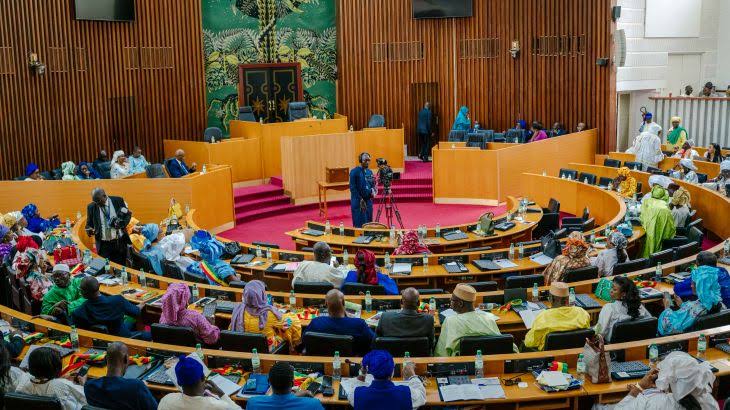
Senegal’s National Assembly has approved a draft constitutional amendment aimed at expanding the powers of parliament and reducing some of the executive powers of the president, in a move considered one of the most significant political reforms the country has witnessed in recent years.
This move comes as part of the Senegalese authorities’ efforts to strengthen the balance between state institutions and consolidate the principles of democracy and good governance by giving the legislative authority a greater role in managing public affairs and decision-making.
The popular referendum will decide the fate of the amendments.
Under constitutional procedures, the amendments will only come into effect after being put to a nationwide referendum, so that Senegalese citizens have the final say in adopting or rejecting the reforms.
The referendum is expected to attract widespread attention, given the potential changes the amendments could bring to the political system and the distribution of powers among governing institutions.
Strengthening the powers of parliament and reducing the influence of the presidency
The constitutional amendments aim to restore balance between the executive and legislative branches by expanding the parliament’s powers to oversee the government and participate in making public policies, while reducing some of the powers enjoyed by the president.
Supporters of the project believe that this step will strengthen the principle of separation of powers and give parliament a more effective role in monitoring government performance and promoting accountability and transparency.
Reforms that could reshape the political system
If the amendments are approved through the referendum, Senegal may enter a new phase in its political history, based on strengthening the role of the legislative institution in managing the state, which will contribute to consolidating democratic institutions and expanding political participation.
Observers believe that these reforms could represent an important shift in the structure of the Senegalese political system, especially in light of the trend towards modernizing institutions and strengthening governance mechanisms.
Awaiting the referendum results
All eyes are on the date of the popular referendum, which will determine the future of constitutional reforms, amid expectations of a broad political debate between supporters and opponents of the project regarding its impact on the balance of power and the future of governance in Senegal.
Analysts emphasize that the success of the amendments will ultimately depend on the will of the voters, who will decide whether these reforms represent a step towards strengthening democracy and improving the performance of state institutions.