After the export ban, will Liberia succeed in turning raw rubber into an industrial powerhouse?
Export ban redraws the map of Liberia's rubber industry
Written by: Mohammed Omran
In a remarkable economic shift that could reshape one of the most important export sectors in LiberiaThe government announced a ban on the export of unprocessed raw rubber starting in July 2026, in a strategic move aimed at shifting the economy from exporting raw materials to local manufacturing, and opening the door to a new phase of industrial growth, job creation and increased national revenues.
Will Liberia succeed in transforming raw rubber into an industrial powerhouse?
Liberian President Joseph Boakai issued a decree banning the export of untreated natural rubber as of July 1, 2026, with the aim of promoting manufacturing, creating jobs and growing the local rubber industry.

The ban on exporting untreated natural rubber is a measure aimed at encouraging local processing and enhancing the added value of one of the country's key export sectors.
Export ban redraws the map of Liberia's rubber industry
According to a statement issued by the Liberian presidency on Friday, Executive Order 166 is part of the government's "Arist" comprehensive development program. The program aims to stimulate manufacturing, create jobs, increase tax revenue, and develop the manufacturing sector.
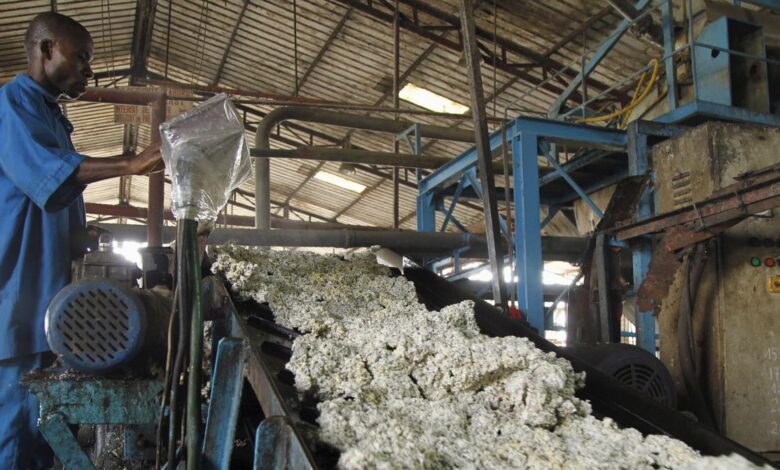
The text prohibits the export of all forms of untreated natural rubber, including raw latex, coagulated rubber, rubber scraps, bark residues, and other untreated products. However, it still allows the export of industrially treated products, such as technical-specification rubber, fumed sheets, crepe rubber, and concentrated latex.
The Presidency believes that exports of raw rubber have deprived Liberia of important opportunities for industrial development, job creation, and increased public revenue, and asserts that previous attempts at regulation have been undermined by abuses, justifying the strengthening of the system.

The decree stipulates severe penalties for violators, including confiscation of goods, fines of up to $100,000 for corporations and $50,000 for small producers for first offenses, and permanent revocation of export licenses for repeat offenders. Shipping companies and intermediaries involved in illicit exports also face prosecution.
The Ministry of Agriculture, the Ministry of Trade and Industry, the Ministry of Finance, the Liberian Tax Authority and the Rubber Development Fund share joint responsibility for ensuring the enforcement of this ban, with support from the Customs Service and Port Authorities.

The government also plans to adopt new regulations within 30 days aimed at improving access to the domestic market for producers, particularly in rural areas. It has also announced tax incentives, favorable financing, and infrastructure support to develop a domestic industry for manufacturing tires, gloves, shoes, and other finished rubber products.

The decree will remain in effect until it is repealed or amended by Parliament, and will be subject to an annual assessment of its impact on industrial development and the rubber sector in Liberia.