Namibia's nature reserves: Africa's best destinations, and their preservation is guaranteed by constitutional rights.
Ahmed Salem
Namibia's nature reserves are considered the number one sustainable tourism destination in Africa, surpassing South Africa, Tanzania, Kenya, Rwanda and Morocco, thus strengthening its position among the largest nature reserve destinations in Africa and the world.
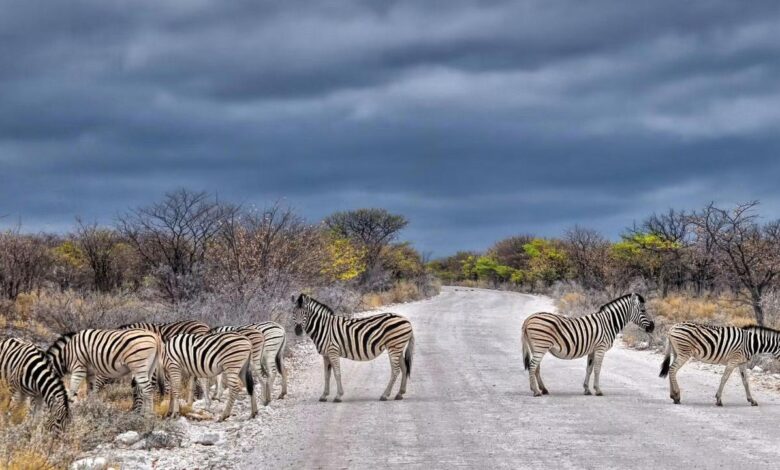
Nature reserves in Namibia occupy more than 40% of the country's land, making it the country with the largest area of reserves within national borders in the world.
The African nation has about 86 locally managed reserves within Namibia’s borders, where local Africans manage the wildlife themselves and own the profits.
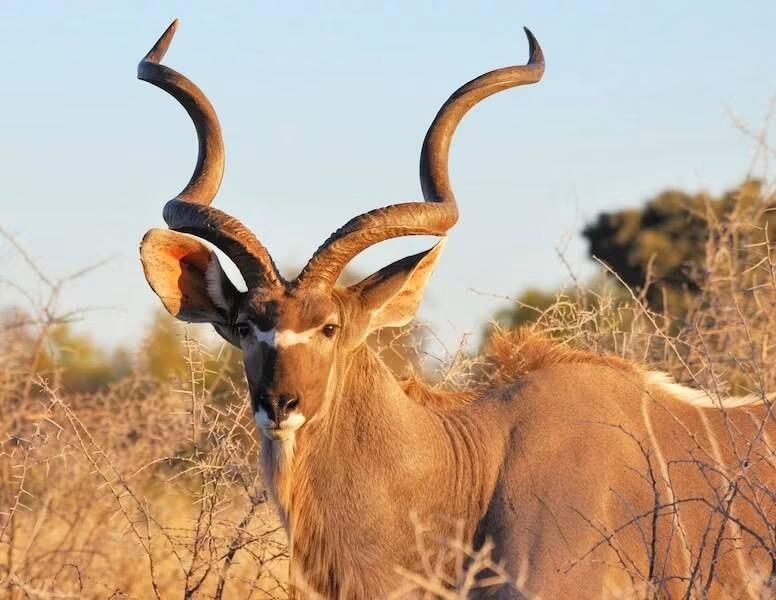
At the level of Namibia’s reserves, the number of elephants has tripled compared to what it was previously, not to mention the efforts made to save the rhinoceros from extinction.
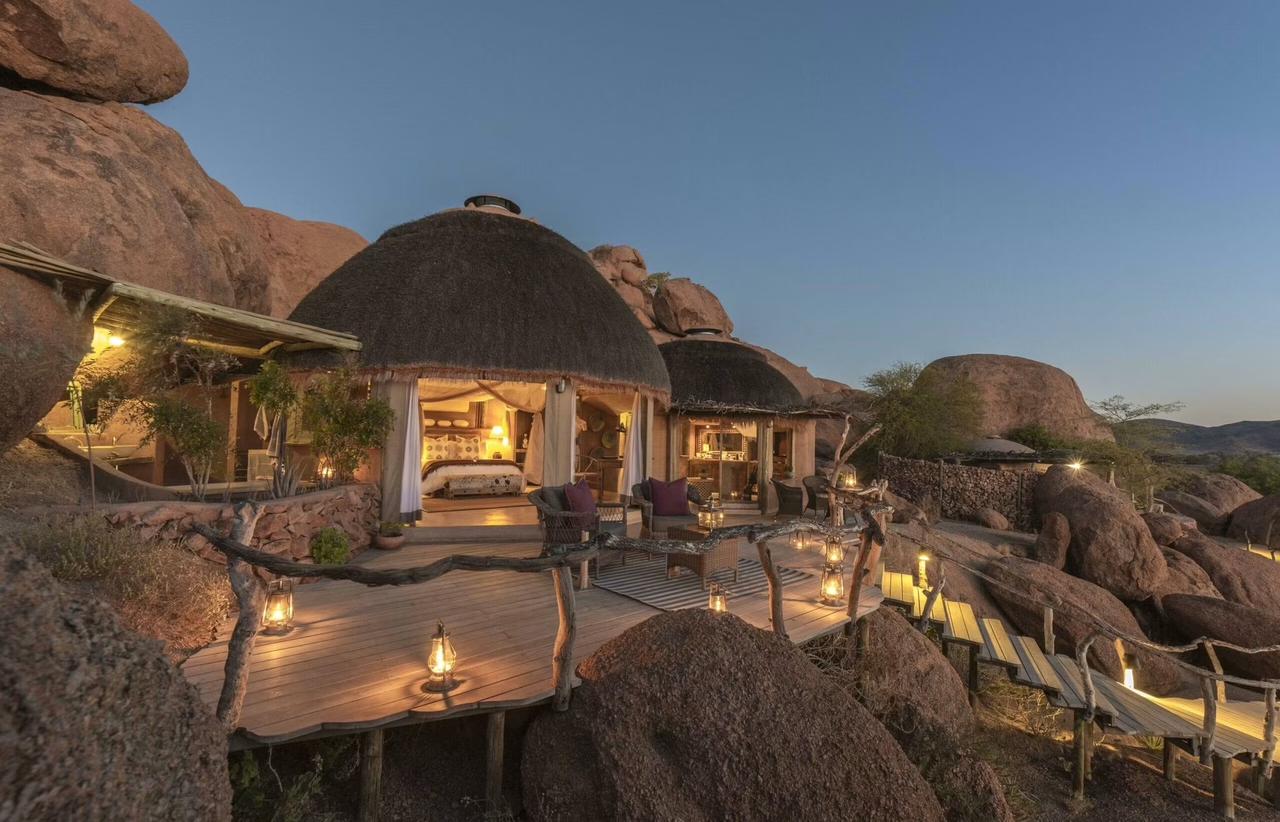
Namibia’s authorities are keen to protect the reserves, in accordance with the article included in the constitution since independence in 1990, as the entire coast is protected by law, an unprecedented achievement globally.
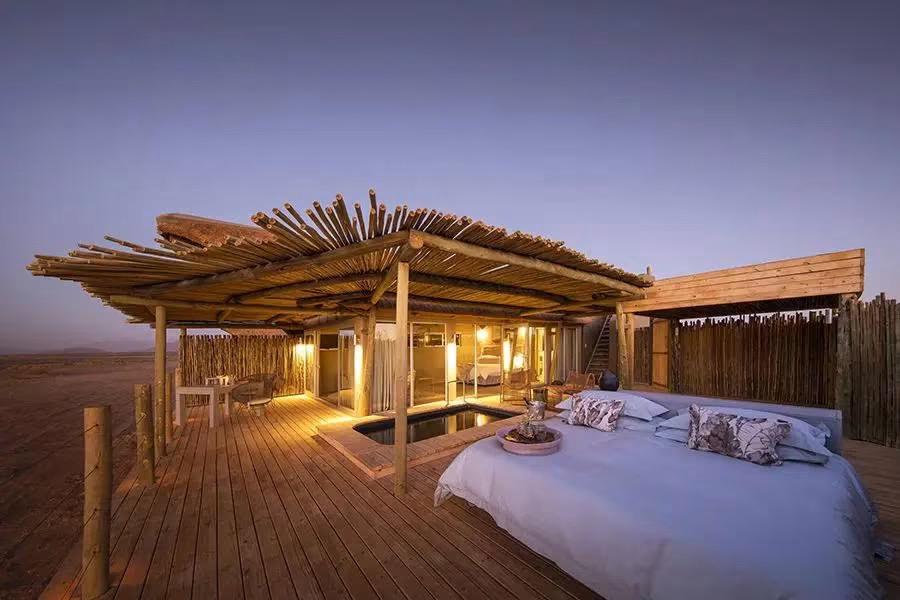
Hence, the Namibian people explain that their country did not acquire the principles of protecting nature reserves and preserving the environment from other countries, but rather exported these principles to Africa, which made it build an integrated model that the world today seeks to emulate.
Owners of nature reserves
Private landowners in Namibia play an important role in protecting wildlife, resulting in many outstanding examples of conservation initiatives on privately owned land.
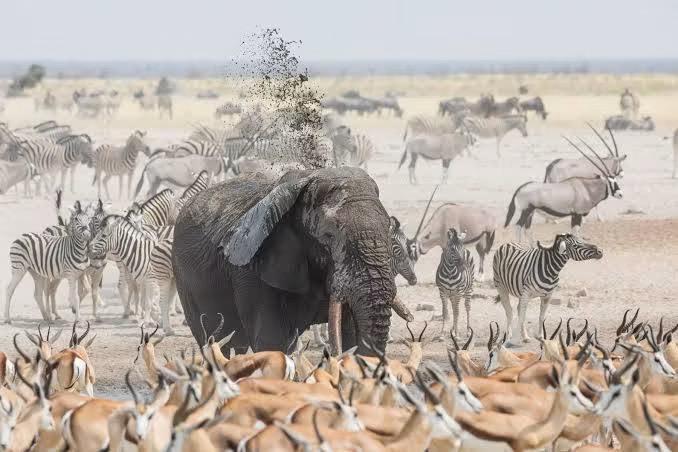
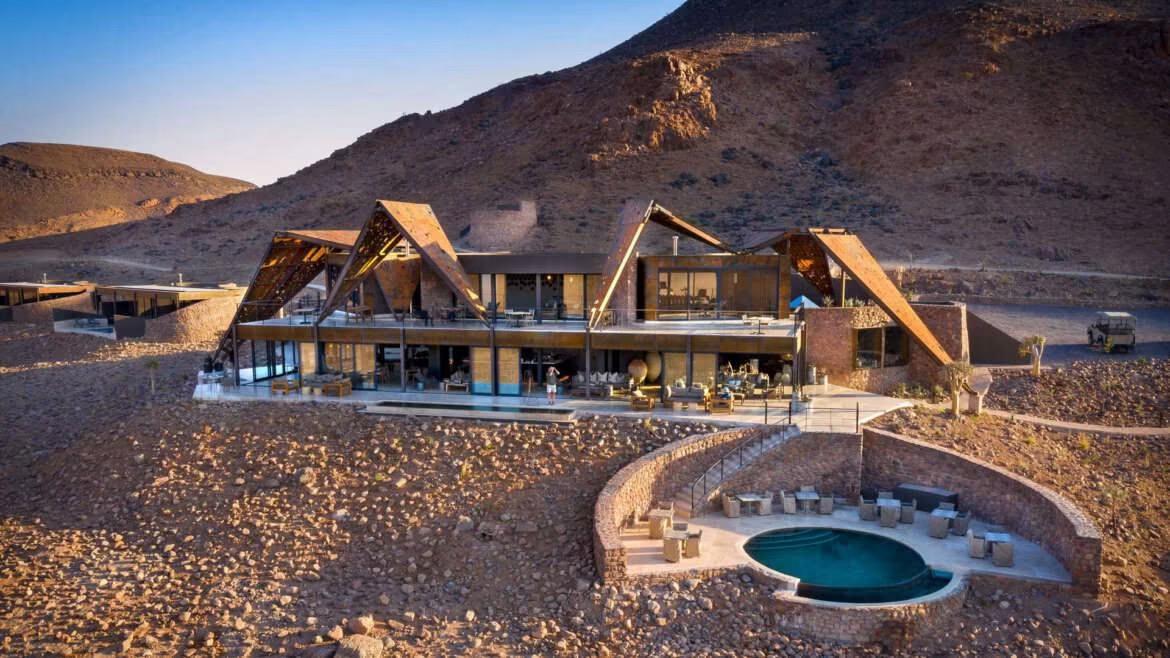
The largest of these initiatives is the Namib-Rand National Park, a vast area of over 180,000 hectares located south of Sessrem. Its founder and owner is Albie Bruckner.
In addition, many innkeepers have established private nature reserves on their land, with a focus on protecting certain types of wildlife.
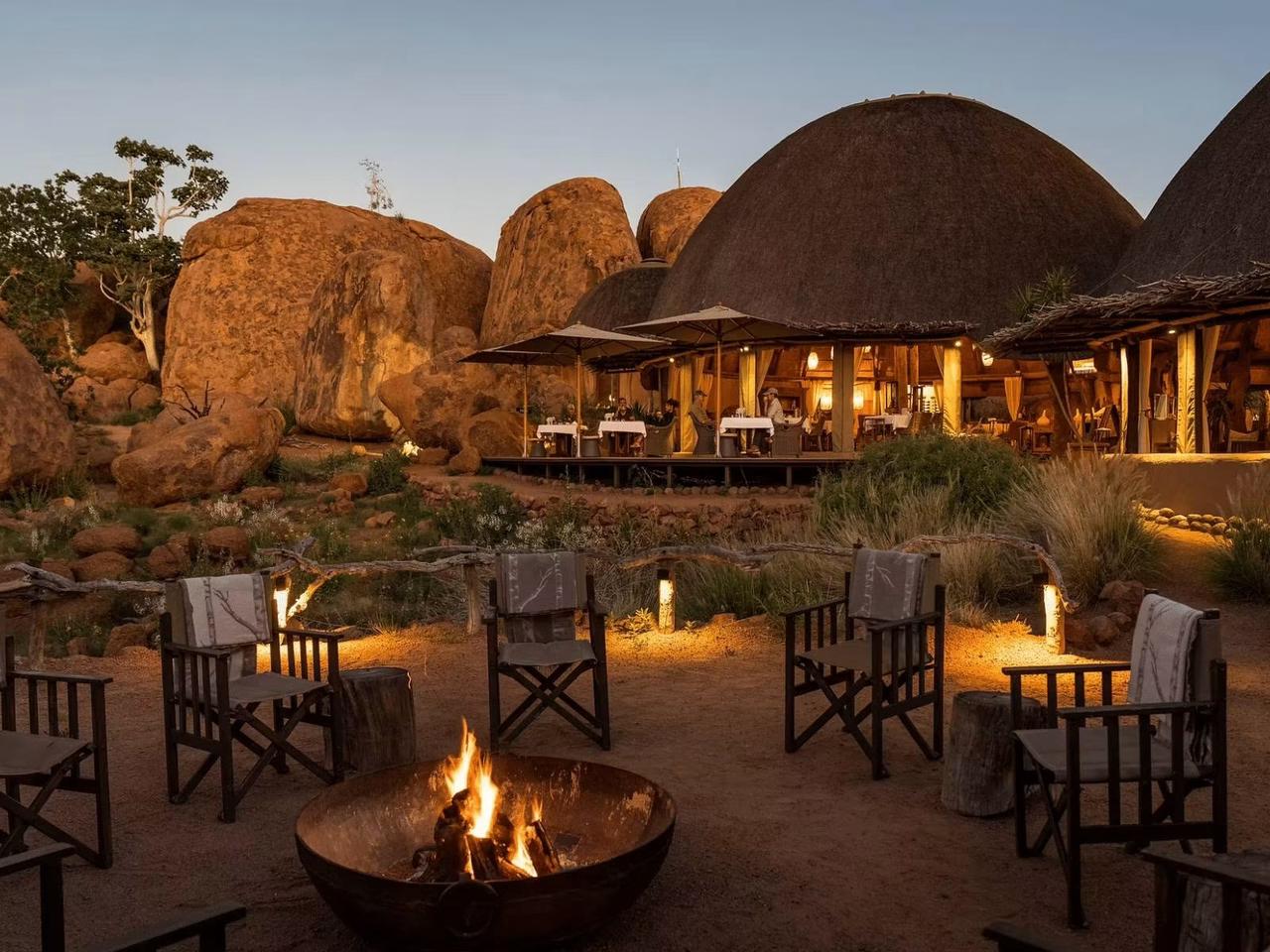
By the turn of the last century, habitat loss, disease, and commercial hunting had virtually wiped out wildlife on the continent. Protection laws were enacted far too late, especially for endangered species like the quagga, to name just one example.
At the same time, many animals were classified as pests, and rewards were offered to those who exterminated them.
Projects to preserve nature reserves
According to experts, for wildlife in Africa to reach the stage of recovery, officials must invest in its future by expanding the area of existing national parks and private reserves to include integrated natural systems.
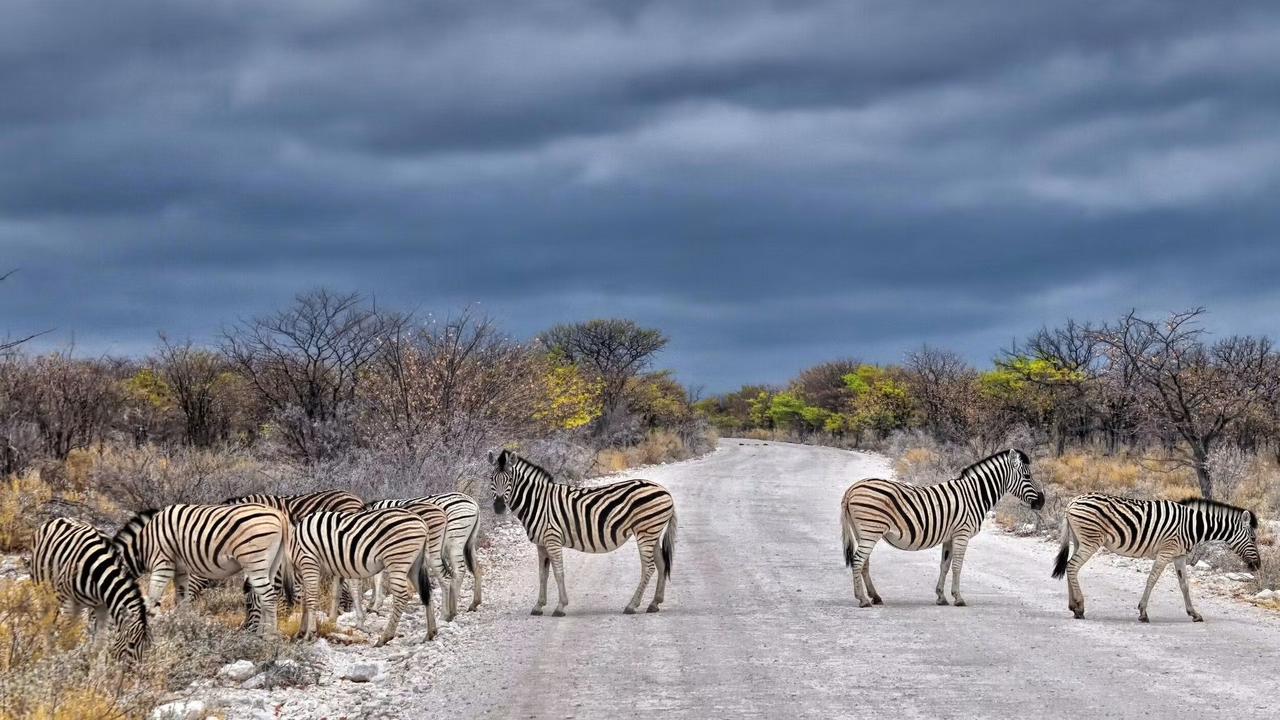
Private projects have already made great strides in this direction, and if this trend continues, migratory species will once again be able to move north, south, east, or west, following summer rainfall patterns and grazing.
This often conflicts, as it has in the past, with the demand for land for agricultural purposes, which is often unsuitable for farming due to poor soil and irregular rainfall.
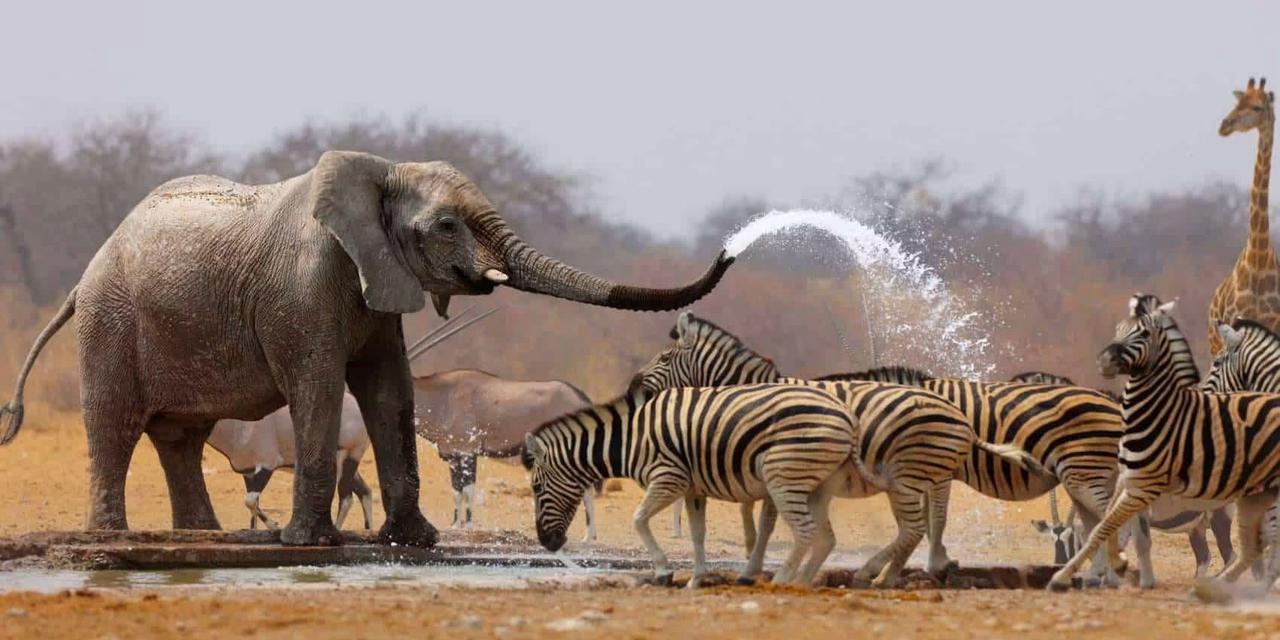
According to experts, the solution lies in recognizing that wilderness areas are capable of supporting a major industry that relies solely on natural resources, and that they can create jobs that benefit many. Economic growth is essential for environmental preservation in Africa.
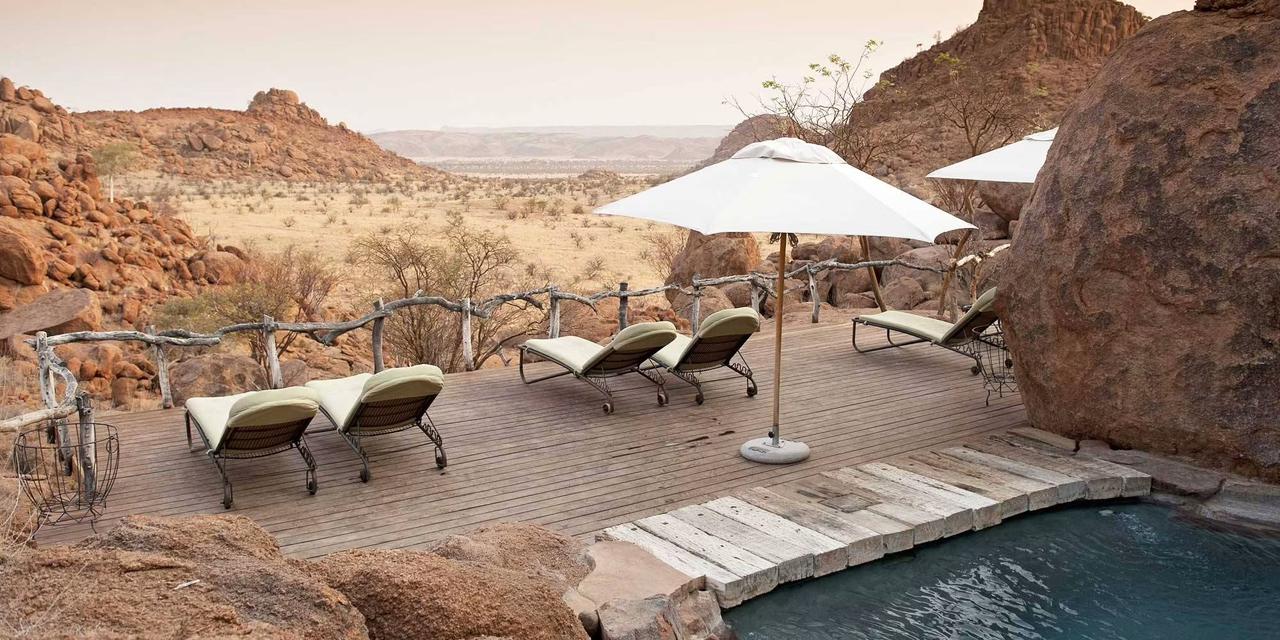
This new approach will not only remove the barriers imposed by man-made walls, but will also contribute to strengthening cooperation and development at both the regional and national levels. Nature is recovering rapidly.