Al-Burhan discusses with the Sultan of Oman the developments in the Sudanese crisis and Gulf security.
Official talks to enhance cooperation between Sudan and Oman
Written by Mohamed Ragab
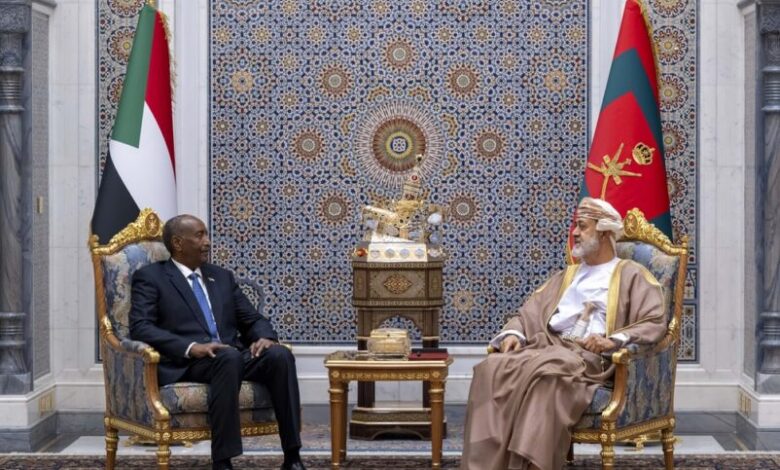
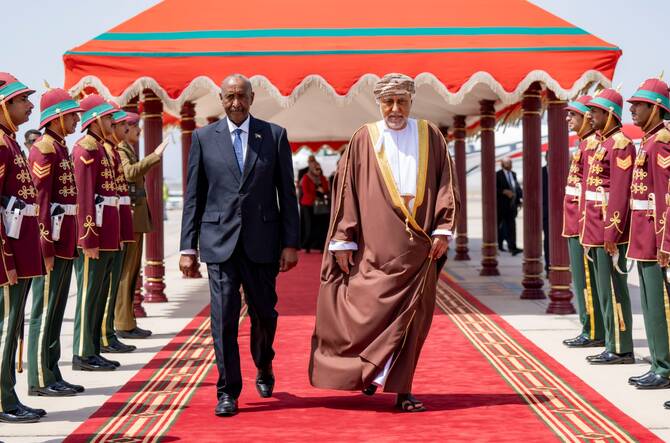
The Chairman of the Sovereignty Council conducted Sudan، Abdel Fattah al-BurhanOfficial talks with the Sultan Oman، Haitham bin TariqIn the capital MuscatThe meetings focused on developments in the regional situation and efforts to end the war in Sudan.
Gulf tour
The visit came Proof To Oman following a tour in Kingdom of Saudi ArabiaDuring which he met with the Crown Prince Mohammed bin SalmanThe two sides discussed regional stability and Red Sea security issues, as well as ways to strengthen bilateral relations between Khartoum and Riyadh.
The Sudanese Sovereign Council confirmed that the talks in Muscat addressed the fraternal relations between the two countries and ways to develop them in various fields, in a manner that serves common interests.
Al-Burhan also expressed his appreciation for the role played by the Sultanate of Oman in supporting peaceful solutions to the Sudanese crisis, through dialogue and the promotion of national unity.
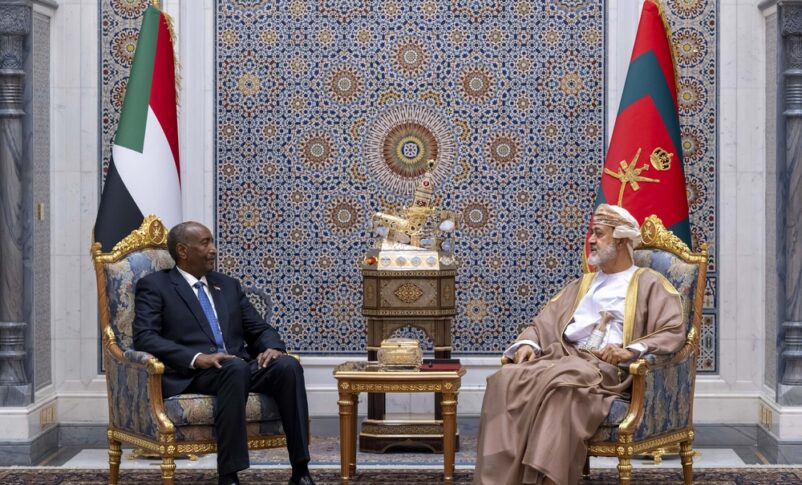
The talks addressed escalating regional tensions, with both sides emphasizing the importance of strengthening security and stability at the regional and international levels.
Al-Burhan also affirmed Sudan’s support for the security of the Gulf states, condemning the Iranian attacks that targeted vital facilities and civilian sites in a number of Gulf countries.
Omani welcome
For his part, Sultan Haitham bin Tariq welcomed Burhan's visit, praising the deep historical ties between the two nations and affirming his country's readiness to explore new avenues for bilateral cooperation. He also expressed his appreciation for Sudan's supportive stance on regional security and stability.
At the conclusion of the meeting, both sides agreed to continue coordination and consultation on various issues of common interest, in light of the current regional challenges, in a way that contributes to supporting stability and strengthening cooperation between the two countries.
The Sudanese-Omani relations are characterized as historical and strategic relations that are well-established, based on mutual respect and common interests since the early seventies.
Earlier, the Sudanese Sovereignty Council announced its strong condemnation of the Iranian attacks on Arab countries, emphasizing that they constitute a grave violation of the sovereignty of those countries. The Council also noted Iran's non-compliance with UN Security Council Resolution 2817 and stressed the importance of obligating Iran to provide full compensation for all damages and losses resulting from these attacks.