Mozambique celebrates its Independence Day: Fifty years of sovereignty and nation-building
June 25th... a pivotal day in the history of Mozambique
Written by Mohamed Ragab
Mozambique celebrates its National Independence Day on June 25th every year, the day the country gained its independence from Portugal in 1975 after a long struggle that lasted more than a decade.
This day represents a prominent national occasion during which Mozambicans commemorate the sacrifices of the leaders of the national movement and the fighters who contributed to ending colonial rule and declaring the establishment of the independent state.
Official and popular events are held throughout the country to mark the occasion, including the raising of the national flag, military parades, and cultural and artistic activities that reflect the national identity and cultural diversity of Mozambique.
A long struggle against Portuguese colonialism
The national liberation movement began in the 1960s, led by the Mozambique Liberation Front, known as Frelimo, which waged war against Portuguese colonialism since 1964.
With the political changes that Portugal witnessed in 1974, negotiations began between the Portuguese authorities and the liberation movement, culminating in the official declaration of Mozambique’s independence on June 25, 1975.
The late leader Samora Machel took over the leadership of the country as the first president of the republic, laying the foundations of the new state in a period marked by political and economic challenges.
Post-independence challenges
Despite achieving independence, Mozambique faced major challenges in the form of a long civil war that affected the economy, infrastructure and social development.
The armed conflict ended with the signing of the peace agreement in 1992, and the country began a new phase of reconstruction, strengthening political stability and economic development.
Over the past decades, Mozambique has made progress in the areas of infrastructure, education and health, along with the development of the energy, natural gas and agriculture sectors.
Symbolism of the national flag
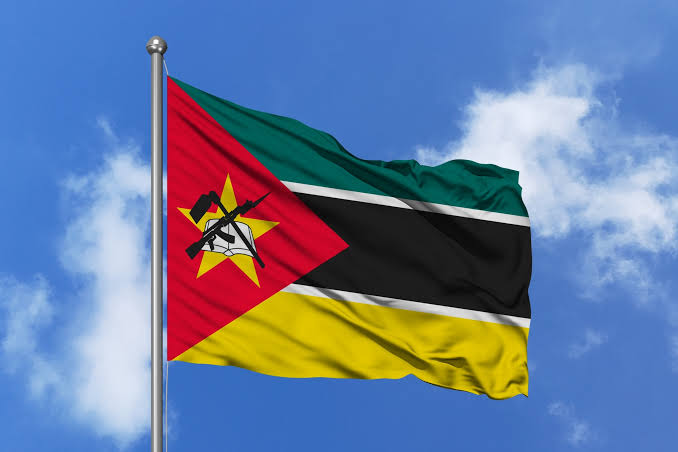
The flag of Mozambique carries historical and political connotations reflecting the national liberation struggle. The green color symbolizes the land and agriculture, while the black represents the African continent, and the yellow symbolizes natural resources.
The red triangle represents the struggle for independence, while the yellow star embodies international solidarity. The appearance of the book, the rifle, and the pickaxe on the flag is one of its most prominent features, as these elements symbolize education, defense, work, and production.
The flag of Mozambique is considered the only one in the world that includes an image of a modern rifle among its national symbols.
An occasion to promote national unity
Independence Day provides an opportunity to renew commitment to national unity and promote the values of peace and development. Authorities also use this occasion to highlight national achievements and emphasize the importance of addressing economic and social challenges.
On the 50th anniversary of independence, Mozambicans recall a long journey of struggle and challenges, while looking forward to a more stable and prosperous future.