The Rwandan president's visit to Tanzania embodies the spirit of African unity and strengthens cooperation.
Rwanda and Tanzania are a model of partnership based on shared history and mutual interests.
Written by: Mohamed Ragab
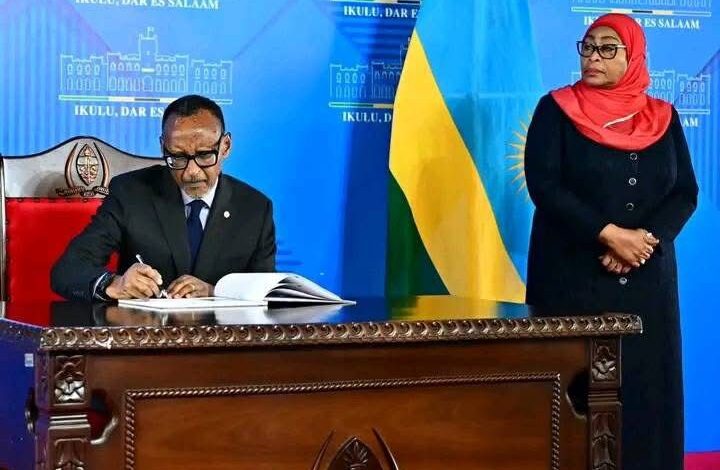
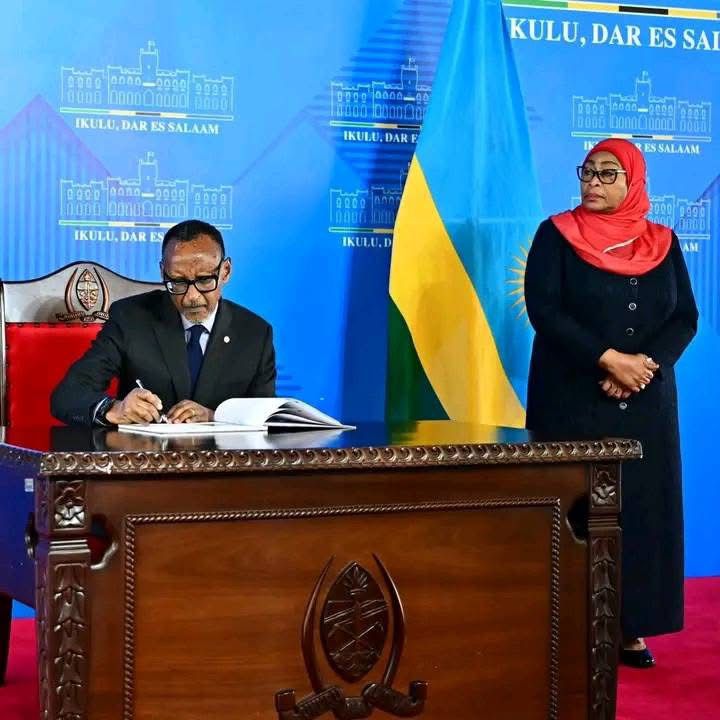
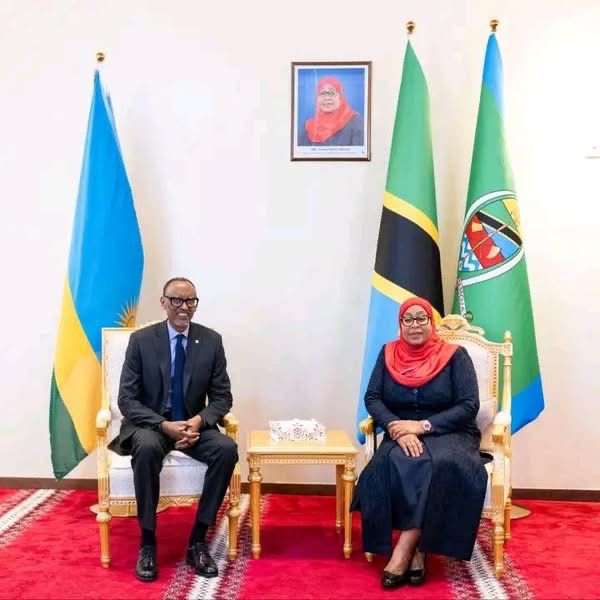
Renewed Invitations To strengthen African unity with the visit of President Paul Kagame RwandanTo Tanzania, in a move that reflects the depth of bilateral relations between the two countries, and underscores the importance of regional cooperation in supporting stability and development within the continent.
Rwanda and Tanzania share close historical ties that transcend geographical boundaries, as they are united by a common cultural and commercial heritage, along with growing social ties, especially through the vital Rusumu crossing, which represents an important economic artery between the two countries.

political message
Kagame’s visit carries important political and economic implications, namely that the recovery and success of any African country has a positive impact on its neighbors, and that the growth of national economies contributes to pushing the entire region towards greater prosperity.
Observers believe that the relationship between Rwanda and Tanzania represents a practical model for how to transform geographical proximity into a strategic partnership based on common interests and mutual respect.
Trade, security and infrastructure files
The visit is expected to focus on issues of promoting intra-regional trade, developing infrastructure, expanding transport networks, and security cooperation between the two countries, which will contribute to facilitating the movement of people and goods and supporting economic integration in East Africa.
Road, port and logistics projects also represent key elements of the bilateral partnership, given that Rwanda, a landlocked country, relies on Tanzanian ports for its foreign trade.
Wise leadership is the cornerstone of development.
The visit also highlights the importance of political leadership in turning aspirations into tangible achievements, as Rwanda has succeeded in recent years in achieving a remarkable developmental leap, while Tanzania continues to implement economic and developmental policies aimed at promoting growth and stability.
Analysts emphasize that the African continent needs leaders capable of establishing justice, prioritizing unity over division, and working for the future instead of being preoccupied with past conflicts.
Africa is betting on cooperation, not conflict.
The experience of Rwanda and Tanzania demonstrates that regional cooperation is more likely to yield gains than conflicts and disputes, and that a shared destiny among African nations can be a strong foundation for building a more prosperous future for the people of the continent.