How is Burkina Faso seeking to achieve sovereignty in the energy sector?
New power plants in Burkina Faso: A strong boost for industry and economic development

Written by: Badr Ahmed
Burkina Faso continues to implement its plans to achieve self-sufficiency in the energy sector, through the launch of new projects aimed at increasing electricity production capacity and enhancing energy security, within the framework of the government’s vision to support economic and industrial development and reduce dependence on external supply sources.
In this context, the government is preparing to inaugurate a new 50-megawatt power plant tomorrow, Tuesday, July 21, 2026, a move that represents a significant boost to the national electricity grid. Prime Minister Rimetalba Jean Emmanuel Ouédraogo is scheduled to preside over the inauguration ceremony for the project, which is expected to improve electricity production and meet the growing demand from industrial sectors and citizens.
New power stations in Burkina Faso
In conjunction with the station's opening, the Prime Minister will lay the foundation stone for the Ouagadougou Southeastern Thermal Power Plant, with a production capacity of 120 megawatts, in a project that reflects the government's orientation towards expanding the energy infrastructure and strengthening the country's production capacities in the coming years.
These projects are part of a national strategy led by the authorities of Burkina Faso, headed by Ibrahim Traoré, which prioritizes achieving energy sovereignty as a key component for supporting the national economy and achieving sustainable development.
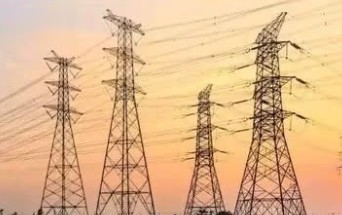
The government believes that providing a stable electricity supply is a key pillar for driving industrialization, which is in line with the goals of the National Development Plan 2026-2030, which considers the industrial sector a key driver of economic transformation and increased domestic production.
The operation of the two stations is expected to have a positive impact on various sectors, as the increase in production capacity will contribute to improving the efficiency of factories and reducing power outages, which will enhance the competitiveness of national industries, in addition to providing more stable electricity services to households, which will improve the quality of life and support daily economic activities.
The government also seeks to distribute energy production projects across different regions of the country, ensuring balanced development and providing the necessary infrastructure to attract investments and create new job opportunities, especially in areas suffering from a lack of electricity services.
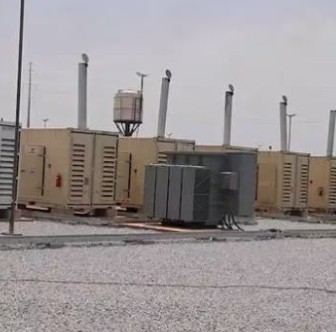
Observers confirm that the opening of the 50-megawatt station, along with the launch of the 120-megawatt station project, represents an important step in the path of strengthening Burkina Faso’s independence in the energy sector, and reducing its dependence on external supplies that are sometimes affected by geopolitical fluctuations and the constraints of regional interconnection networks.
These projects reflect the authorities' orientation towards building a more sustainable energy system, capable of meeting the needs of the national economy and keeping pace with industrialization plans, thus supporting the country's efforts to achieve economic growth and enhance its sovereignty over strategic sectors.