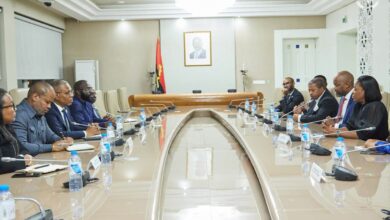
Wealth beyond borders: Mali calls upon the expertise of its citizens to build the economy
Remittances from expatriate communities are on the table for economic development.

Written by: Badr Ahmed
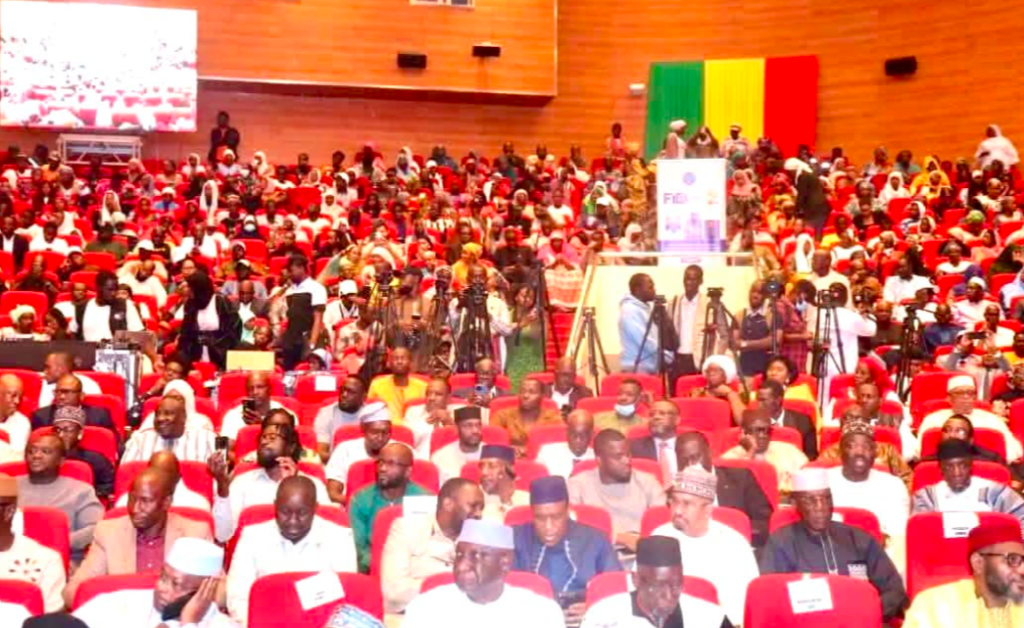
The events kicked off on Thursday in the Malian capital, Bamako. Second session From the International Forum of Expatriates 2026, under the theme "Financial Expatriates and Productive Investments: Building a Strong Financial Economy for Sustainable Development," with the participation of government officials, experts and representatives of the Malian community abroad.
The three-day forum aims to enhance the role of expatriate financial support for the national economy, transforming their contributions from mere remittances to families into productive investments that contribute to manufacturing, entrepreneurship, and sustainable development.
The opening ceremony was attended by the Malian Prime Minister, General Abdoulaye Maiga, representing the head of the transitional phase, General Assimi Goïta, along with a number of officials, in an official confirmation of the important role that Malian communities spread around the world can play in the path of reconstruction and economic development.
In his speech, the Prime Minister stressed that the contributions of expatriates have for years been an important element in supporting the financial economy and assisting families, but he called for a move towards a new phase based on directing these resources towards investment in productive sectors, technology transfer, promoting innovation and establishing projects with added economic value.
The expertise and financial resources of expatriate communities are on the table for economic development.
Through the forum, the Malian government seeks to redefine the role of expatriates as economic partners with extensive experience, international networks, and investment capabilities that can be employed in strategic sectors, including agriculture, renewable energy, technology, and manufacturing.
The forum's program includes panel discussions with national and international experts to examine the investment environment, administrative procedures, tax systems, and facilitating the participation of expatriates in economic projects within the country.
The forum also includes bilateral meetings between businessmen, expatriate investors and local financial institutions, with the aim of connecting project owners with banks, funding bodies and investment support agencies.
Observers believe that the success of the initiative depends on the ability of the financial authorities to provide a stable investment environment and legal and administrative guarantees that encourage expatriates to make long-term investments.
The forum concludes its work on July 18, amid expectations that its recommendations will contribute to developing a practical vision for enhancing the participation of overseas financiers in building a more diversified and sustainable economy.