Rising tensions against illegal immigrants are causing concern in South Africa.
illegal immigrants in South Africa
Written by: Ayman Ragab
South Africa is witnessing escalating tensions related to illegal immigration, amid warnings from human rights and community organizations that unrest could worsen if the crisis is not contained quickly.
These developments come after a wave of protests and clashes targeting foreign nationals, particularly in Durban, where anti-illegal immigration groups reportedly gave undocumented migrants until June 30 to leave the country.
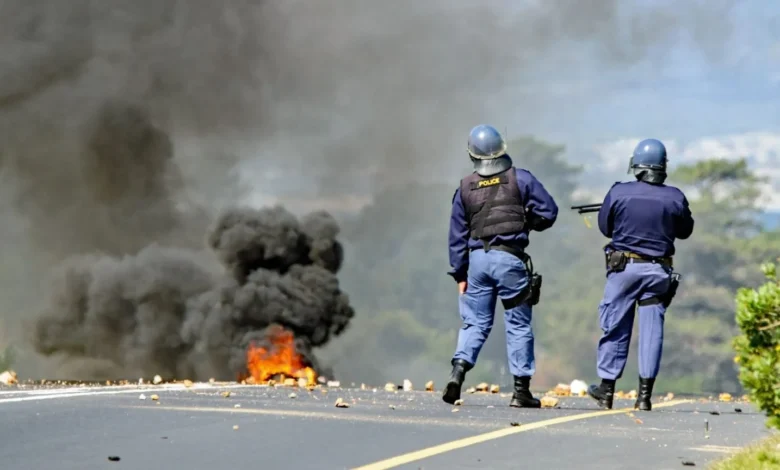
Clashes with police
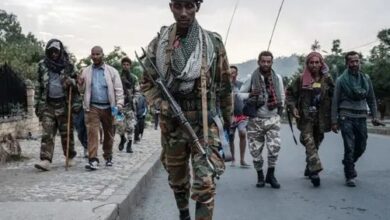
In Durban, hundreds of refugees and foreigners were forced to spend several nights outside the Diakonia center after clashes with police near the central police station, confirming that they had left their homes for fear of escalating protests in the neighborhoods where they live.

Jean Potoke, from the South African Refugee Organisations Forum, said the humanitarian situation had become “extremely difficult,” explaining that many were sleeping in the open without blankets or aid.
New escalation
According to reports, the number of people gathered outside the Home Affairs Department's refugee reception center in Durban has risen to more than 400, with growing fears of a new escalation as the end of June approaches.
In contrast, anti-immigration groups defended their positions, stressing the need for immigrants to abide by South African laws, while denying accusations of intimidating foreigners or forcing them to leave their homes.
Tensions have spread to other areas, including the city of Quincy, where protests have targeted stores believed to be foreign-owned.
Rising unemployment rates
Experts believe that rising unemployment rates, poor services, and economic crises are pushing some citizens to blame immigrants for internal problems, instead of directing criticism at government institutions.
For its part, the Human Rights Centre at the University of Pretoria expressed concern about the escalating violence and intimidation against refugees and asylum seekers, warning that these practices threaten the values of the South African constitution and the country’s human rights obligations.
acts of violence
The center stressed that immigration issues must be addressed through official institutions and within the framework of the law, emphasizing that any acts of violence or illegal popular movements will lead to further tension and instability.
In an attempt to contain the crisis, South Africa’s government security coalition has begun urgent discussions on illegal immigration protests and growing social tensions, while considering a national action plan to address immigration and promote social cohesion.