150,000 displaced people in Damazin, Sudan... those who didn't die in the war died of hunger
Displaced people in Damazin, Sudan, are living in difficult conditions.
Written by: Ayman Ragab
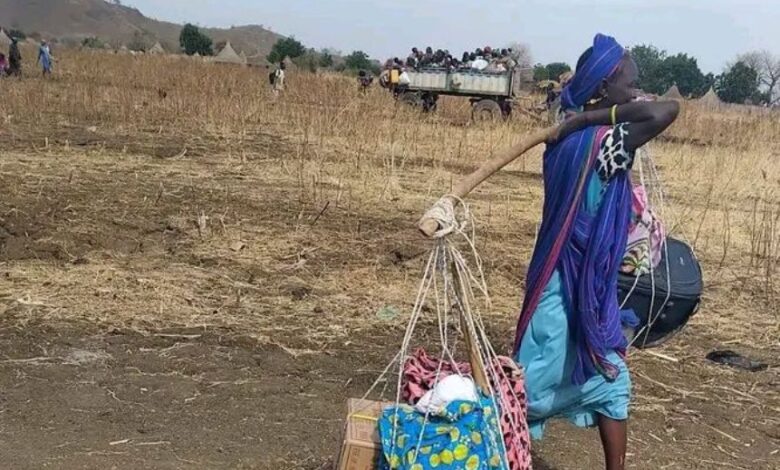
Thousands of displaced people in the city of Damazin in Sudan’s Blue Nile region are facing extremely difficult humanitarian conditions as a result of the ongoing fighting between the Sudanese army and the Rapid Support Forces for more than two years.
The city of Damazin has received more than 50,000 new displaced people recently, bringing the total number of those who have fled to it to about 150,000 displaced people, who are living in camps suffering from a severe shortage of aid and humanitarian supplies.
Karama Camp 10
The situation inside Damazin reflects the scale of the worsening humanitarian crisis, as the shelter camps, which extend from “Al Karama Camp 1” to “Al Karama Camp 10”, house more than 150,000 people who fled from the Kurmuk areas and their surroundings due to military operations and the Rapid Support Forces’ incursion into those areas.
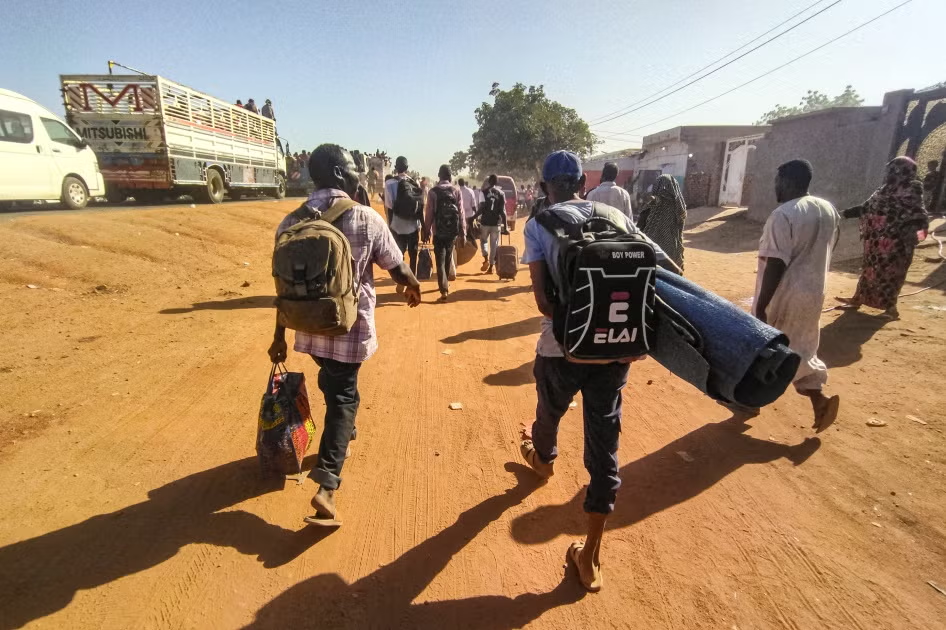
According to reports from inside the camps, the conditions of the displaced are extremely harsh, with a severe shortage of drinking water, along with increasing complaints about the inadequacy of the aid provided by humanitarian organizations compared to the growing needs and the continued influx of displaced people from conflict zones.
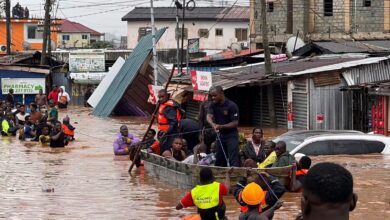
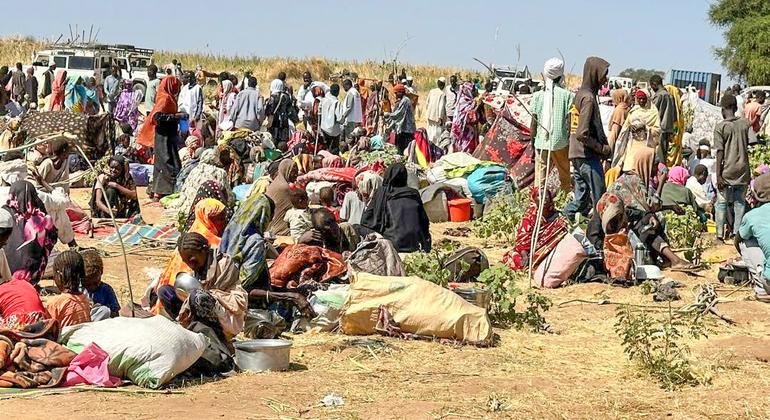
The heavy rains that the Blue Nile State has witnessed in recent days have also increased the suffering of the displaced, as the tents made of straw and tarpaulins are no longer able to provide the necessary protection from the rain, putting women, children and the elderly in extremely difficult conditions.
The camps appear overcrowded and sprawling, with tents spread across wide areas, amid an urgent need for immediate interventions to provide shelter and protection from harsh climatic conditions.
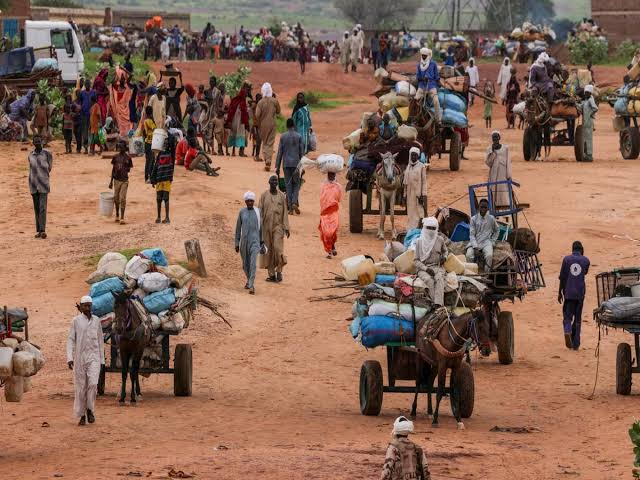
The rains worsened the situation.
Babiker Al-Sheikh Yaqoub, an official at Al-Karama 6 camp, said that the housing conditions were difficult from the beginning, noting that the recent rains damaged a number of tents, while many displaced people were forced to stay in the open during the rainfall, which doubled their suffering.
He added that humanitarian organizations have provided some forms of support, with about 1,000 tents being distributed in the first phase, in addition to other assistance from various organizations that included hundreds of units of shelter materials, but the scale of the needs still far exceeds what is available.
On the health front, he explained that some medical personnel are present inside the camps, but the available resources are limited, noting that there are difficulties in treating chronic diseases and performing surgical operations, which forces patients to go to the city of Damazin at their own expense due to the limited medical services inside the camps.
Additional pressures
He stressed that the continued arrival of displaced people is putting additional pressure on basic services, including food, shelter and health care.
On the ground, the security situation in the Blue Nile region remains tense, with military operations continuing in the areas adjacent to Kurmuk and Geisan, and Sudanese army forces stationed in the Al-Baraka area, while the Rapid Support Forces continue to control strategic areas around Kurmuk, amid ongoing military operations aimed at regaining control of those areas.