Written by: Mohammed Omran
لا تقتصر شهرة كرة القدم في تنزانيا على المنافسة المحلية فحسب، بل أصبحت واحدة من أبرز القوى الصاعدة في شرق إفريقيا، بفضل أندية عريقة صنعت تاريخًا حافلًا بالبطولات والحضور الجماهيري.
ويقف على رأس هذه الأندية سيمبا ويانج أفريكانز، اللذان يخوضان واحدًا من أقوى الديربيات في القارة، بينما يواصل أزام وأندية أخرى تعزيز مكانة الدوري التنزاني على الساحة الإفريقية، ليصبح وجهة واعدة للمواهب والمنافسات الكروية.
سيمبا.. عملاق الكرة التنزانية
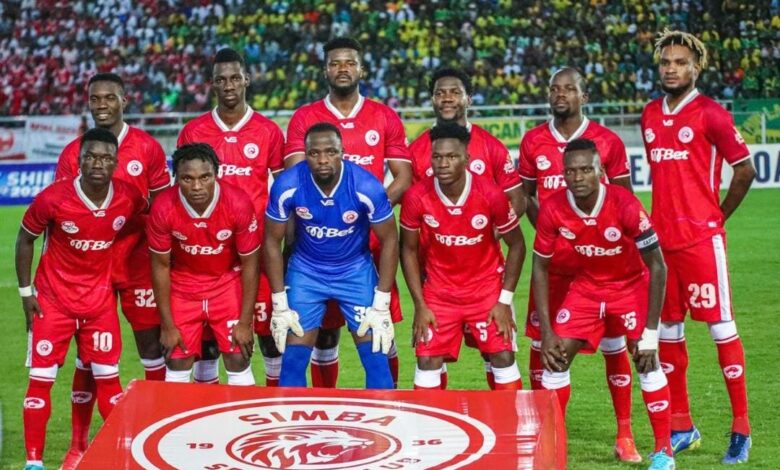
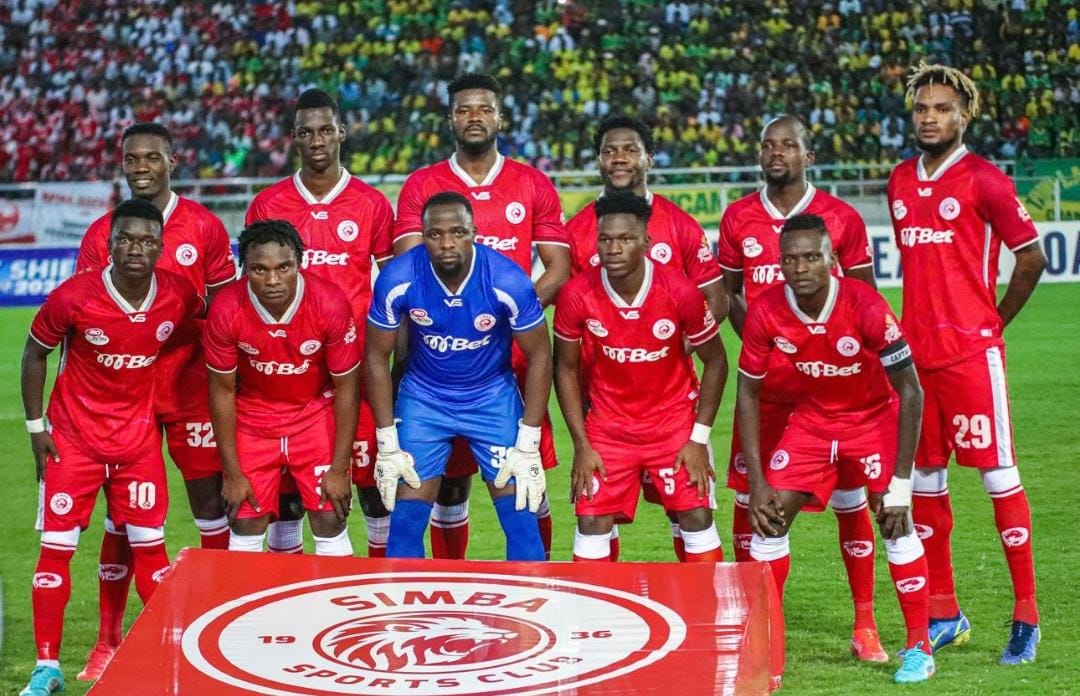
يعد Simba Sports Club أحد أكبر الأندية في تنزانيا، تأسس عام 1936 في مدينة دار السلام، وكان يُعرف في بداياته باسم “Sunderland” قبل أن يتغير اسمه إلى “Simba” عام 1971 ويخوض مبارياته على ملعب بنيامين مكابا الذي يتسع لنحو 60 ألف متفرج.
حقق سيمبا أكثر من 20 لقبًا في الدوري التنزاني، ويعد من أكثر الأندية مشاركة في دوري أبطال إفريقيا، ووصل إلى الدور ربع النهائي أكثر من مرة خلال السنوات الأخيرة، ما عزز مكانته بين أبرز أندية القارة.
يانج أفريكانز.. النادي الأكثر تتويجًا
يعتبر Young Africans S.C.، المعروف باسم “يانجا”، أقدم وأشهر أندية تنزانيا، تأسس عام 1935 ويتخذ من دار السلام مقرًا له.
يعد النادي الأكثر تتويجًا بلقب الدوري التنزاني، كما أصبح أول فريق تنزاني يبلغ نهائي كأس الكونفدرالية الإفريقية عام 2023، ويملك واحدة من أكبر القواعد الجماهيرية في شرق إفريقيا.
ديربي كارياكو
المواجهة بين سيمبا ويانج أفريكانز تعرف باسم “ديربي كارياكو”، نسبة إلى الحي الذي نشأ فيه الناديان بمدينة دار السلام، وتعد من أشهر مباريات كرة القدم في إفريقيا من حيث الحضور الجماهيري والأجواء التنافسية.
أزام.. المنافس الثالث
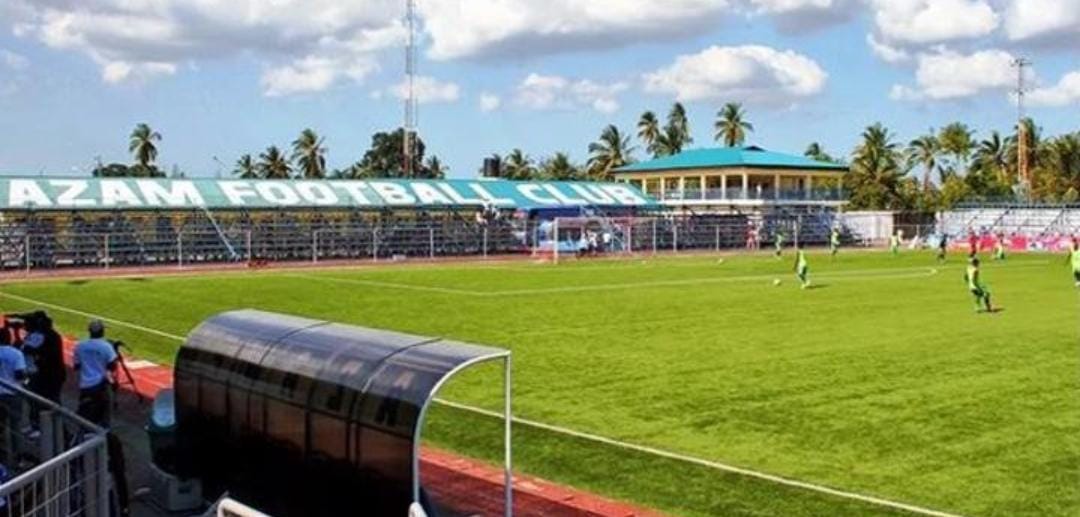
يعد Azam F.C. من أبرز الأندية الحديثة في البلاد. تأسس في العقد الأول من الألفية الحالية، ويتبع مجموعة باخريسا الاقتصادية.
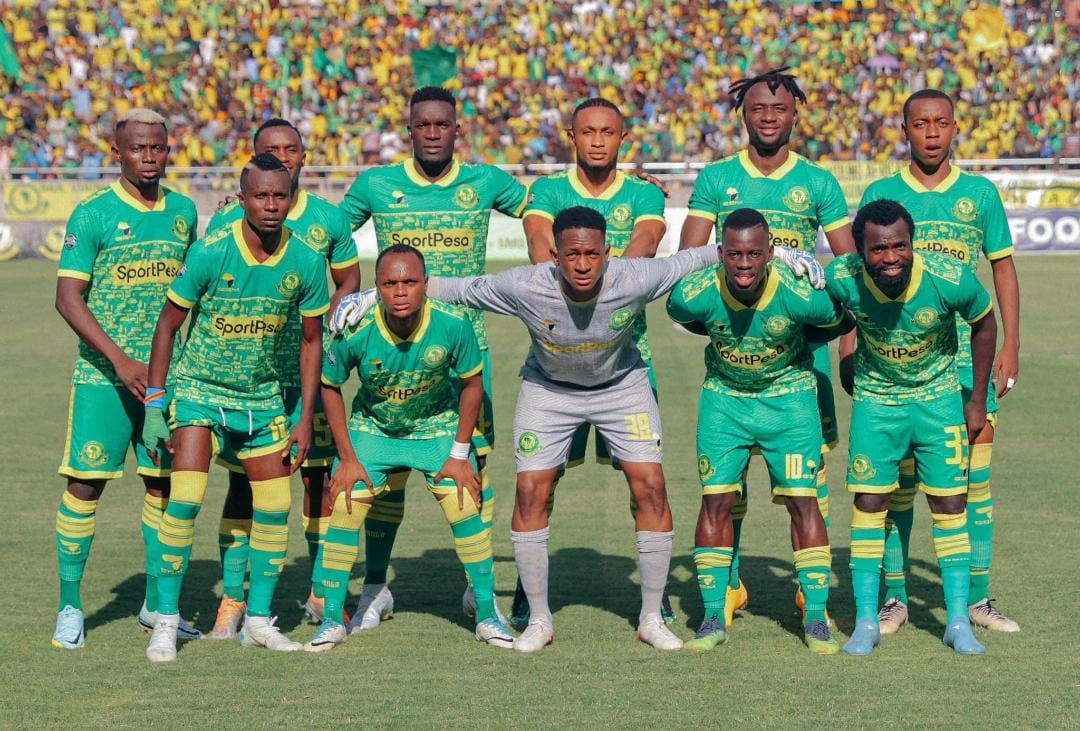
نجح أزام في الفوز بلقب الدوري التنزاني مرة واحدة، ويشتهر بامتلاك أكاديمية ومنشآت تدريب متطورة، كما ينافس باستمرار على المراكز الأولى ويشارك في البطولات القارية.
إلى جانب الثلاثي الكبير، يضم الدوري التنزاني أندية بارزة مثل Coastal Union وSingida Black Stars وTabora United، وهي فرق تسعى إلى منافسة الكبار والمشاركة في البطولات الإفريقية، ما يزيد من قوة الدوري ومستواه الفني.