More than just a meal... How do the tables of African tribes reveal the secrets of culture and identity?
An essential part of cultural identity
Written by Omnia Hassan
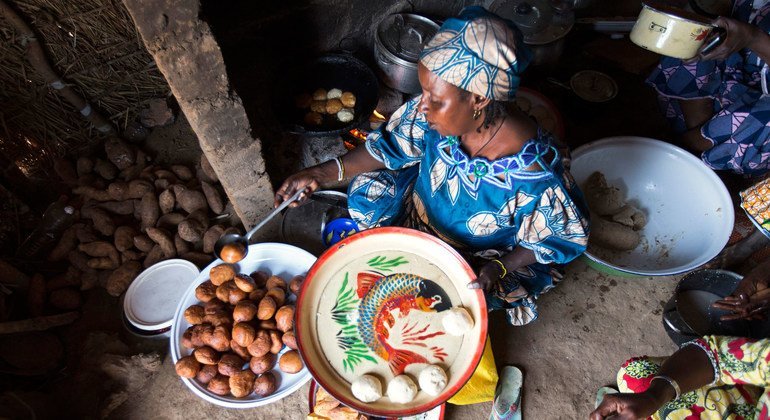
In Africa, food is not only seen as a means to satisfy hunger, but is also an essential part of cultural identity and social bonds.
Between the deserts, forests, and sprawling plains, African tribes have developed special customs and rituals for eating, reflecting the values of sharing, respect, and solidarity that characterize local communities. Through these rituals, daily meals are transformed into social occasions that carry meanings that go beyond the confines of the table.
Food as a means of strengthening social bonds
In many African tribes, meals are served in large communal dishes around which members of the family or community sit, and eating together is seen as a symbol of unity and solidarity, with everyone sharing the same food without discrimination.
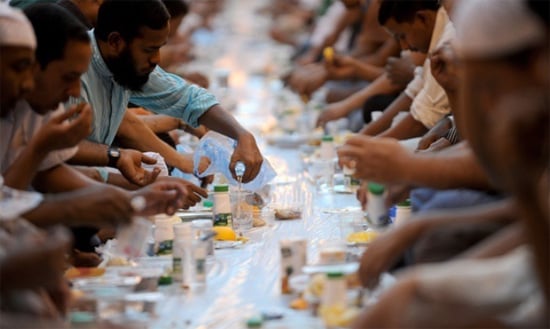
This custom is widespread in many communities in Ethiopia, Kenya and Senegal, where sharing food is a part of both daily life and social occasions.
The right hand and rules of respect
In a number of traditional societies, eating with the right hand is preferred as a symbol of cleanliness and respect. There are also unwritten rules that regulate seating arrangements and eating priority, with elders or guests usually starting before others.
These practices reflect the importance of mutual respect within tribal societies, where the table is an opportunity to reinforce social values and teach new generations manners.
Foods that carry stories and heritage
Some traditional dishes are associated with specific occasions such as weddings, births, and harvests. In Nigeria and Ghana, some meals are part of major celebrations, while tribes maintain recipes passed down through generations for centuries.
The ingredients of these foods reflect the local environment, as they rely on grains, corn, millet, vegetables and meats available in each region.
Hospitality before the meal
Hospitality holds a special place in African culture, where welcoming a guest and offering him food is considered a social and moral duty, and in many villages, a visitor is not allowed to leave the place before sharing a traditional meal or drink.
Living heritage on the table
Despite the changes brought about by modern life, African tribes still adhere to their food customs and rituals related to food.
Traditional tables remain a living testament to the diversity of the continent's cultures, and evidence that food in Africa is not just a meal, but a social language that preserves heritage and strengthens belonging among members of society.