A fortune burning in the sky: 3 African countries among the world's biggest gas wasters
Economic losses and wasted opportunities
Written by Omnia Hassan
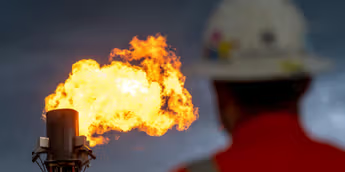
The latest report issued by the World Bank revealed that Nigeria, Libya and Algeria continue to top the list of the largest African countries in flaring associated gas from oil production, becoming one of only nine countries responsible for about 83% of the total gas flaring globally during 2025, which highlights the major challenges facing the continent in exploiting its natural resources and converting them into energy and development opportunities.
Economic losses and wasted opportunities
According to the report, the value of gas burned globally during 2025 amounted to about $54 billion, a resource that could have been invested in electricity generation, fertilizer and petrochemical production, supporting clean cooking, and boosting export revenues.
The World Bank believes that the continuation of this phenomenon not only represents an environmental crisis, but also reveals huge economic losses and wasted development opportunities.
Ongoing challenges despite huge reserves
Despite having large oil and gas reserves, Nigeria, Libya and Algeria still face difficulties in collecting, processing and transporting associated gas for local use or export.
The report noted that Nigeria, despite implementing programs and legislation to reduce gas flaring, remains among the world's largest countries in this practice, at a time when the country is suffering from electricity shortages and high demand for gas.
Algeria records an increase in gas flaring
The World Bank explained that gas flaring intensity remained almost stable in Nigeria and Libya during 2025, while Algeria recorded an increase of 3%.
The flaring intensity rate is a key indicator of a country's efficiency in utilizing associated gas produced with oil instead of disposing of it by flaring.
Warning before 2030
The report confirmed that countries that joined the “Zero Routine Burning by 2030” initiative achieved better results compared to others, but the gap continues to widen as the target date approaches.
The World Bank stressed that developing infrastructure and stimulating investment in the gas sector are key to transforming these resources into a source of energy and economic growth, instead of continuing to burn them into the air.