Will Guinea's ban on gold exports achieve its economic goals?
A step to boost local manufacturing and increase mining returns
Written by: Mohammed Omran
Guinea is entering a new economic phase with its announcement of an export ban. raw goldAs part of a policy aimed at maximizing national revenues from natural resources, and transforming the mining sector from a mere source of raw materials into a value-added industry within the country.
Will Guinea's ban on gold exports achieve its economic goals?
The Republic of Guinea has announced a ban on the export of raw gold, in a move aimed at increasing local processing operations and maximizing returns from this strategic natural resource.

President Mamadi Doumbouya said that the people of Guinea deserve to see their wealth contribute to their development, stressing that the decision comes within a broader plan to restructure the mining sector and enhance its contribution to the national economy.
A step to boost local manufacturing and increase mining returns
Through this approach, the government seeks to increase the added value of gold production instead of exporting it as raw material, especially with the imminent opening of the first gold refinery in the country, as the Nimba refinery is nearing completion near the capital, Conakry, with a production capacity estimated at about 250 tons per year.
Guinea bans gold exports
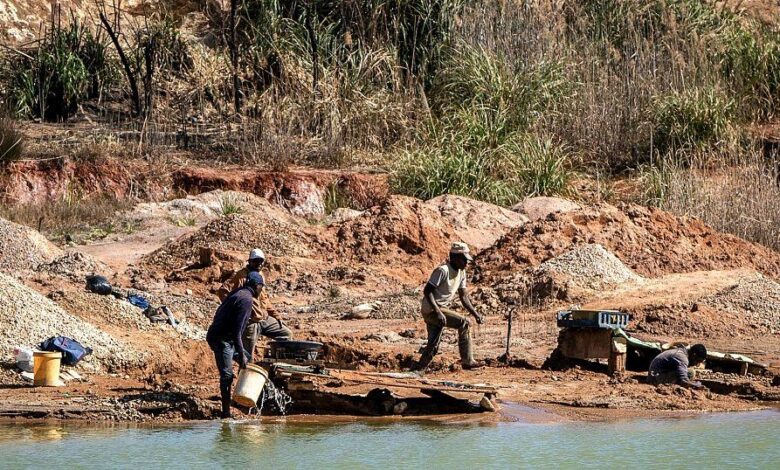
The authorities warned foreign companies operating in the mining sector that licenses could be withdrawn if they do not comply with the decision, at a time when a large part of the production depends on artisanal miners, making the regulation process more complicated.

This move comes as part of a growing regional trend, as countries such as Tanzania and Uganda have already imposed similar restrictions, while Ghana has announced its intention to ban the export of raw gold by 2030, as part of policies aimed at promoting local utilization of mineral wealth.
The Guinean decision is seen as an important economic shift towards reducing dependence on raw material exports and increasing investment in value chains within the country.