Motorcycles are driving a transport revolution in Africa, opening doors to employment and development.
The spread of motorcycles in Africa
Written by: Mohamed Ragab
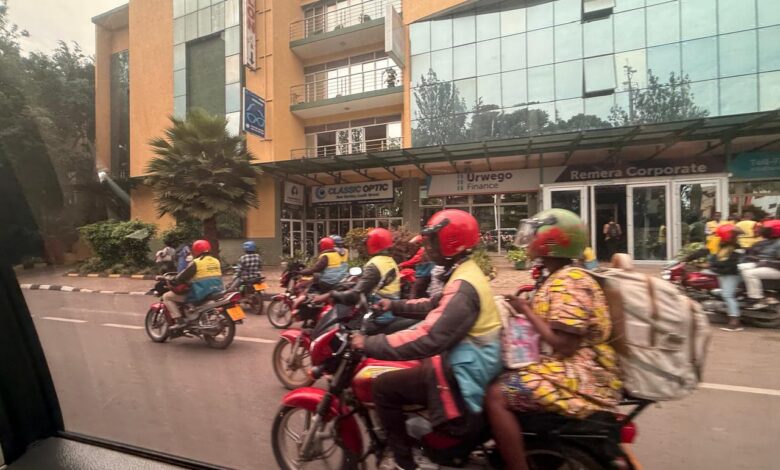
The continent is witnessing African A major transformation has occurred in the transportation sector, as motorcycles have become the fastest-spreading means of transportation in cities and villages, playing a pivotal role in facilitating daily movement and creating new economic opportunities.
From the busy streets of Lagos to the working-class neighborhoods of Nairobi and the rugged rural roads, these vehicles have become the backbone of modern mobility solutions in many countries. African.
Economic recovery and ample job opportunities
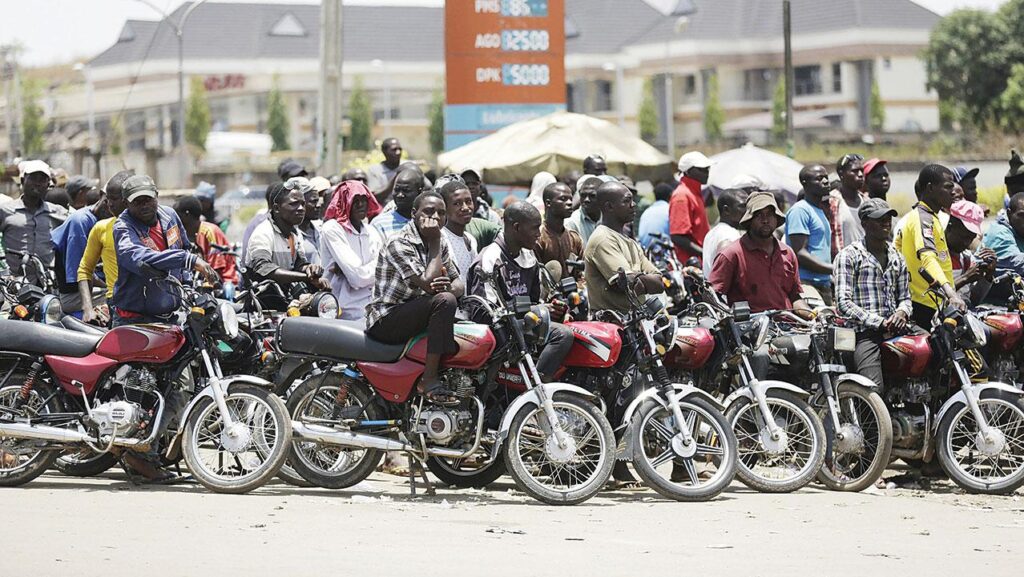
According to reports, motorcycle transport services, known in East Africa as “boda-boda” and in West Africa as “okada”, have contributed to providing millions of job opportunities for young people.
This means of transportation has become a major source of income, especially with the low cost of purchasing it compared to cars or other commercial means of transportation.
Thousands of citizens rely on these bicycles to transport passengers and goods, in addition to using them in express delivery services, making them an important pillar for supporting the local economy and small businesses.
A practical solution to infrastructure problems
The reports noted that in many African regions, roads are still unpaved or narrow, making the use of cars difficult.
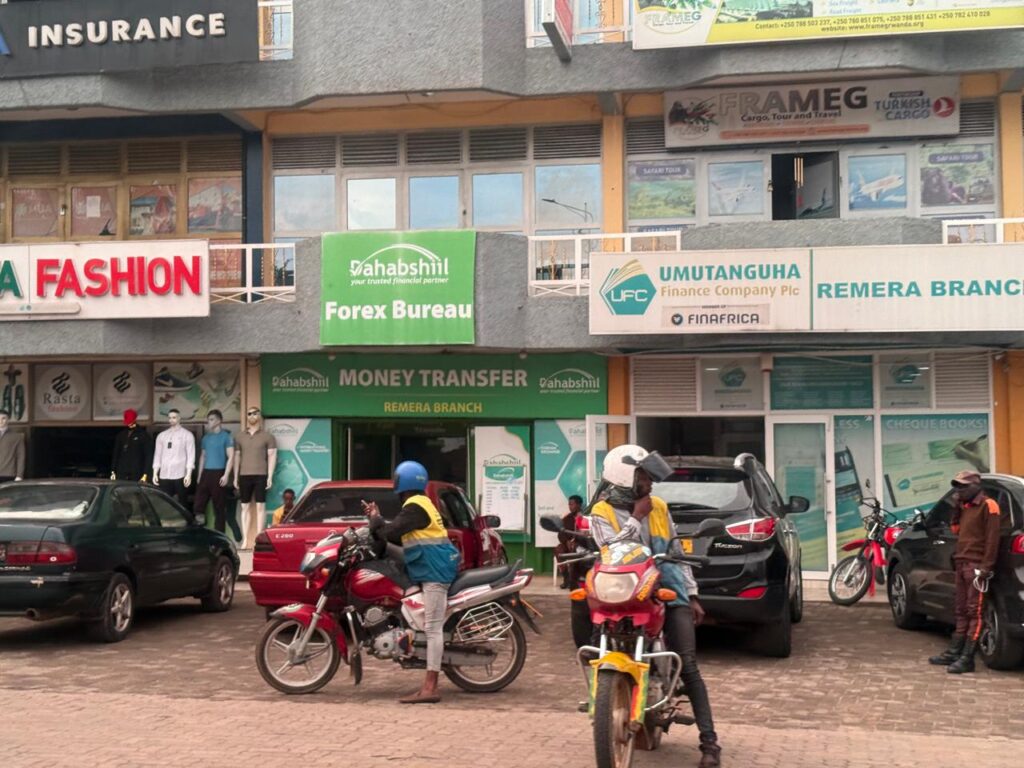
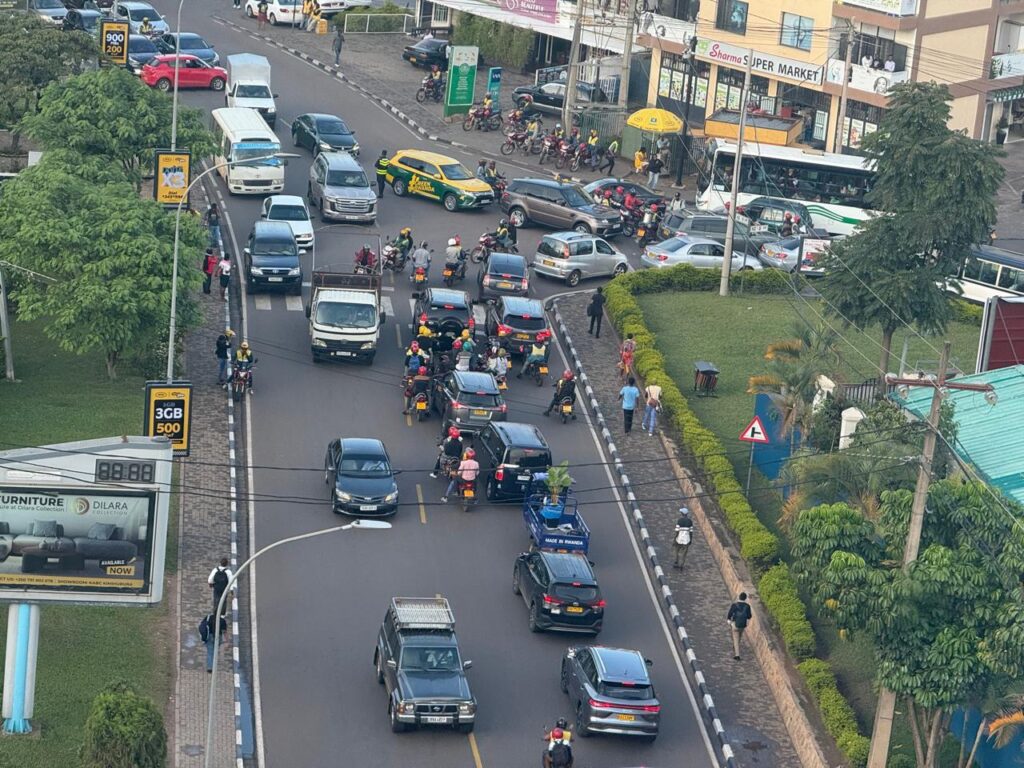
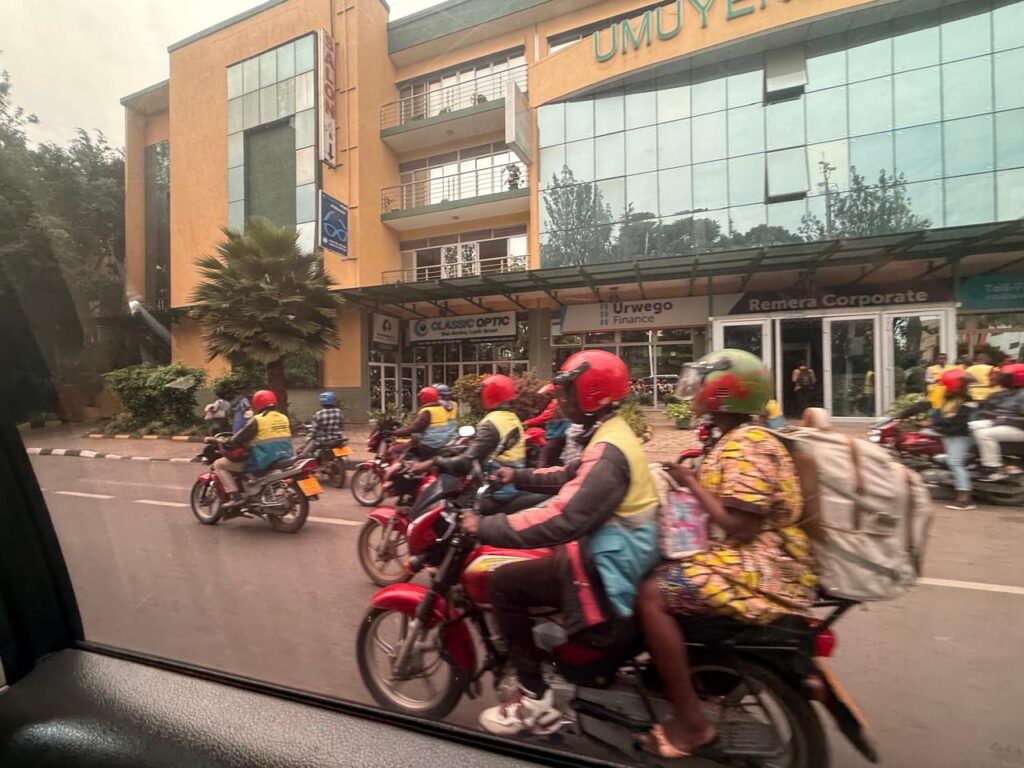
Here, motorcycles emerged as a practical solution thanks to their ability to move around in narrow streets, rural roads, and hard-to-reach areas.
During the rainy season, when the movement of traditional vehicles is disrupted, motorcycles continue to play their role, ensuring the continuity of essential services and the transport of people and goods.
Supporting the health and emergency sector
Motorcycles have not only been used for commercial transport, but have also become an important means of transport in the health sector, where medical teams use them to reach remote areas quickly. Motorcycles have also appeared that are equipped as small ambulances to transport patients or deliver medicines and vaccines.
This has contributed to improving healthcare services, especially in rural areas that lack proper infrastructure.
Technology is changing the landscape
The spread of smartphones has led to the development of digital applications that connect passengers with motorcyclists, with the ability to set prices in advance, track the trip via GPS, and make electronic payments.
This digital transformation has helped to raise the level of trust between users and drivers, has strengthened the professional organization of the sector, and has opened the way for more modern investments.
With growing global concern for the environment, several African cities have begun expanding their use of electric motorcycles, as they are less expensive and more environmentally friendly than traditional vehicles.
These bicycles offer a promising solution to combat traffic pollution and reduce fuel consumption, especially in large, congested cities.
Existing challenges and required organization
Despite the significant benefits, the sector faces challenges related to road safety, accidents, and the lack of insurance in some countries. Therefore, governments have begun implementing new regulations, including mandatory helmet use, driver licensing, and regular vehicle inspections.
Driver training programs were also launched to improve driving skills and enhance customer service.
Transportation experts predict that the motorcycle sector in Africa will continue to grow in the coming years, with increasing demand for fast and low-cost transportation.