Spiro CEO: Nigeria has lithium reserves that qualify it for export
Ahmed Salem
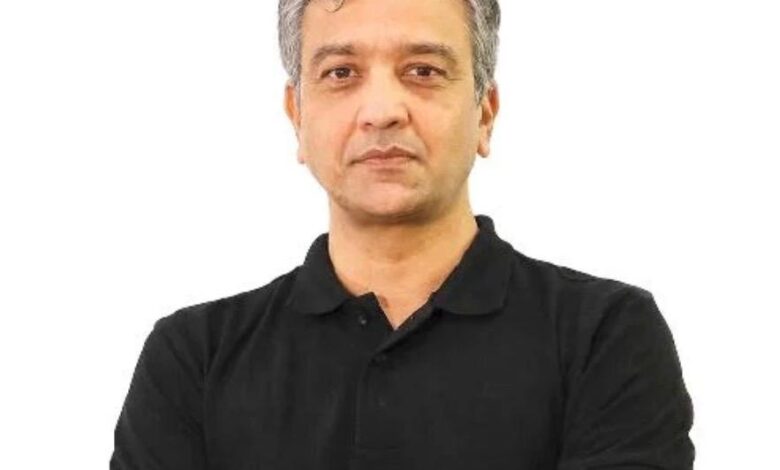
Koushik Burman, CEO of Spiro's mobility division, asserted that Nigeria's vast lithium reserves represent a significant opportunity to build a local battery manufacturing industry and accelerate the pace of production.
In an exclusive interview with The Punch, Burman explained that Nigeria has the potential to move beyond exporting raw minerals and develop an integrated battery value chain that supports local manufacturing, job creation, and the spread of electric vehicles.
Strengthening manufacturing presence in the African market
He added that Spiro, Africa’s largest electric mobility company, is already strengthening its manufacturing presence in Nigeria through local assembly operations and battery recycling infrastructure, making the country a strategic hub for the continent’s energy transition.
Borman said: “Lithium in Nigeria represents a great opportunity to build a local value chain. The cells are currently imported from China, but we are paying close attention to localizing cell manufacturing in Africa.”.
He noted that the company’s latest funding package of $215 million will boost manufacturing capabilities across Africa, including Nigeria, while supporting the expansion of battery swapping networks and component assembly.
Bormann stressed that policy frameworks that encourage local value addition, rather than exporting raw materials, will be crucial to attracting investment in battery production and electric vehicle manufacturing.
Working towards the “Made in Africa” slogan”
He said: “Having a framework that rewards local value added at the expense of raw material exports, and gives investors the certainty needed to invest, is essential. Policies that price local manufacturing processes, along with providing financing, are capable of turning the slogan “Made in Africa” into a tangible reality.”.
The president of Spiro explained that electric mobility aligns with Nigeria’s manufacturing agenda, as it reduces reliance on imported fuel, while simultaneously creating opportunities for local manufacturing and technology development.
He added: “The problem we are trying to solve is dependence on imports. Africa spends more than $150 billion annually on fuel imports, which drains foreign currency reserves and imposes costly subsidies. Every driver who switches to electric mobility is helping to alleviate this burden.”.
Borman identified industrial incentives, the provision of long-term financing, and the promotion of public-private partnerships as the three key requirements for attracting large-scale investment in electric vehicle manufacturing to Nigeria.
He stated, “The technology issue has been settled; electric mobility is commercially proven and affordable.”.
Regarding financing challenges, Borman acknowledged that high borrowing costs in Nigeria remain a significant obstacle to expanding electric vehicle infrastructure. However, he explained that battery swapping systems and digital asset tracking help reduce lending risks and improve access to affordable financing.
He also revealed that Spiro is working to connect with financial institutions and strategic partners to expand the country’s electric mobility system and accelerate the adoption of electric vehicles.
As Nigeria seeks to diversify its economy and take advantage of the global shift towards clean energy, Burman said that utilizing the country's lithium resources for local processing and battery manufacturing would yield significant industrial and economic gains.