Africa Health Conference 2026: A new expansion of innovation within the continent
One of the largest medical events held in Africa
Written by Mohamed Omran
The exhibition health Africa Health, organized by the Egyptian Authority for Unified Procurement, Medical Supply and Management of Medical Technology, is one of the largest medical events held in the African continent, and it takes place in June of each year in Egypt.
It is considered an international regional event that brings together health sector leaders, decision-makers, experts, and global companies operating in the field of medicine and health technology.
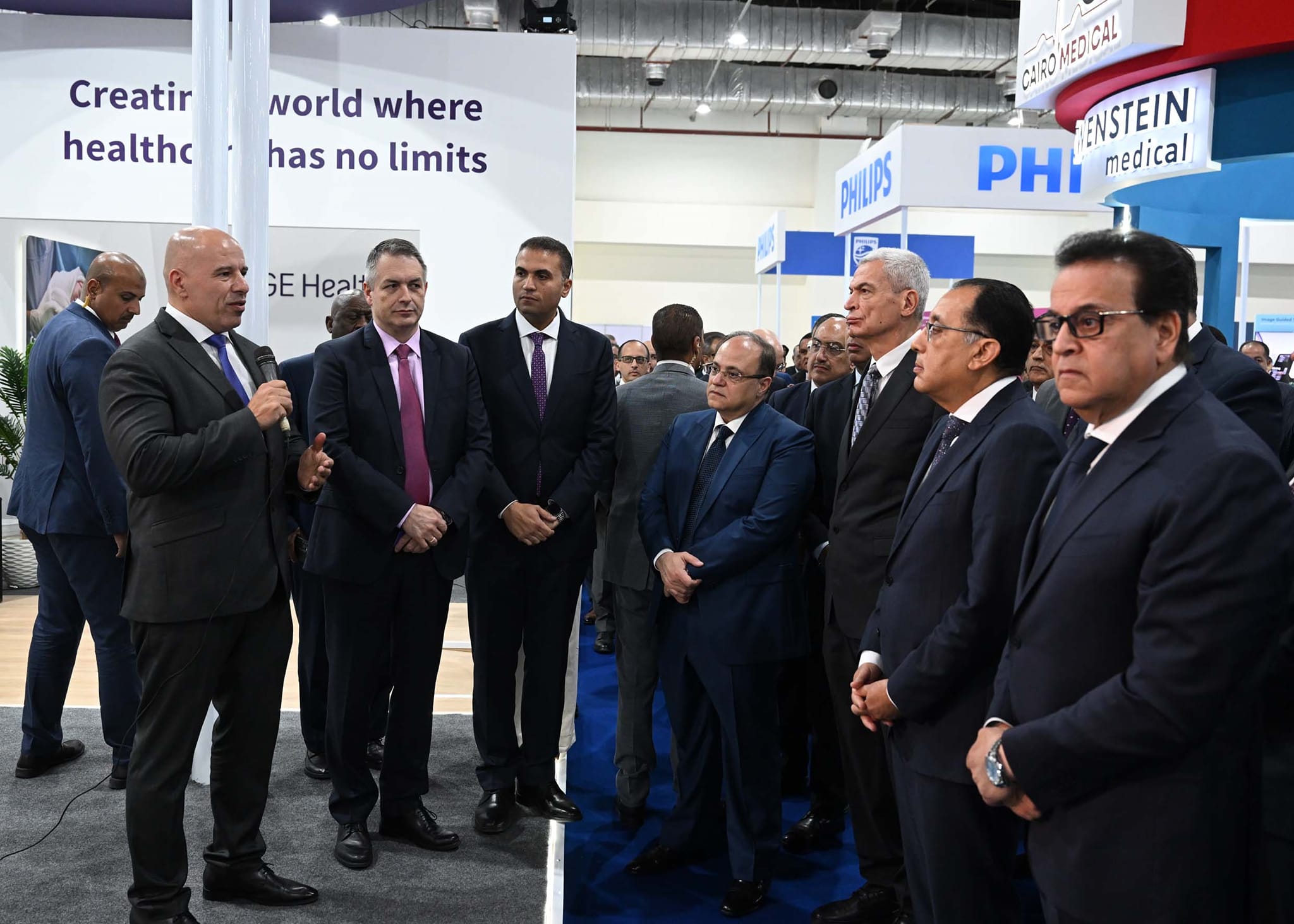
The conference and exhibition include all representatives Medical sector The Healthy provides an exceptional opportunity to learn about the latest medical products and services in various fields of healthcare. Each year, the event attracts more than 500 major companies from around the world, in addition to more than 60,000 visitors from about 100 countries worldwide.
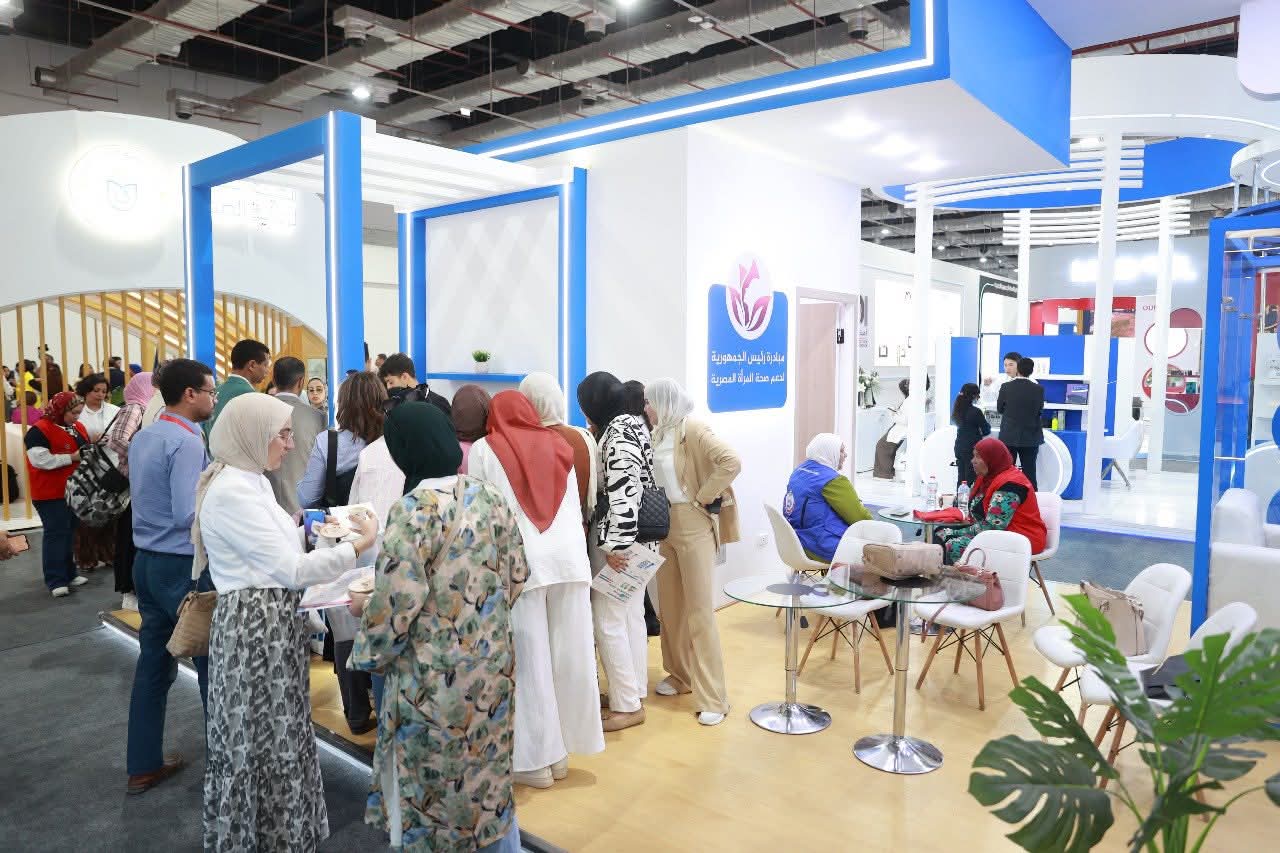
Every year, various state institutions are keen to support and organize this conference, believing in its role in enhancing Egypt’s position as a regional center for healthcare. This comes in light of Egypt’s success in launching the first digital business platform to showcase all experts in various disciplines across the African continent, and to review international contributions and support and develop the medical sector.
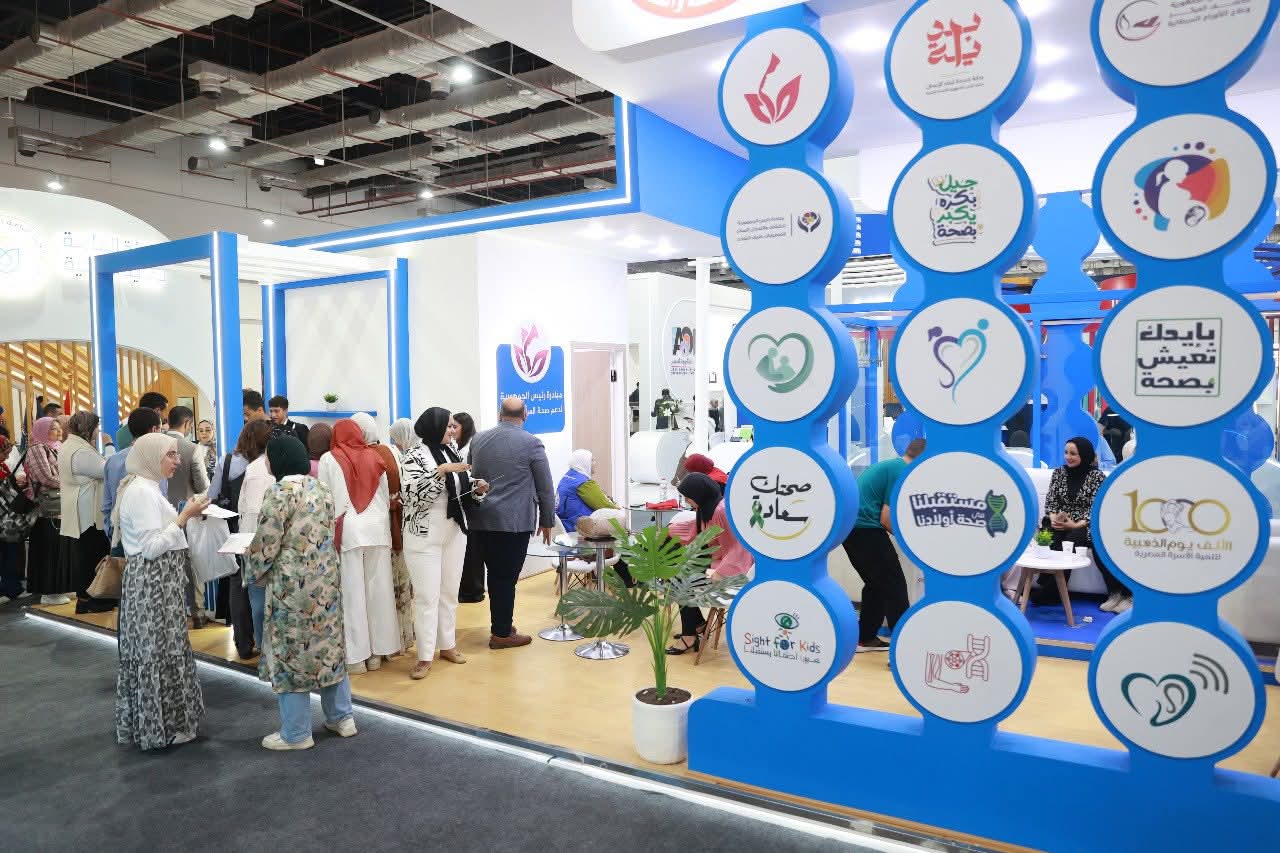
The main objectives of the Africa Health conference are to support the commitment to the African Union’s Agenda 2063, and in particular the vision of a prosperous Africa, which is based on achieving inclusive growth and sustainable development, through the localization of medical industries, especially the pharmaceutical industry, and working to address all the challenges that hinder the medical sector in the African continent.
Each year, the Africa Health Conference seeks to set several goals to promote trade between the African continent, as it is one of the main axes on the African Union’s agenda, which contributes to strengthening the health economy and driving the path of sustainable development in the long term.
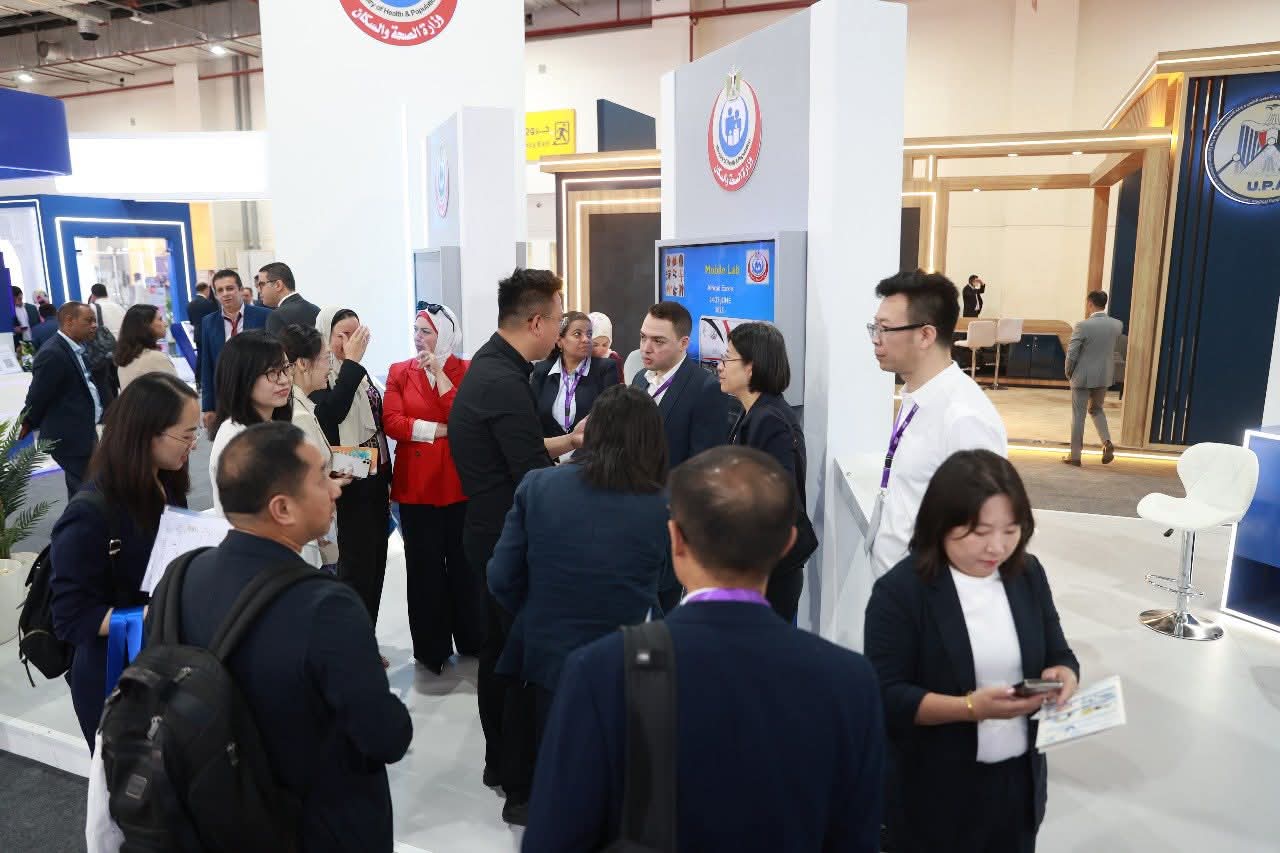
The Africa Health Conference is also an important strategic platform for developing the medical sector in the continent and working to enhance cooperation between various stakeholders, with the aim of achieving long-term sustainable development. This confirms Egypt’s leading role in the field of medical care and its ability to provide diverse, high-quality medical services to patients throughout the African continent.
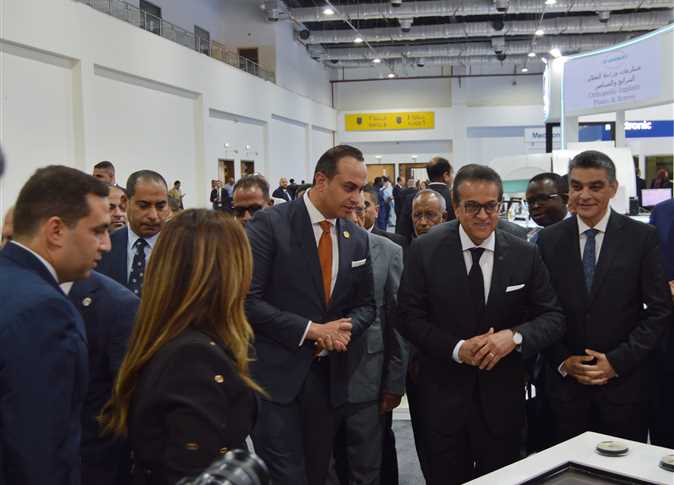
The conference transcends geographical boundaries in an effort to bridge the gap in access to medical care and promote a culture of cooperation and innovation, in line with the vision and directions of the Egyptian state to attract foreign investments to contribute to the development of the sector. This was reflected in the keenness of all state bodies and senior officials in the health and pharmaceutical sectors to participate, to discuss the challenges and solutions related to developing and promoting the sustainability of the medical sector throughout the African continent.“.
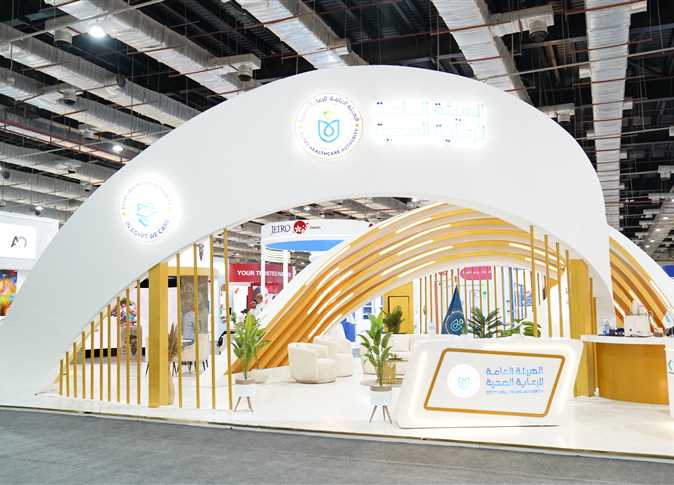
The role of the Africa Health Exhibition extends to include all parts of the African continent and the world, as it transcends geographical boundaries with the aim of reducing and bridging the medical gap and promoting a culture of cooperation and innovation in the various medical sectors, in line with Egypt’s vision and directives in developing the sector. This was evident in the keenness of the state and senior officials in the health and pharmaceutical sectors to participate effectively in a manner befitting Egypt and the continent, and to discuss challenges and difficulties and work to solve them within the development and sustainability of the health system.
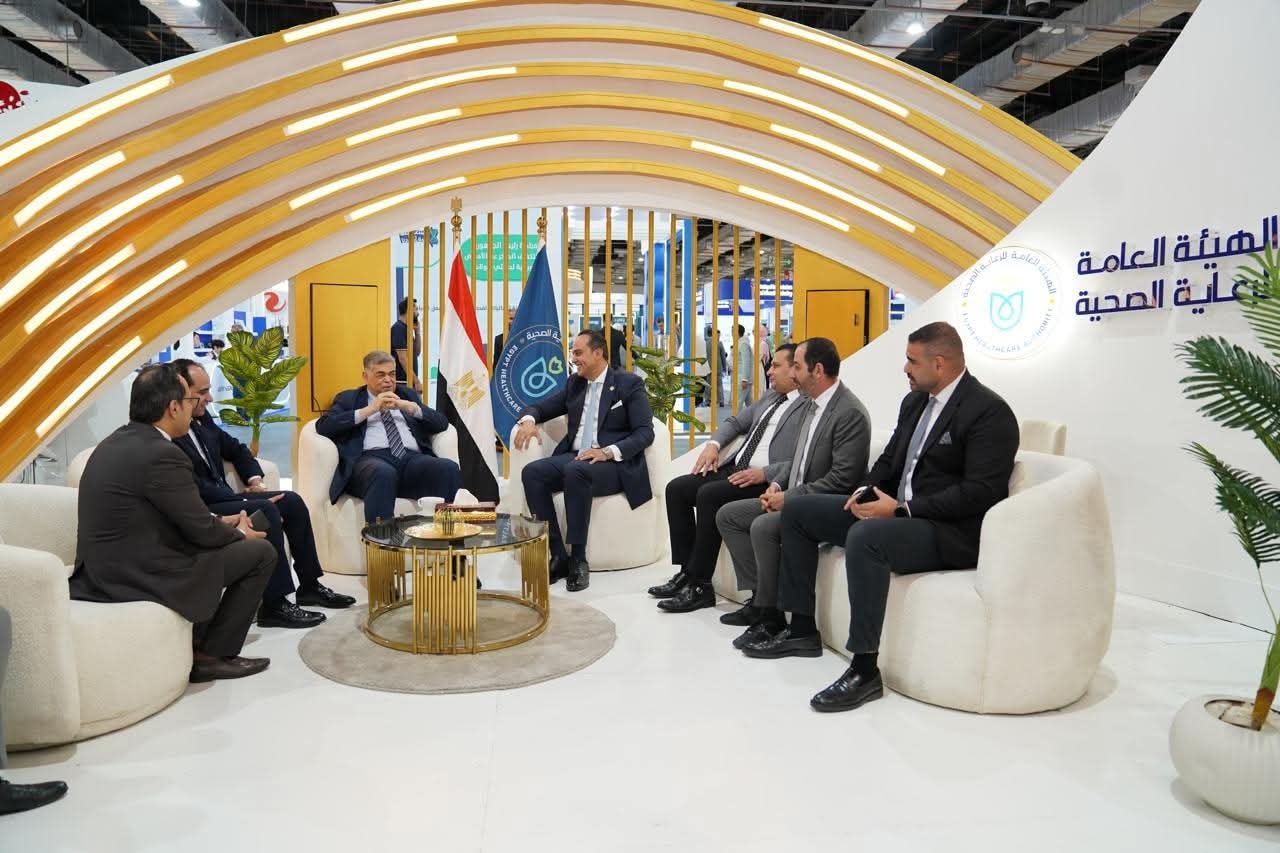
The upcoming Africa Health 2026 exhibition is expected to see a significant expansion in participation and the number of companies joining from around the world, with a focus on cutting-edge medical technologies and artificial intelligence. The conference is also anticipated to include expanded support for healthcare investments within the African continent through dialogue sessions that will bring together decision-makers and medical experts to discuss ways to develop healthcare systems in line with technological advancements.