Ghanaian parliament passes Africa's toughest anti-gay law
A comprehensive anti-gay and anti-transgender law
Written by: Mohammed Omran
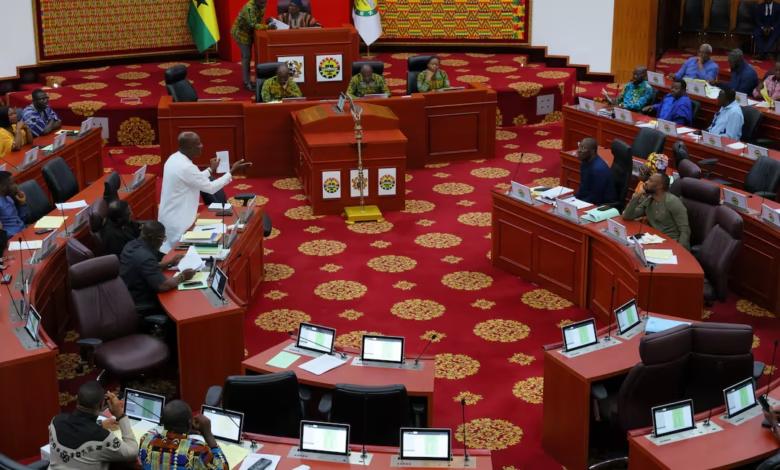
He returned Ghanaian Parliament The debate over gay rights has resurfaced after he approved a bill imposing prison sentences for same-sex relationships and for those who promote or support LGBTQ+ activities.
Ghana passes sweeping anti-gay and anti-transgender law
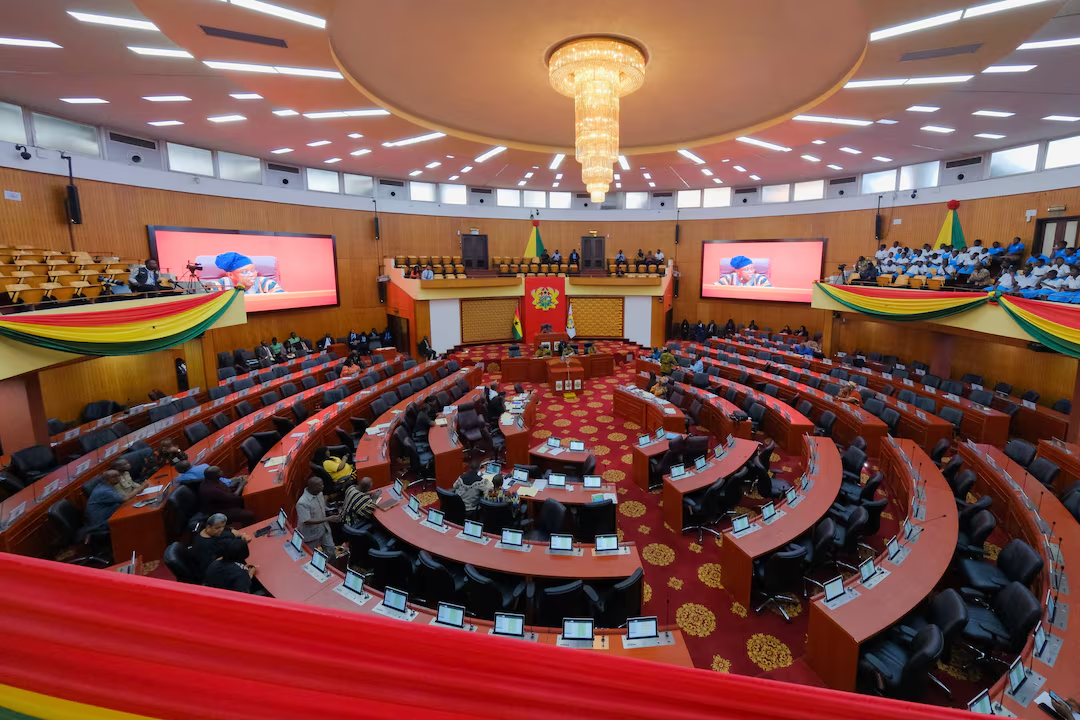
Ghanaian parliament opens fire on LGBTQ+ community with a strict law awaiting presidential signature
Ghana's parliament passed one of the most restrictive anti-LGBT laws in Africa, reviving controversial legislation that imposes prison sentences for same-sex relationships and support for LGBT activities, despite strong criticism from human rights groups and international organizations.
Ghana's parliament on Friday approved the Sexual Rights and Family Values Bill, a measure widely considered to be one of the most restrictive anti-gay and transgender laws in Africa.
Ghanaian parliament passes Africa's toughest anti-gay law
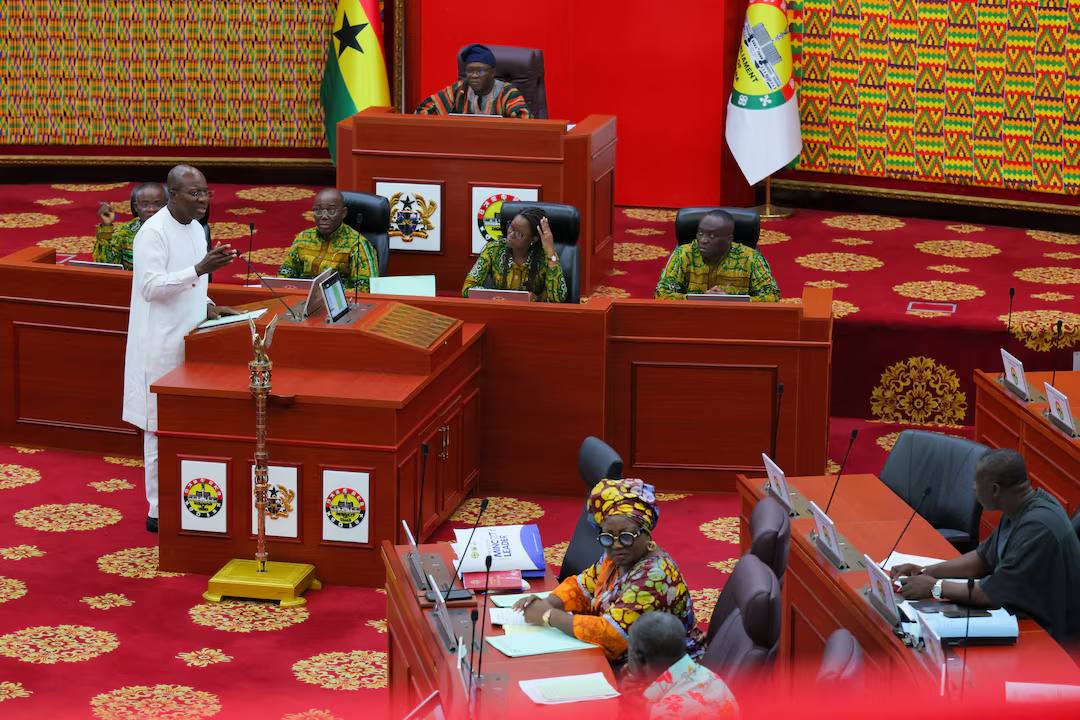
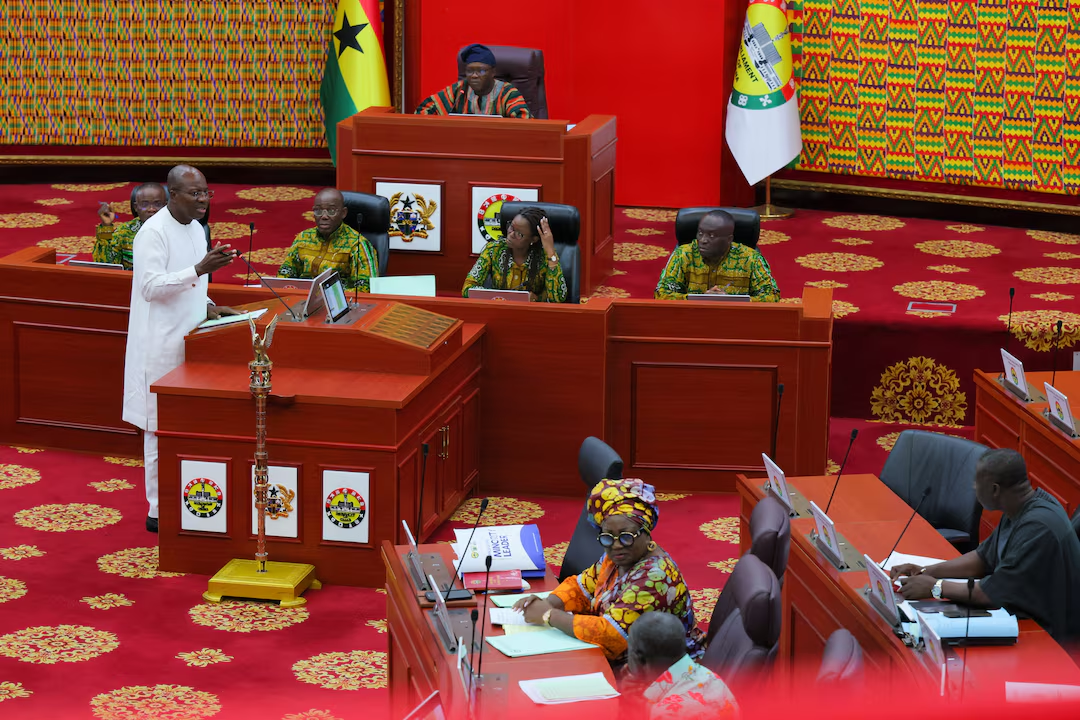
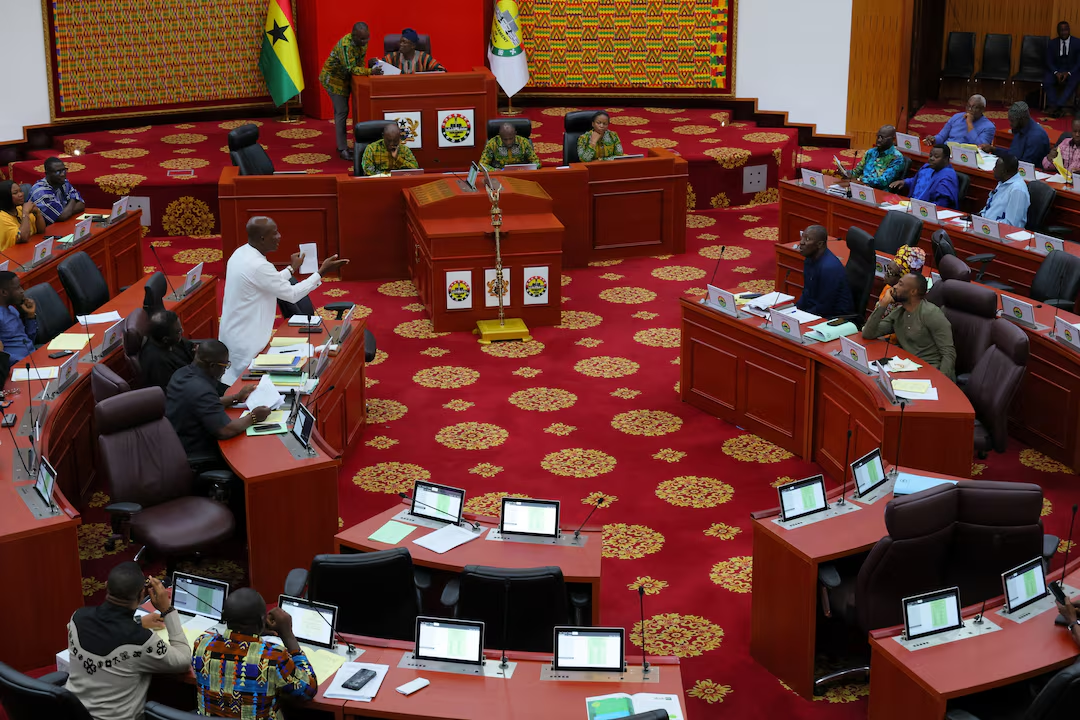
First Deputy Speaker of Parliament Bernard Ahyapor said in his speech to Parliament that the Human Sexual Rights and Family Values Bill 2025 had been passed by voice vote after the Constitutional and Legal Affairs Committee unanimously recommended its adoption.
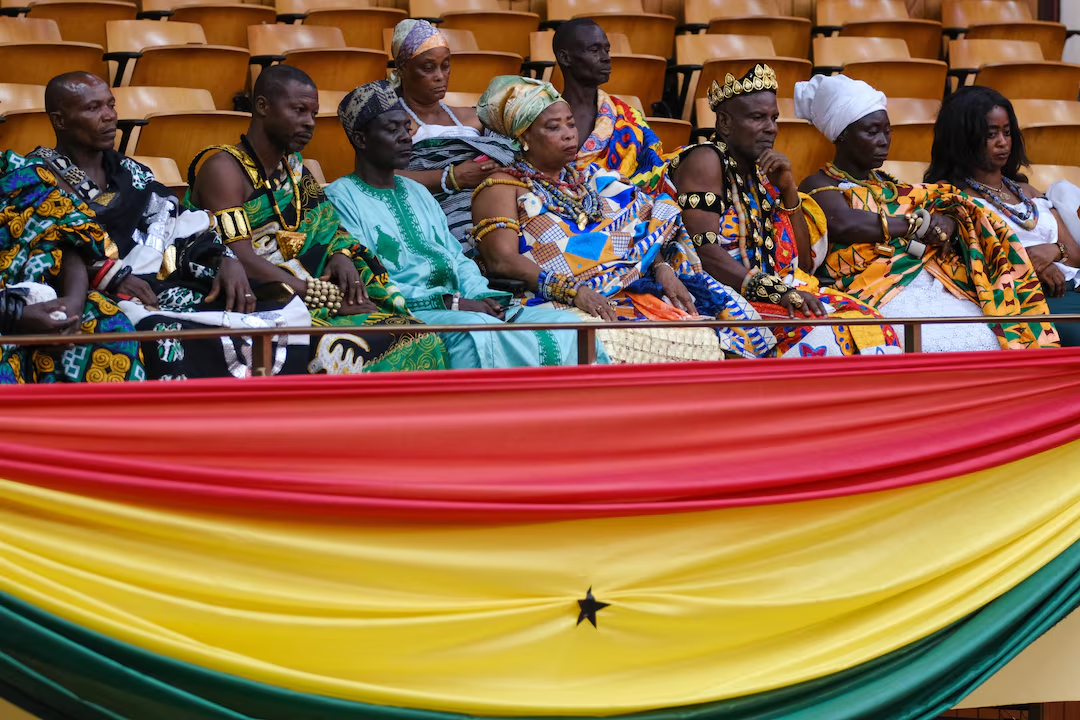
The bill was introduced last year shortly after President John Dramani Mahama took office, and religious leaders and other supporters of the bill have urged lawmakers from Mahama’s political party, the National Democratic Congress, to vote for it. Mahama will now face pressure to sign it.
Lawmakers passed an earlier version of the bill in 2024, under Mahama's predecessor, President Nana Akufo-Addo, but it faced legal challenges and Akufo-Addo did not sign it into law.
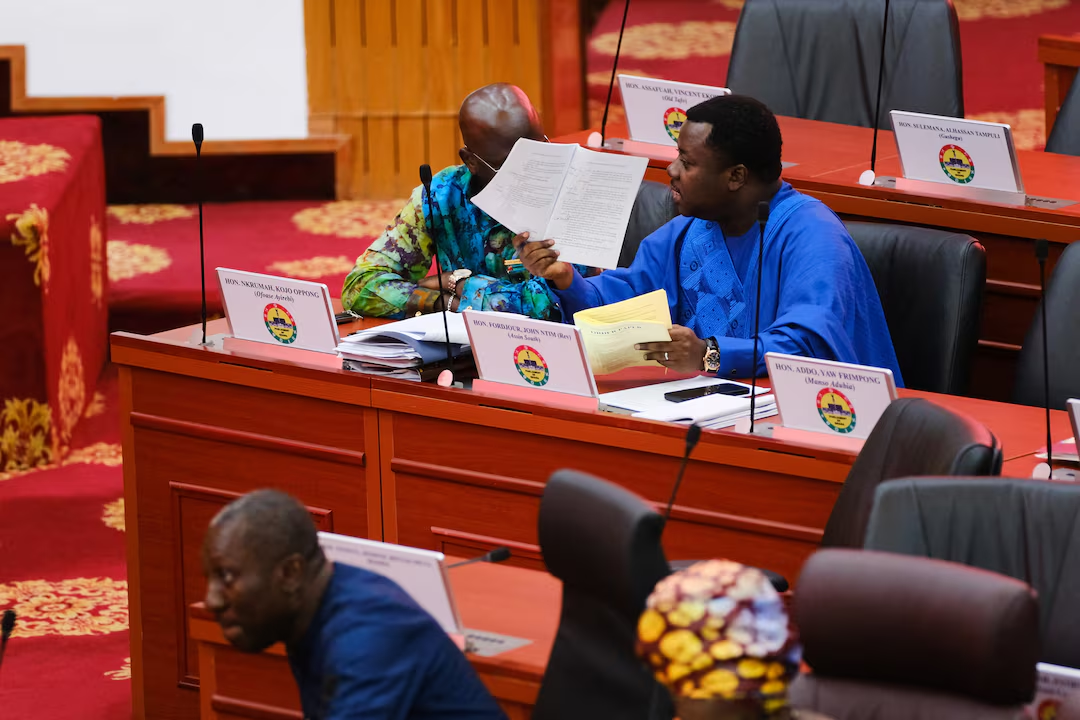
The bill also amends Ghana’s Extradition Act of 1960 to make the offenses listed in the new law extraditable offenses.
West Africa has seen a series of anti-gay and anti-transgender legislation in recent months.
In March, Senegalese President Bassirou Diomêne Faye signed a bill that doubles the maximum prison sentence for homosexual acts to 10 years and criminalizes any efforts to promote homosexuality.
In September of last year, lawmakers in Burkina Faso voted to criminalize same-sex sexual relations for the first time and to criminalize “behavior likely to promote homosexual and similar practices.”.
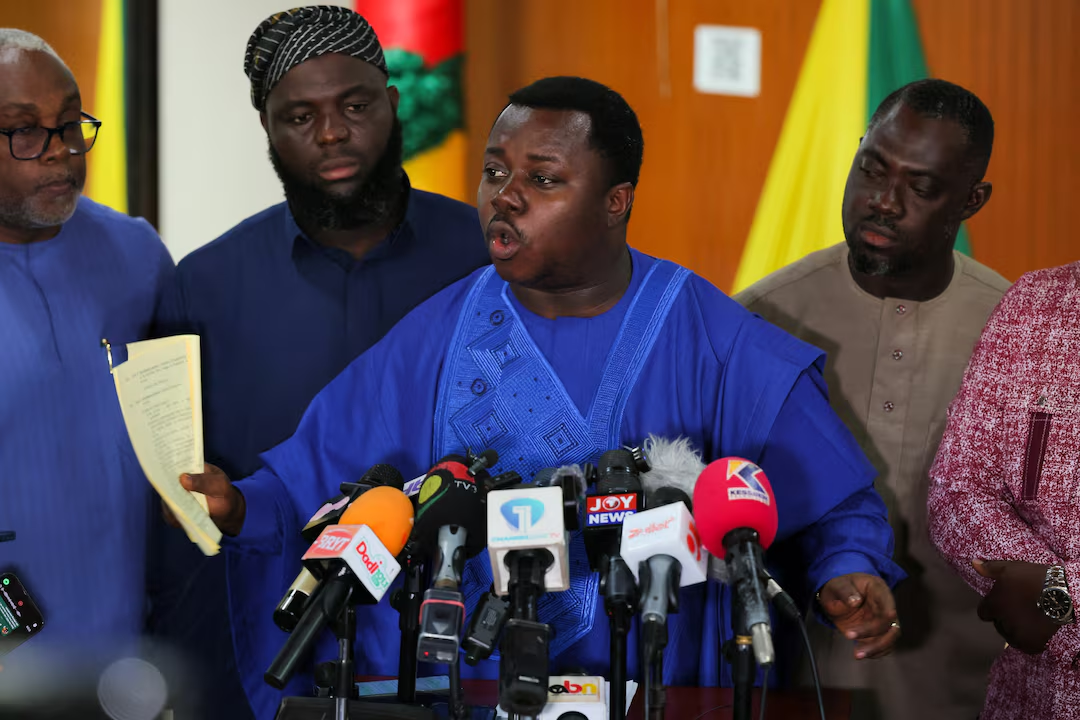
The legislation now awaits ratification by President John Mahama before it can become law.
Lawmakers had unanimously passed the bill in 2024, but former President Nana Akufo-Addo did not sign it before leaving office, causing the legislation to lapse under constitutional rules.
Prison sentences for homosexual relations and advocacy
The law stipulates prison sentences of up to three years for individuals who engage in homosexual relations.
The law also stipulates penalties ranging from three to five years for those found to have promoted, sponsored, or intentionally supported LGBTQ+ activities.
It also prohibits “financing, sponsoring or promoting” any homosexual or LGBTQ+ activity, with prison sentences ranging from three to five years.
The law requires those who commit this activity to report it to a police officer or any other competent authority, with violators punishable by imprisonment for up to three years.
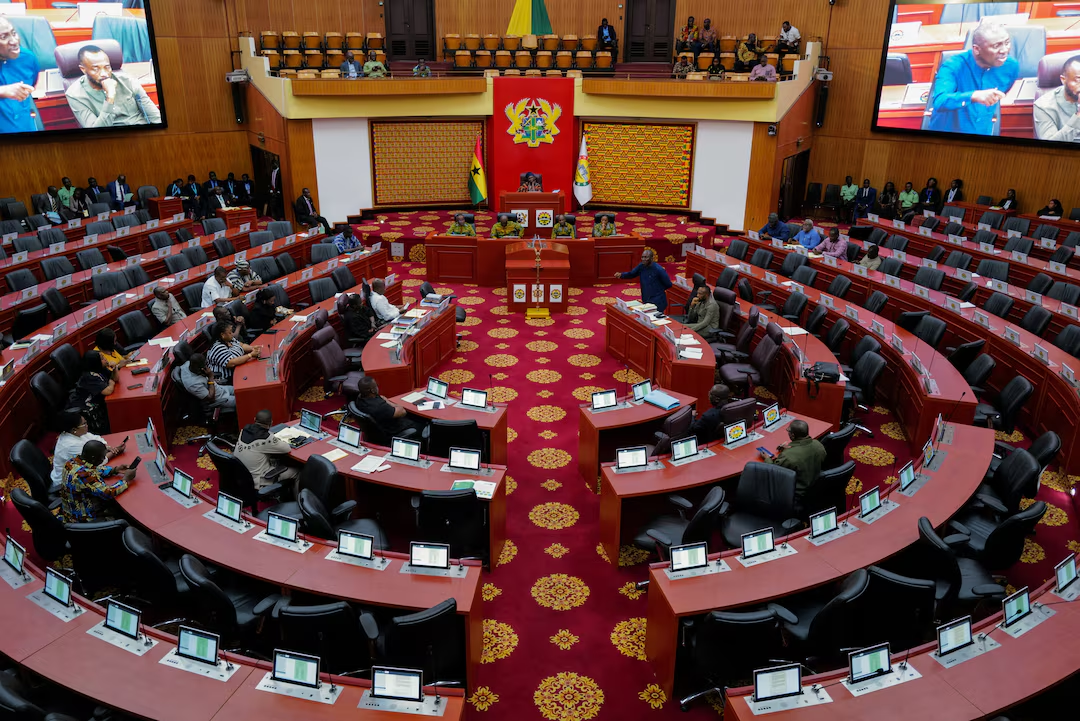
While the newly approved version retains the core provisions of the original bill, lawmakers have introduced exceptions for legal professionals, healthcare workers, and media professionals.
Human rights organizations condemn the legislation
Human rights organizations and numerous international bodies have strongly criticized the bill, arguing that it threatens fundamental freedoms and could increase discrimination against LGBTQ+ individuals.
Critics say the legislation threatens to undermine the protections afforded by freedom of expression, assembly, and access to health care.
But supporters argue that this measure reflects the country's cultural and religious values.
The debate reflects a broader social divide.
Such relationships are already prohibited under a colonial-era law inherited from British rule, although prosecutions have been rare.
The passage of the bill is expected to reignite the debate within Ghana and internationally about the balance between cultural values, human rights, and individual freedoms.