A path to development and prosperity: Nigeria's Kogi State reaffirms its commitment to girls' education
Preparing young girls to enter adulthood
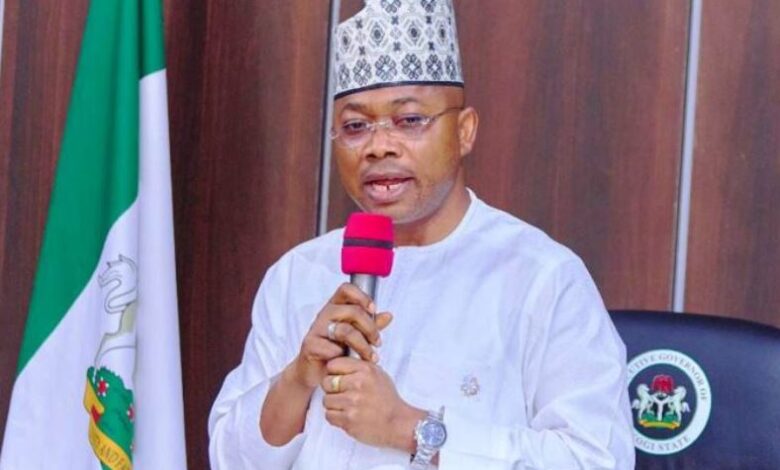
The government of Nigeria’s Kogi State has reaffirmed its commitment to promoting cultural heritage, girls’ education, and unity among its people as a path to sustainable development and prosperity.
The governor of the state, Ahmed Usman Odudu, announced this during the closing ceremony of the 2026 Ovia Osisi Cultural Festival, a long-standing traditional celebration organized by the Ogori Descendants Association (ODU) to prepare young girls for adulthood.
The event was held over the weekend in Oguri, which is part of the Oguri-Majungo region of the state.
The governor, represented by his deputy, Comrade Joel Salifu, described the festival as a powerful symbol of identity, heritage and development for the Ogori people and Kogi State in general.
A platform for education, tourism, and growth
He noted that the Ovia Osisi Festival goes beyond cultural celebration; it serves as a platform for education, tourism, and economic growth while preserving the rich traditions of the people.
Odudo praised the organizers, especially the President of Odu University, Dr. Gabriel Aiso Osio-Mekuen, for raising the standard of the festival over the years.
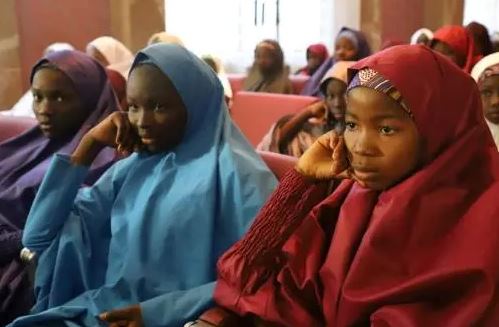
The governor stressed the importance of girls' education, describing Oguri as a model community that is seeing an increase in girls' school enrollment.
He revealed that the state government provided financial support to 13,359 girls under the AGILE project to help them stay in school.
Investing in tourism infrastructure
He also described the festival as a major cultural resource and the only cultural festival recognized by UNESCO in Kogi State, stressing that the government will continue to invest in tourism infrastructure to attract both local and international visitors.
The governor also reviewed his administration’s achievements in the areas of security, road construction, free primary and secondary education, healthcare, agriculture, and worker welfare.
He called on residents of different races and social backgrounds to maintain peaceful coexistence, and urged them not to allow politics, religion, or cultural differences to create division.
He said: “Whether we are Ibra, Igala, Okon, Basa, Nubian, Uguri or Kakanda, we are one people with a common destiny.
He described Oguri as a society rooted in discipline, respect for tradition, collective responsibility, and a strong commitment to progress—values he said were vital for guiding future generations.
The festival concluded with colorful celebrations suitable for all ages, as dignitaries, traditional rulers and guests joined the people of Ogori in showcasing their rich cultural heritage.