“UNESCO adds 5 new African sites to the World Heritage List
Written by: Ayman Ragab
The United Nations Educational, Scientific and Cultural Organization (UNESCO) inscribed five new African sites on the World Heritage List during the 48th session of the World Heritage Committee, held in Busan, Republic of Korea in July 2026. These sites reflect a new approach that focuses on protecting living ecosystems and social and cultural heritage, in partnership with local communities that maintain and sustain this heritage.
The session saw the inclusion of 23 new sites from around the world, including five African sites, confirming the growing presence of the continent on the World Heritage List, not only in terms of number, but also by highlighting new patterns of heritage that include ecological landscapes, living spiritualities, and historical memory associated with the colonial legacy.
The five sites
The new African sites included Garamba National Park in the Democratic Republic of Congo, the animal migration landscape of Boma-Badingelo in South Sudan, the ancient cities of the historic Comoros sultanates, the village of Sidi Bou Said in Tunisia, and the plantations of Sao Tome and Principe that document the colonial agricultural system and forced migration.
The committee also listed 18 other sites around the world, including sites in China, Mongolia, Japan, Thailand, India and South Korea, as well as sites in Lebanon, Palestine, Jordan, Iran, Kazakhstan, Uzbekistan and the United Arab Emirates, along with sites in Denmark, Greece, Finland, France and the United States, as part of UNESCO’s efforts to represent different continents and forms of heritage.
UNESCO Director-General Khaled El-Enany affirmed during the opening of the committee's work that culture remains a force that unites peoples, enriches societies, and forms a pillar of sustainable development, noting that the committee will continue to oversee the selection of new sites and ensure their preservation.
The inclusion of the five African sites embodies this vision, as it reflects the close relationship between local communities, their history and environment, thus reinforcing the principles adopted by UNESCO in the field of heritage preservation.
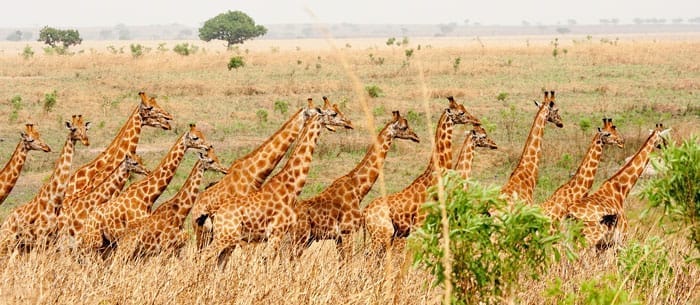
Garamba National Park, first listed in 1980, is a special case, having been relisted under Criterion 9, which focuses on ongoing ecological and biological processes rather than aesthetics. Spanning 512,736 hectares, the park comprises one of the last contiguous areas of forest and savanna in Central Africa, making it a crucial transitional zone between the Guinea-Congo and Sudanese savanna ecosystems.
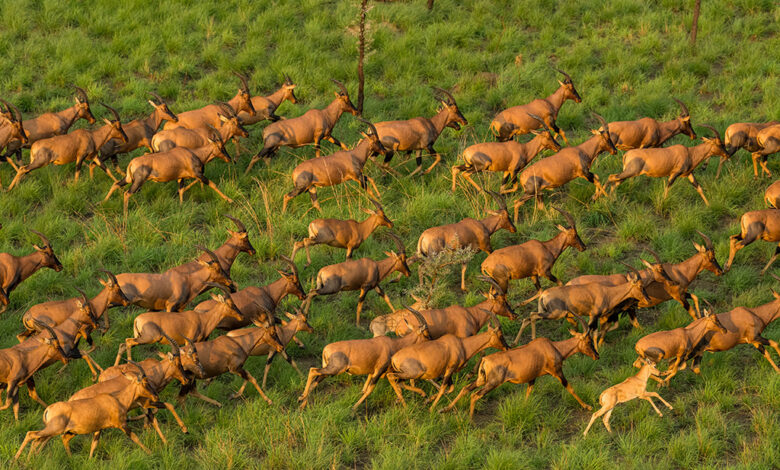
The Boma-Padingelu migration landscape in South Sudan, encompassing Boma and Padingelu National Parks and their surrounding floodplains, hosts one of the world's largest migrations of wild mammals, with some six million white-eared kob, antelope, and moungalla gazelles crossing the area annually. It also shelters savanna elephants, African wild dogs, lions, leopards, and white oryx, as well as large numbers of waterbirds, making it one of the most important remaining ecosystems in the world.
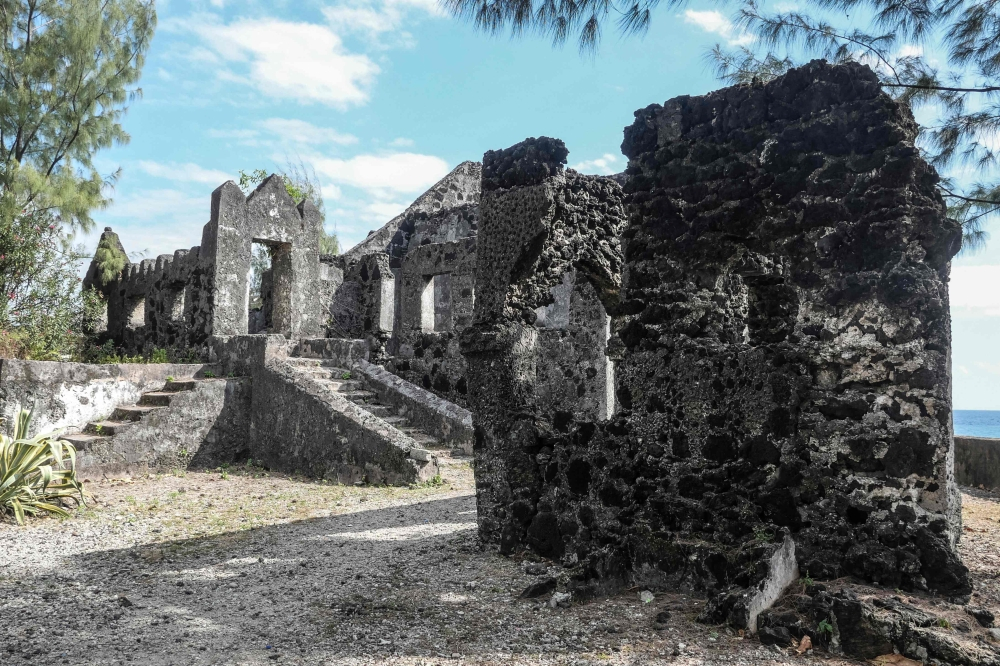
On the cultural side, the ancient cities of the historical Comoros sultanates include six cities that originated in the eleventh century and later turned into city-states, representing a social model that combines matriarchal customs, matriarchal residence, an age-group system, and Islamic traditions, along with the influences of historical trade across the Indian Ocean.
The village of Sidi Bou Said in Tunisia has also been added to the World Heritage List, recognized as a unique example of the harmonious blend of nature, architecture, and spirituality. Perched atop a rocky promontory overlooking the Mediterranean Sea, the village developed around the shrine of a Sufi saint during the 12th and 13th centuries and is renowned for its distinctive white and blue architecture, which has inspired artists and attracted visitors seeking tranquility. Its inscription marks Tunisia's tenth site on the World Heritage List.
The São Tomé and Príncipe plantations, comprising six coffee and cocoa farms, document the industrial agricultural system that relied on migration and forced labor from the late 19th to the mid-20th century. The site highlights the economic and social structures that emerged during the colonial era and stands as a testament to one of the most complex chapters in the history of global commodity production following the abolition of slavery.
A shift in the concept of world heritage
UNESCO believes that these sites are not just new additions to its list, but reflect a shift in the concept of world heritage, to include the protection of ongoing environmental processes, the preservation of living cultural heritage, and the safeguarding of the historical memory of communities.
The inclusion of these sites confirms Africa’s growing status on the World Heritage List, following the inscription of new sites in Guinea-Bissau and Sierra Leone during the 2025 cycle, and reinforces a vision that considers the authenticity of heritage to be measured not only by the sites themselves, but also by their relationship to local communities, the environment and collective memory.