Uganda: Military orders closure of two prominent media outlets
Controversy in Uganda over press freedom
Written by: Mohamed Ragab
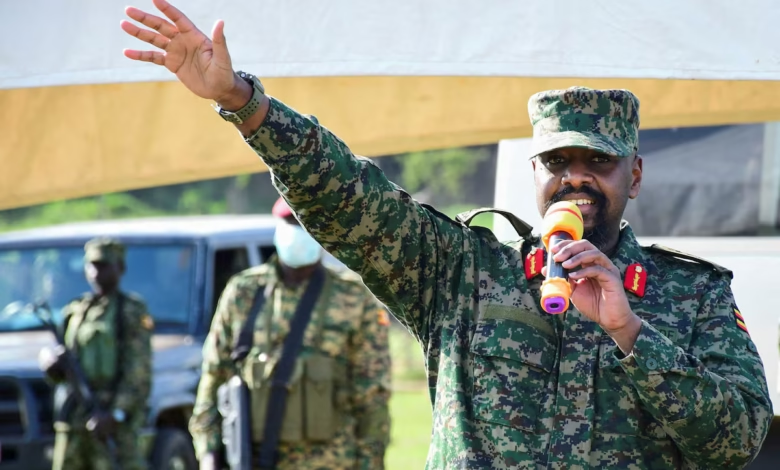
Uganda’s army chief, General Muhoozi Kaynerugaba, has ordered the closure of two major media outlets in the country, the Daily Monitor newspaper and NTV Uganda, in a move that has sparked widespread controversy within media and human rights circles, amid growing concerns about the decline of press freedom in the country.
According to Reuters, the decision was made without announcing detailed reasons, while press reports confirmed that military forces were stationed at the headquarters of the targeted media institutions in the capital, Kampala, and prevented employees from entering or leaving, which led to a complete halt in broadcasting on a number of their affiliated channels and radio stations.
Unprecedented escalation against independent media
International reports indicate that the decision included media outlets belonging to the Nation Media Group, one of the most prominent independent media organizations in Uganda and East Africa, which observers considered an unprecedented escalation against independent media in the country.
The Ugandan army chief was quoted in statements via the “X” platform, in which he said that he does not believe in the concept of “free press,” stressing that the media should be “directed,” which increased local and international criticism of the move.
Concerns about the decline of press freedom
The decision has sparked widespread concern among human rights organizations and journalists' unions, who have warned that shutting down major media outlets in this way could set a dangerous precedent that threatens freedom of expression in Uganda.
Some reports also pointed out that the move reflects the escalating tension between the political authority and media institutions, especially in light of the sensitive political context the country has been experiencing in recent years, and the increasing criticism directed at the government regarding its dealings with the opposition and the media.
Sensitive political background in Uganda
This development comes as President Yoweri Museveni has led the country since 1986, and amid growing debate about the future of governance in Uganda, especially with the rising role of the army chief, Kanerojaba, the president’s son, in the political and military scene.
Reports indicate that Uganda has experienced restrictions on the media in the past, including temporary closures and restrictions on press coverage during elections and political protests.
According to a report published by Reuters, the decision is expected to provoke international reactions and criticism from press freedom organizations, amid growing global concern about media restrictions in some African countries.