From Zulu beads to love potions.. Interesting African wedding customs
حلقات معدنية حول الرقبة منذ سن مبكرة استعدادًا للزواج
Written by Ziad Abdel Fattah:
Marriage customs and traditions vary in African continent Remarkably, as the cultural legacies of each society reflect its specificity and identity, in a mix that combines social symbolism and rituals inherited through generations. While some of these customs carry a romantic or celebratory character, others provoke widespread controversy due to their human and health dimensions.
South African Customs... Love Messages and Symbolic Rituals

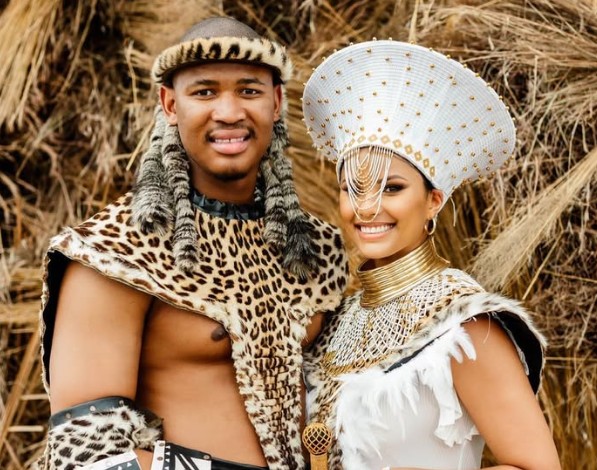
In South Africa, marriage rituals vary among tribes and cultures. Among the Zulu tribe, girls use colored beads to send “love letters” with symbolic meanings, where each color expresses a specific message. The young man then visits the girl's home to fully understand the message within a traditional framework that reflects the depth of indirect communication.
In the Sotho tribe, the young man's father proposes to the girl's family. If they agree, he is presented with a water jug as a symbol of acceptance. During the young man's visit, a meal is served to him, but he refuses to eat it to emphasize that his motive for marriage is love, not need.
In Ndebele culture, the bride undergoes a two-week seclusion period within her family home, away from the eyes of men, before emerging wearing a traditional blanket and shaded by an umbrella, in a ritual that reflects her transition from one life stage to another.
For the “Kiip Malay” community, wedding ceremonies begin with a marriage proposal within the mosque, attended by the groom, his father, and relatives. This is followed by the agreement on the dowry, in a ritual that combines Islamic traditions with local customs.
As Hindu communities in South Africa practice various rituals, with some marriages being arranged by consent and others through family arrangements, one of the most prominent engagement rituals is “Nishaya Tambulam,” which involves exchanging betel leaves and areca nuts with gifts as a symbol of commitment.
West Africa: Between Beauty Standards and Societal Debate
In some regions of West Africa, girls wear metal rings around their necks from an early age, possibly starting at three. The increase in the number of these rings is seen as a beauty standard and a sign of readiness for marriage, despite criticism related to their health effects.
In Mauritania, the tradition of “leblouh” (or "gavage") stands out. It involves fattening girls from a young age, sometimes starting at five, to prepare them for early marriage. Excess weight is considered a sign of beauty and social status.
This tradition is considered one of the most controversial customs, especially amid health concerns and human rights criticisms.
These customs, despite their differences, reflect the extent to which marriage is linked to cultural identity in African societies, while at the same time opening the door to discussions about the necessity of balancing heritage preservation with contemporary health and human rights standards.