Egypt among them... 3 African countries are among the most welcoming to ultra-high-net-worth individuals
خريطة الثروات الفائقة في 2026
Written by: Omnia Hassan
واصلت Africa تعزيز مكانتها على خريطة الثروات العالمية، بعدما كشف تقرير الثروة 2026 الصادر عن شركة نايت فرانك عن تصدر جنوب إفريقيا ومصر والمغرب قائمة الدول الإفريقية الأكثر احتضانا للأفراد ذوي الثروات الفائقة، في مؤشر يعكس تنامي رؤوس الأموال الخاصة ودور القارة المتزايد في الاقتصاد العالمي.
جنوب إفريقيا في الصدارة ومصر تواصل الصعود
بحسب التقرير، جاءت جنوب إفريقيا في المرتبة الـ37 عالميًا بعدد بلغ 1347 فردا من أصحاب الثروات الفائقة، مع توقعات بارتفاع العدد إلى 1564 فردًا بحلول عام 2031، لتحتفظ بموقعها كأكبر مركز للثروة الخاصة في القارة.
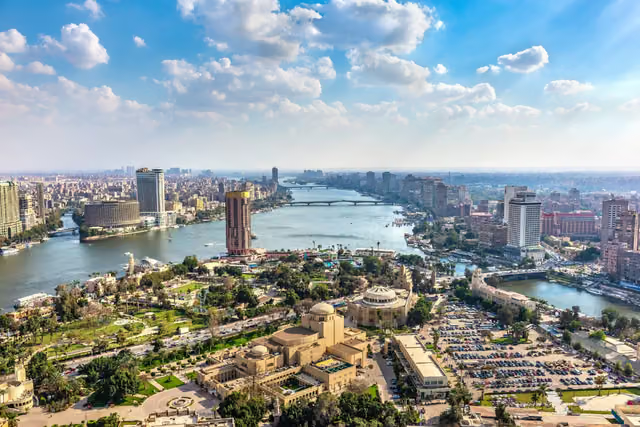
أما مصر، فقد احتلت المرتبة 42 عالميًا بوجود 822 فردًا يمتلكون ثروات ضخمة، مع توقعات بارتفاع العدد إلى 977 فردًا خلال السنوات الخمس المقبلة، وهو ما يعكس استمرار نمو الثروات والاستثمارات داخل أكبر الاقتصادات الإفريقية.
وجاء المغرب في المرتبة 44 عالميًا بعدد 432 فردًا من أصحاب الثروات الفائقة، مع توقعات بزيادة الرقم إلى 550 فردًا بحلول عام 2031.
من هم أصحاب الثروات الفائقة؟
يعرف التقرير الأفراد ذوي الثروات الفائقة بأنهم الأشخاص الذين يمتلكون أصولًا صافية لا تقل عن 30 مليون دولار، باستثناء قيمة محل إقامتهم الرئيسي.
ورغم محدودية عددهم عالميًا، فإنهم يمثلون قوة اقتصادية مؤثرة بفضل استثماراتهم في قطاعات الأعمال وريادة المشروعات والأسواق المالية.
قفزة عالمية في أعداد الأثرياء
وسجل العالم نموًا ملحوظًا في أعداد أصحاب الثروات الفائقة، إذ ارتفع عددهم من 551,435 شخصًا في عام 2021 إلى 713,626 شخصًا في عام 2026، بزيادة تجاوزت 162 ألف فرد خلال خمس سنوات، أي بمعدل يقارب 89 مليونيرا جديدا يوميًا.
وكانت الولايات المتحدة المحرك الرئيسي لهذا النمو، بعدما استحوذت على 41% من إجمالي الأفراد الجدد الذين تجاوزت ثرواتهم حاجز 30 مليون دولار، لتواصل احتلالها المركز الأول عالميا، بينما جاءت الصين في المرتبة الثانية بما يقارب 122 ألف فرد من أصحاب الثروات الفائقة.
ويؤكد التقرير أن الولايات المتحدة والصين تستحوذان معًا على نحو 55% من إجمالي أصحاب الثروات الفائقة في العالم، في ظل استمرار هيمنتهما على قطاعات الاستثمار والتكنولوجيا وريادة الأعمال، بينما تواصل مصر وجنوب أفريقيا والمغرب ترسيخ مكانتها كأبرز مراكز الثروة في القارة الإفريقية.