From bull-jumping to wearing wooden masks: Exciting African customs during celebrations
Religious, social, and historical significance
Written by: Omnia Hassan
The continent is famous Africa With its great cultural diversity, which is clearly reflected in the traditional celebrations that many tribes still maintain today, these rituals are not just expressions of joy, but carry religious, social and historical connotations, and embody the identity of local communities and their ties to the past. Despite the influence of modernity, these celebrations still attract the attention of researchers and tourists from all over the world.
Mask Festival in West Africa
Wooden masks are a prominent symbol in the celebrations of several tribes in Mali and Burkina Faso, where dancers wear traditional masks during performances that represent ancestral stories and folklore, and are held during harvest seasons and community events.
Bull jumping in Ethiopia
The Hamar tribe in Ethiopia is famous for a ceremonial ritual in which a young man jumps over a row of bulls, as a declaration of coming of age and being ready to take on life's responsibilities.
Famous Maasai dances
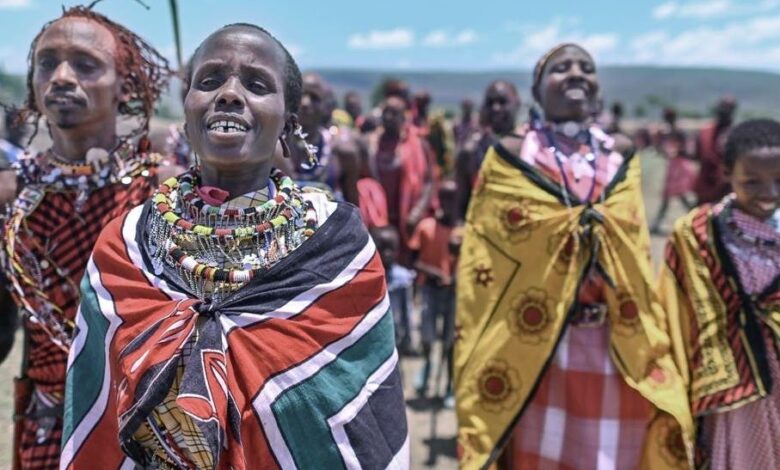
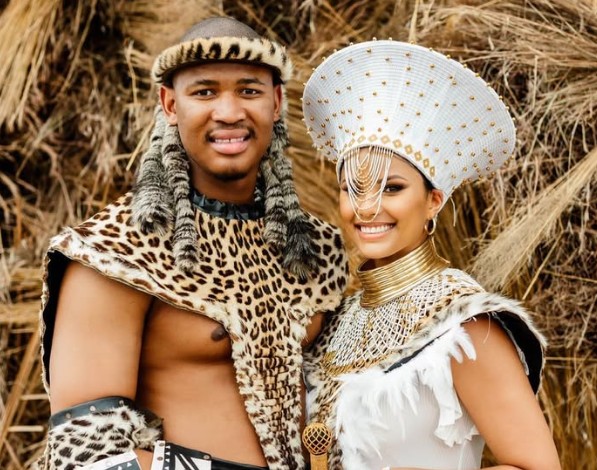
In Kenya and Tanzania, Maasai men perform the famous vertical jump dance during celebrations, reflecting strength, fitness, and courage, and is considered one of the most prominent symbols of African heritage.
Harvest festivals in Ghana
Many communities in Ghana celebrate the harvest season with folk parades, musical performances and traditional dances, expressing gratitude for the crop and community cohesion.
traditional royal celebrations
In some parts of Nigeria, annual ceremonies are held to renew allegiance to kings and traditional leaders, featuring folkloric performances and the wearing of luxurious traditional costumes.
Drums and celebratory messages
Tribes in Central and West Africa rely on drums to announce the start of celebrations and gather the population, as the appropriate rhythms give a distinctive character to each occasion, whether it is a wedding, a holiday, or a festival.
Colors and body decoration
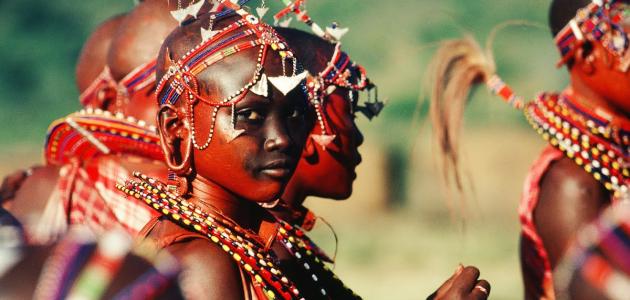
Many tribes are keen to decorate the face and body with natural colors, henna and beads during celebrations, in a tradition that reflects identity and cultural affiliation, and gives each occasion a special character.
A heritage that celebrates life
These celebrations reflect the cultural diversity that characterizes Africa, where music, dance, costumes and folk symbols blend together in scenes that preserve the memory of ancestors.
UNESCO affirms that safeguarding intangible cultural heritage contributes to protecting the identity of peoples and promoting cultural diversity. Amidst drums, masks, and dances, African tribes continue to celebrate their ancient heritage, presenting the world with a unique model of clinging to traditions while keeping pace with the times.