South Africa erupts in anger... Demands to expel migrants and data reveals a surprise
Why are protests against immigrants escalating in South Africa? Unemployment and corruption are fueling the crisis.
Written by: Badr Ahmed
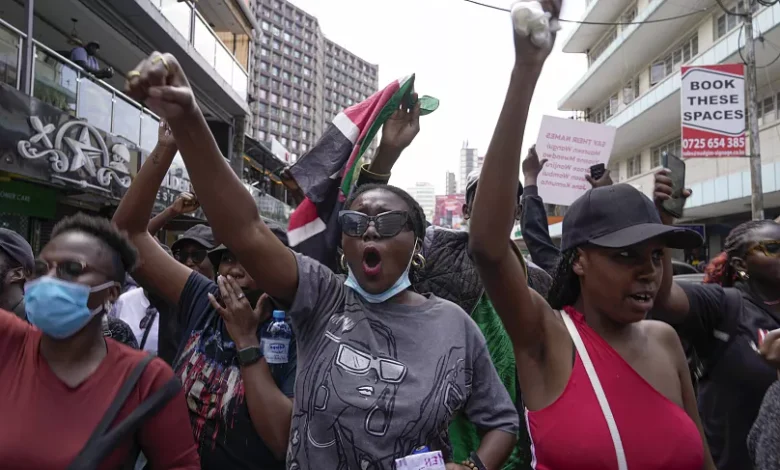
South Africa is experiencing a state of tension as anti-immigrant protests escalate, after grassroots groups demanded that all unregistered foreigners leave the country, amid fears that the demonstrations could turn violent, prompting thousands of African migrants to return to their countries or take refuge in temporary camps for fear of attacks.
The groups organizing the protests, including the March and Sira movement, justify their position by saying that illegal immigration has become a burden on the country, accusing immigrants of taking jobs, draining public services, and contributing to rising crime rates, despite their insistence that their actions are aimed at peaceful protest.
Anger against immigrants is rising in South Africa
Opinion polls conducted over the past year indicate a rise in anti-immigrant sentiment. A survey by the Humanities Research Council showed that 421,000 South Africans do not welcome any immigrants, while 701,000 respondents in an Afrobarometer survey believed that immigrants have a negative economic impact, and nearly three-quarters of those surveyed by Ipsos expressed distrust of immigrants from African countries.
But official data paints a different picture. According to Statistics South Africa, the number of immigrants in the country was around 3.1 million people in 2023, equivalent to only 4.1% of the total population, a percentage lower than many developed countries such as Britain, Canada and Australia.

Statistics also do not support claims linking immigrants to higher crime rates. Department of Justice data indicates that foreigners make up only about 61,000 people in prisons, and a large proportion of cases are related to immigration violations, not criminal offenses.
On the economic side, a World Bank report concluded that employing immigrants contributes to creating new job opportunities for citizens by stimulating business activity and increasing spending within the local economy, which contradicts the prevailing belief that they take jobs away from local residents.
Experts believe the crisis stems more from internal factors than from immigrants. The country suffers from unemployment exceeding one-third of the workforce, declining public services, and high levels of corruption and mismanagement. Furthermore, some political forces are exploiting this issue as local elections approach in November, fueling anti-immigrant rhetoric and using immigrants as a scapegoat for the country's economic and social crises.