Chad and the Islamic Development Bank accelerate the implementation of Chad Connection 2030
By supporting education, health and infrastructure projects
Written by Ziad Abdel Fattah:
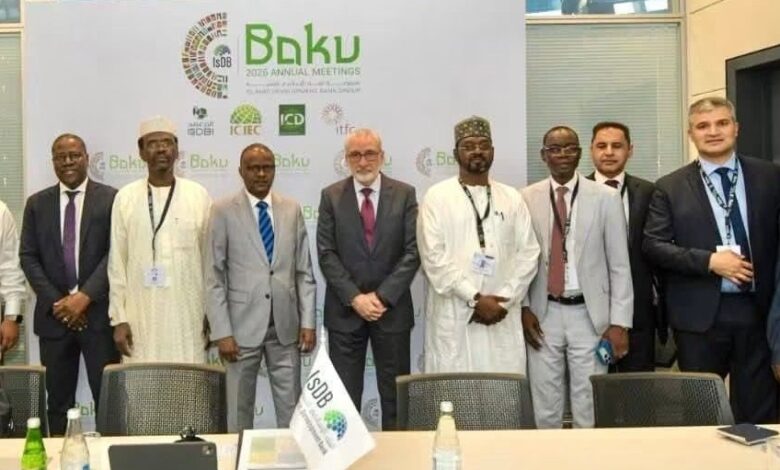
The Chadian government discussed with the Islamic Development Bank ways to accelerate the implementation of the joint cooperation framework and support the national development plan “Chad Connection 2030”, on the sidelines of the Islamic Development Bank’s annual meetings.
Chad’s Minister of State, Minister of Finance, Budget, Economy, Planning and International Cooperation, Tahir Hamed Angeline, accompanied by Minister Delegate Saleh Borma Ali, held a meeting with the Vice President of the Islamic Development Bank Group for Operations, Dr. Rami Mohamed Said Ahmed, to review the level of progress in implementing the agreements signed between the two sides in January 2026.
The meeting addressed the evaluation of the financial and technical commitments provided by the bank to support the national development plan, in addition to discussing mechanisms to enhance partnership and accelerate the mobilization of the necessary financial resources to implement priority projects.
Areas of cooperation included education, health and water sectors, in addition to infrastructure and road projects, with the aim of improving internal connectivity between regions, reducing isolation and promoting balanced development.
During the talks, both sides affirmed their commitment to continuing coordination and intensifying efforts to ensure the effective implementation of development projects, which will contribute to supporting the economic transformation process in Chad and achieving the Sustainable Development Goals within the “Chad Connection 2030” vision.