Zimbabwe's president: Extending my term until 2030 was a collective decision, not a personal initiative.
Written by: Ayman Ragab
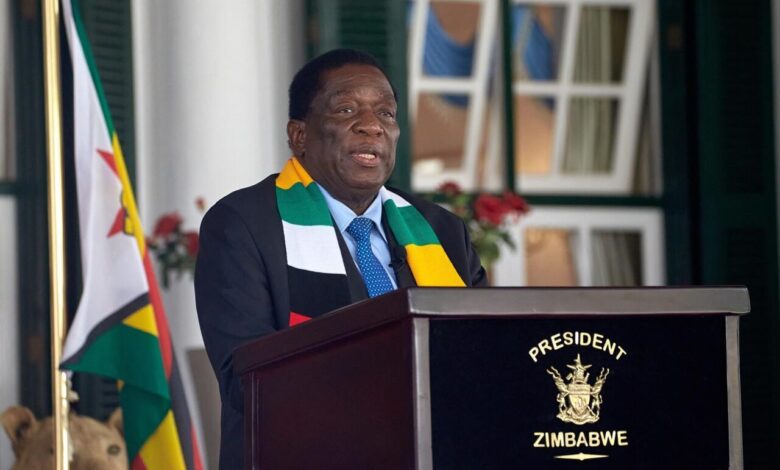
Zimbabwean President Emmerson Mnangagwa has insisted that the constitutional amendment extending his presidential term by two additional years was not a personal decision, but rather the result of a “collective political process”.
Mnangagwa told the editorial board of the state-run Sunday Mail newspaper, after signing the constitutional amendment that became law last week, that the idea of extending the term was not his own.
I don't believe in individual persuasion.
He added: “I do not believe in individual persuasion or in systems where one person’s needs or desires are the deciding factor.”.
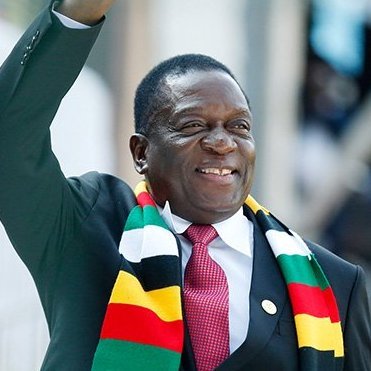
He explained that “this was not the idea of a particular person, nor can it be attributed to a specific individual or group, but rather it is the product of a collective development of the political process.”.
Mnangagwa's term was due to end in 2028, but a constitutional amendment passed by parliament last month allows him to remain in office until 2030, after members of parliament approved the extension of his term.
South African concerns about security in Zimbabwe
In another context, South Africa’s Minister of Public Works and Infrastructure, Dean Macpherson, expressed concern about the security situation on the border with Zimbabwe, calling for urgent action to address the security gaps that facilitate irregular crossings, particularly in the area surrounding the Limpopo River, which forms a major part of the border between the two countries.
The minister's remarks came after a field visit to the border area, where he indicated that parts of the border fence had been damaged or had become ineffective, which contributes to an increase in infiltration and smuggling operations, and poses challenges to the state's efforts in managing the borders.
Calls to strengthen cooperation between African institutions and countries
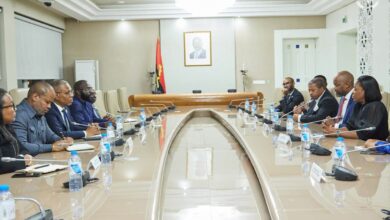
McPherson stressed that addressing the border issue cannot be limited to security measures within South Africa, but requires close cooperation between various government institutions, along with regional coordination with neighboring countries to address the root causes of irregular migration and cross-border crime.
For his part, the Commissioner and Chairman of the South African Border Management Authority, Michael Masiabo, explained that protecting borders is a shared responsibility, stressing the importance of cooperation at the African level to address the challenges of irregular migration, human trafficking and smuggling.
Pressures are mounting as the migration crisis continues.
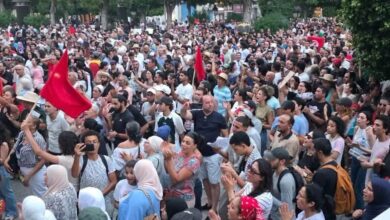
These statements come at a time when South Africa is witnessing an escalation in the debate over immigration, coinciding with protests in several cities against irregular immigrants, amid demands to tighten border controls and apply immigration laws more strictly.
According to reports, observers believe that the increasing number of migrants coming across the northern borders poses additional challenges to security agencies, in light of continued economic pressures and high unemployment rates, which fuels popular demands to tighten control over border crossings.