Dr. Ramadan Qarni to ”Zoom Africa”: Reconstruction is a key focus for Egypt in Africa… Our principles towards Sudan have not changed, and the Horn of Africa is a matter of national security.
Africa has been at the forefront of Egyptian foreign policy circles since 2014
Interview by: Omnia Hassan
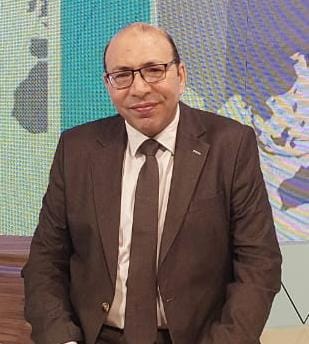
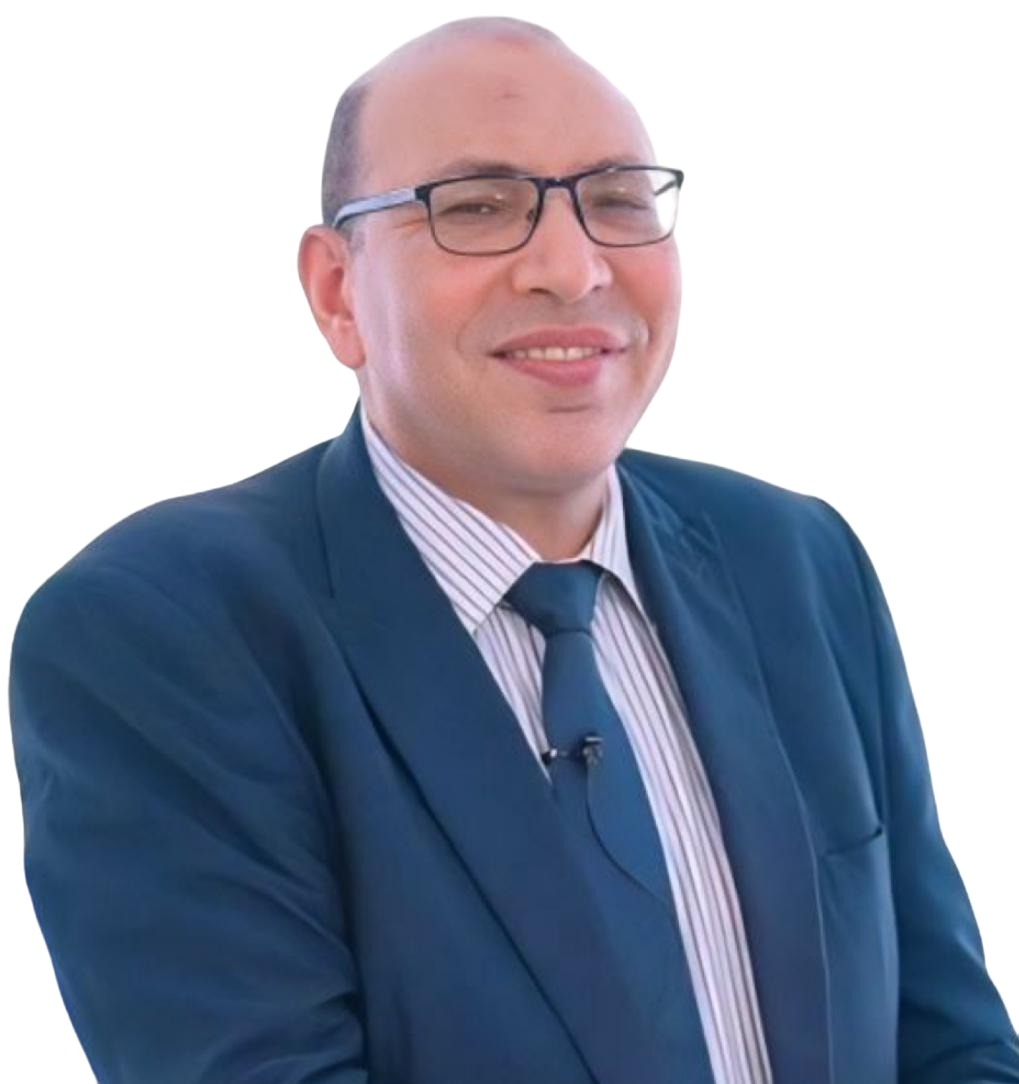
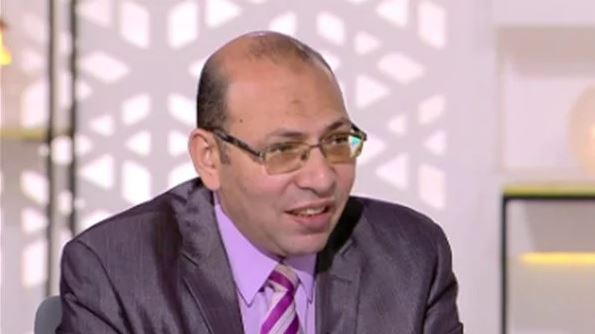
Dr. Ramadan Qarni Mohamed, an expert on African affairs, in an interview with Zoom Africa:
Development is Egypt's core message in its dealings with the countries of the continent.
Egypt's moves towards Africa since 2024 reflect a qualitative and strategic shift.
Cairo's vision for Africa's crises is based on realism and respect for priorities.
Strategic balance has strengthened Egypt's support for the nation-state and the territorial integrity of African countries.
The Egyptian Agency for Partnership for Development has become a key arm of Egyptian soft power.
The rejection of the division of Sudan represents one of the most important pillars of the Egyptian movement.
The Asmara summit marked a pivotal moment in building a shared security vision for the Horn of Africa.
Egypt's move towards the Sahel and West Africa reflects the expanding scope of its African policy.
Economic diplomacy has become a key pillar in Egyptian tours within Africa.
Media, culture, and education are indispensable tools for restoring Egypt's presence in Africa.
Since 2014, Egyptian policy towards the African continent has witnessed a remarkable transformation, characterized by expanding the circles of political and diplomatic activity, strengthening the Egyptian presence in development, security and capacity-building files, in addition to adopting a more comprehensive vision for dealing with the challenges facing the continent. In light of the accelerating regional and international changes, Cairo has emerged as one of the main actors in supporting the stability of Africa, through political, development and security initiatives that have extended from the Horn of Africa to the Sahel and West Africa.
In this interview, Dr. Ramadan Qarni Muhammad, an expert on African affairs, discusses the features of current Egyptian policy towards the continent, the most prominent transformations it has witnessed in recent years, Cairo’s vision for dealing with African crises, as well as its role in Sudan and the Horn of Africa, its mechanisms for reconstruction and peacebuilding, and the future of Egyptian soft power tools in Africa.
To the text of the dialogue….
Since 2014, Egyptian foreign policy towards the African continent has witnessed significant momentum and a diversification of areas of interest… What are the most prominent features of Egypt’s current African policy?
An analysis and study of Egyptian foreign policy towards the African continent, specifically since 2014, reveals a number of shifts in Cairo’s orientations and actions towards its African surroundings, especially with regard to strengthening Egypt’s African identity and establishing “presidential diplomacy” as a prominent and specific pattern towards the countries of the continent, which is why it can be said that the African continent has become at the top of Egypt’s foreign policy circles in general.
On the other hand, the issue of development in the African continent has become prominent on the agenda of the Egyptian decision-maker, as well as the work of the state’s executive institutions and agencies, as a result of the emergence of “qualitative” movements, tools and orientations towards the continent, which have strengthened Egypt’s developmental roles towards its African surroundings, which is what can be said with regard to “development” becoming Egypt’s message towards the countries of the African continent (orientations - mechanisms - strategies).
However, the period since 2024 has witnessed what can be called “qualitative and strategic” shifts in Egypt’s orientations and policies towards the African continent, as a result of the emergence of qualitative movements, tools, strategies and policies towards the continent that have crystallized in several indicators and movements as follows:
First: The multiplicity of circles of Egyptian political movement. In addition to the traditional circles of the Nile Basin, Sudan and East Africa, the circles of the Horn of Africa, the Sahel and Sahara region, the Great Lakes region and Central Africa have emerged on the agenda of the Egyptian decision-maker as important circles for Egyptian action on the continent.
Second: Egypt’s endeavor, in cooperation with partners in the Horn of Africa region (Eritrea, Somalia and Djibouti), to formulate a security system in that region based on respect for the sovereignty of states and their territorial integrity, and that upholds the rules of international law.
Third: Signing military cooperation agreements with Uganda, Gabon, Somalia, Cameroon and Tanzania establishes an important stage of cooperation, in light of Egyptian efforts to support and build African national capabilities in the police and military fields, through the mechanism of training, supplying equipment and devices, and contributing to the rebuilding of security institutions.
Fourth: Egyptian networking with regional efforts to maintain security in Somalia, Sudan, and the Sahel and Sahara region, perhaps the most important of which is Cairo’s announcement of participation in the African peacekeeping mission in Somalia at the beginning of 2025.
The African continent is rife with numerous political, security, economic, and climate crises. How do you assess the Egyptian perspective on the continent's crises?
Egypt’s vision can be described as ”realistic,” as Cairo attaches particular importance to discussing African priorities and places them at the forefront of its foreign policy agenda. Among the most prominent issues that have come to occupy a special place for the Egyptian state is the issue of development in Africa, given its connection to many issues, especially terrorism, the structure of African peace and security, as well as complex and intertwined geopolitical challenges, starting with armed conflicts, passing through the spread of the scourge of terrorism, reaching transnational organized crime, as well as the repercussions of climate change, in addition to Cairo’s endeavor to create national mechanisms for qualifying and preparing African national cadres.
Egyptian political discourse, in all African forums, emphasizes its belief in the African dream embodied in Agenda 2063: ”The Africa we want is not a dream, but a tangible reality, despite the numerous challenges and crises facing the continent both internally and externally.” This approach is a commendable direction for Egyptian efforts, given its alignment with the African Union’s top priority, Agenda 2063.
The doctrine of “strategic balance” occupies a special importance in the movement of Egyptian foreign policy globally. How has this principle been reflected in Egypt’s dealings with the issues of the continent?
This principle is based on respect for the nation-state as the fundamental unit and cornerstone of the regional and international order. This is linked to respect for the sovereignty of other states, non-interference in their affairs, and the understanding that weakening or threatening state institutions leads to instability in relations between states, increases the likelihood of unrest and chaos, and amplifies the role of non-state actors such as armed groups and militias.
This principle was clearly demonstrated in the Egyptian moves supporting the unity and sovereignty of Somalia in the face of Israeli recognition of the breakaway region of Somaliland, the firm Egyptian position towards the developments of the war in Sudan, the rejection of the idea of parallel entities, and also what is related to the unity of the state in Libya.
The issue of “post-conflict reconstruction and development” is a prominent focus of Egypt’s movement on the African level. What are the most prominent Egyptian mechanisms in this context?
Several Egyptian mechanisms address this aspect, most notably the Egyptian Agency for Partnership for Development, the African Union Center for Post-Conflict Reconstruction and Development (which Egypt hosts), the Peace and Sustainable Development Forum (held annually in Aswan), and the Cairo International Center for Conflict Resolution, Peacekeeping and Peacebuilding, which plays a role in building the national capacities of citizens across the continent.
The African Union Center for Post-Conflict Reconstruction and Development, hosted by Egypt and announced in 2019, is considered the most prominent mechanism for resolving political conflicts on the continent. The call for the center's establishment stemmed from a belief in the importance of supporting stability and rebuilding the capacities of African states in the post-conflict phase, as well as the importance of bridging the gap in the African peace and security architecture by creating a continental mechanism to address the situations of countries emerging from conflict and to consolidate peace within them.
According to the Egyptian Ministry of Foreign Affairs, the reasons for launching the center stem from Egypt’s realization that maintaining regional peace and security is not limited to the peacekeeping aspect alone, but extends to preventive diplomacy before the outbreak of conflicts, and then peacebuilding after reaching comprehensive settlement agreements. Therefore, Egypt proposed the initiative to establish the African Union Center for Post-Conflict Reconstruction and Development, and to establish a unit to support mediation and conflict prevention within the structure of the African Union Commission.
The Egyptian Agency for Partnership for Development plays an important and prominent role at the African level, especially in the issues of development and national capacity building. What are the most prominent features of this role?
The Egyptian Agency for Partnership for Development is the development arm of the Egyptian state concerned with promoting and developing South-South cooperation, and is one of the tools of Egyptian soft power in its foreign policy, as it constitutes a tool for communication and transfer of experiences and knowledge to the people of friendly countries, especially African countries.
The Agency was established by Prime Ministerial Decree No. 959 of 2013, and its Board of Directors is chaired by the Minister of Foreign Affairs. It was announced by President Abdel Fattah al-Sisi in his address to the 23rd African Union Summit in Malabo in June 2014. The Agency's objectives are as follows:
Supporting and developing the skills of African personnel through scholarships and training courses offered in cooperation with various Egyptian centers.
Responding to the urgent needs of African countries by providing humanitarian assistance.
Supporting trade exchange between Egypt and African countries. .
Supporting African countries with the aim of implementing and achieving the goals of the 2030 Agenda for Sustainable Development and the African Union Agenda 2063.
According to the Egyptian Ministry of Foreign Affairs, the agency successfully organized 700 training courses attended by more than 18,000 trainees. More than 120 experts were sent to Africa and Islamic countries, and 195 containers of logistical, humanitarian, and medical aid were sent to Africa.
The war in Sudan represents one of the most prominent current African crises, especially after more than three years since its outbreak. What are the most prominent features of the Egyptian efforts to stop the war in Sudan?
Since the outbreak of war in April 2023, Egypt's constants towards the situation in Sudan have not changed, and they were based on a set of principles, the most important of which are:
Aligning with the official Sudanese position of rejecting the “internationalization of the crisis”.
The call to preserve the sovereignty of the Sudanese state and the unity of its territory.
Preserving Sudanese state institutions.
Reject foreign interference in the conflict.
Calling on all regional and international parties to respect Sudanese sovereignty and not to interfere in a way that fuels and exacerbates the conflict.
Launching a political initiative in cooperation with the State of South Sudan, the most prominent features of which are: a time plan to unify the security and military institutions, the formation of an Arab-African committee to communicate with the parties to the crisis, an immediate cessation of military operations, and the protection of the capabilities of the Sudanese people and the aspirations of their glorious revolution.
On the humanitarian front, land and sea borders with Sudan were opened to receive Egyptian and Sudanese citizens and residents. All state institutions were mobilized to deal with the crisis in a humanitarian manner, especially the Ministry of Social Solidarity through the Egyptian Red Crescent Society, in coordination with its Sudanese counterpart, the International Committee of the Red Cross, the Egyptian Embassy in Sudan, and all state agencies to provide all forms of humanitarian, medical, and social relief.
On the international level, Egypt continues its diplomatic and political efforts through several international platforms to search for a political horizon to stop the war in Sudan (the mechanism of Sudan’s neighboring countries - the international coalition to save Sudan - the international quartet with the United States, the UAE and Saudi Arabia - the meetings of the advisory group sponsored by the European Union).
It can be asserted that the most prominent points on which the Sudanese people and government rely regarding Egyptian efforts at the regional and international levels at the present moment are the rejection of the division of Sudan in light of the Rapid Support Forces“ declaration of a parallel government, a ”founding government,” which is feared to divide Sudan.
The Horn of Africa region holds special importance for Egyptian foreign policy in Africa. What are the motives and the importance?
Strategically, the Horn of Africa is described as the strategic depth of Egyptian national security, due to its pivotal role in protecting and securing Egyptian maritime navigation and securing the southern entrance to the Suez Canal. Historically, the Horn of Africa forms an integral part of the components of Egyptian African identity, which dates back to the maritime voyages to the Land of Punt during the reign of the Kingdom of Hatshepsut. Egyptian contact continued in the Middle Ages, in light of the allocation of the “Al-Jabarti Riwaq,” attributed to the famous Eritrean scholar Abdul Rahman Al-Jabarti, to students from these regions at Al-Azhar Al-Sharif.
In modern times, Egypt played a prominent role in supporting the independence of the countries of that region, especially Eritrea and Somalia. Cairo also contributed prominent “diplomatic” roles to support the Somali state, following the period of civil war, as well as supporting development efforts in Eritrea, and strengthening security and economic cooperation with the state of Djibouti.
Recently, that region has become of particular importance in Egyptian action, given the complexity of its crises, most notably the situation in Somalia, especially after the Israeli recognition of the breakaway region of Somaliland, the border tensions between Eritrea and Ethiopia, and the repercussions of the war in Sudan on that strategic region.
In light of the importance of this strategic region, what are the most prominent Egyptian security and development roles in dealing with the crises of the Horn of Africa region?
It can be confidently stated that Egypt, in cooperation with its partners in the Horn of Africa (Eritrea, Somalia, and Djibouti), is striving to formulate a security system in that region based on respect for the sovereignty and territorial integrity of states, and upholding the principles of international law. In this context, the Egyptian presidential visits to Eritrea and Djibouti, as well as the tripartite Egyptian-Eritrean-Somali summit in 2024, and the successive visits of the Somali president to Cairo, reflect Egypt's keenness to formulate such a security system.
The Asmara Summit of 2024, convened by President Isaias Afwerki of Eritrea, President Abdel Fattah al-Sisi of Egypt, and President Hassan Sheikh Mohamud of Somalia, is a pivotal stage in shaping a regional and security system for the Horn of Africa, given its outcomes. The three presidents emphasized the need to adhere to the fundamental principles and pillars of international law as the indispensable basis for regional stability and cooperation, particularly the absolute respect for the sovereignty, independence, and territorial integrity of the countries of the region, confronting interference in the internal affairs of the countries of the region under any pretext or justification, coordinating joint efforts to achieve regional stability, and creating a favorable climate for shared and sustainable development.
In addition to previous efforts on various political and strategic levels, Egypt, in cooperation with partners in the Horn of Africa region, the African Union Commission, and international partners, sought to maximize several security and development mechanisms, most notably:
Egyptian cooperation with the countries of the Horn in the areas of work of the Egyptian Agency for Partnership for Development in the sectors of: diplomacy, transport, communications, agriculture, counter-terrorism, tourism, irrigation and water management, electricity and energy sources.
Egypt provides Somalia with development and technical assistance, grants and training courses in the military and police fields, especially in the field of counter-terrorism, as well as training courses provided by the Egyptian Agency for Partnership for Development in a number of development fields.
The opening of direct flight routes between Egypt and Djibouti, the establishment of renewable energy stations, the opening of branches of Egyptian banks, as well as the signing of a number of memoranda of understanding in various economic and technical sectors, in addition to sending Egyptian advisors to Djibouti.
Providing scholarships for Eritrean students at Al-Azhar University, and the participation of Eritrean officials in capacity-building programs in various fields, including management, media, and others, in addition to increasing weekly flights between the two countries.
The Sahel, Sahara and West Africa region represents the most prominent and important regions of the African continent, as well as the most politically and security-wise crisis-ridden. In recent years, we have witnessed a prominent Egyptian diplomatic and economic move towards it, especially during the tour of Foreign Minister Dr. Badr Abdel-Aty in 2025. How do you assess this move?
It can be said that in an approach that promotes multiple circles of action towards the regions of the African continent, the important ministerial tour of Foreign Minister Dr. Badr Abdel-Aty to the West African region came, which included the countries of (Nigeria - Burkina Faso - Niger - Mali - Senegal), within the framework of strengthening bilateral relations with sister African countries, and intensifying consultation and coordination on regional and international issues of common interest, including regional security files and combating terrorism in the Sahel and West Africa region. .
The outcomes of the tour point to a number of strategic implications for Egypt's African policy:
The private sector received special attention during the Foreign Minister’s African tours, as he was accompanied on his tour by 30 heads and representatives of major Egyptian companies in various sectors to promote economic, trade and investment cooperation with African countries.
The economic cooperation of the delegation accompanying the minister encompassed a wide range of fields and sectors, including agriculture, pharmaceutical industries, infrastructure, mining, manufacturing industries, and new and renewable energy.
In a new development for ministerial tours, Egyptian business forums were organized with the countries included in the tour, with the participation of a large Egyptian economic delegation. This facilitated meetings between company representatives from various sectors, an approach that builds upon previous business forums held with Kenya, Uganda, and Djibouti.
The importance of the cultural dimension of the ministerial tour was highlighted, particularly with regard to garnering African support for the nomination of Dr. Khaled El-Enany, Egypt's representative, for the UNESCO presidency. The tour also emphasized the important role played by Al-Azhar in spreading the values of moderation and tolerance, and the efforts of its educational and outreach mission.
Egypt continues its efforts to promote stability in the Sahel region, and to support the efforts of national governments and state institutions, enabling them to carry out their tasks in maintaining security and stability, extending their control over all their territories and confronting terrorist groups.
Soft power tools represent the most prominent instruments of foreign policy. How do you assess these tools in relation to Egyptian policy in Africa?African?
To begin with, it must be emphasized that any successful foreign policy needs arms of soft power tools, especially the media tool. Historically, Egypt has possessed many soft tools towards the continent, the most important of which are: Al-Azhar Al-Sharif, the Coptic Egyptian Church, the African Association, the Institute for Training African Media Professionals and Broadcasters, and directed radio stations, etc.
However, in recent years, some of these tools have seen a relative decline, which necessitates their reactivation, especially among the new generations in Africa who are unaware of Egypt's role in supporting national liberation movements in Africa. Therefore, I believe it is crucial to work on redeploying Egyptian soft power tools in Africa through:
Opening media and cultural offices in key and pivotal countries of the continent.
Developing radio programs aimed at countries on the continent, especially in African languages such as Swahili, Hausa, Somali, Amharic and Afar.
Increasing the number of scholarships for African students in Egyptian universities.
Reformulating the Egyptian media message towards the countries of the continent to counter the opposing media campaigns from some countries, especially the issue of ”the late Egyptian interest in the African continent“.
Employing modern media tools, “social media,” to formulate a set of Egyptian national narratives towards African citizens, the most important of which are: Egyptian efforts to preserve the nation-state, and African solutions to African crises.