Despite the military clashes, fuel supplies continue in Mali.
Bamako receives 830 fuel trucks
Written by Mohamed Ragab
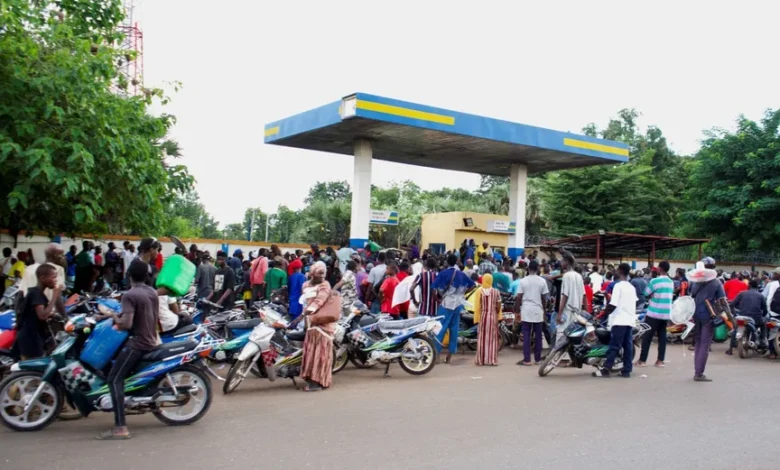
On May 1, Bamako received more than 830 tanker trucks to supply fuel stations, as this operation aims to ensure the continuity of fuel supplies in the country, in light of the developments in the military confrontations.
Financial authorities are continuing their efforts to supply the country with fuel. According to an official statement, more than 830 tanker trucks have been received at depots before the fuel was transported to service stations.
The Directorate General of Trade, Consumer Affairs and Competition in Mali, in collaboration with the National Police, is carrying out this operation. It aims to ensure the availability of fuel to meet the needs of the population, economic activities and essential services.
Securing supply routes
The arrival of these tanker trucks comes just days after the coordinated attacks of April 25, which targeted several cities and strategic locations in Mali. Given this security situation, authorities are focusing on securing supply routes to ensure the continued flow of petroleum products to Bamako and other consumption areas.
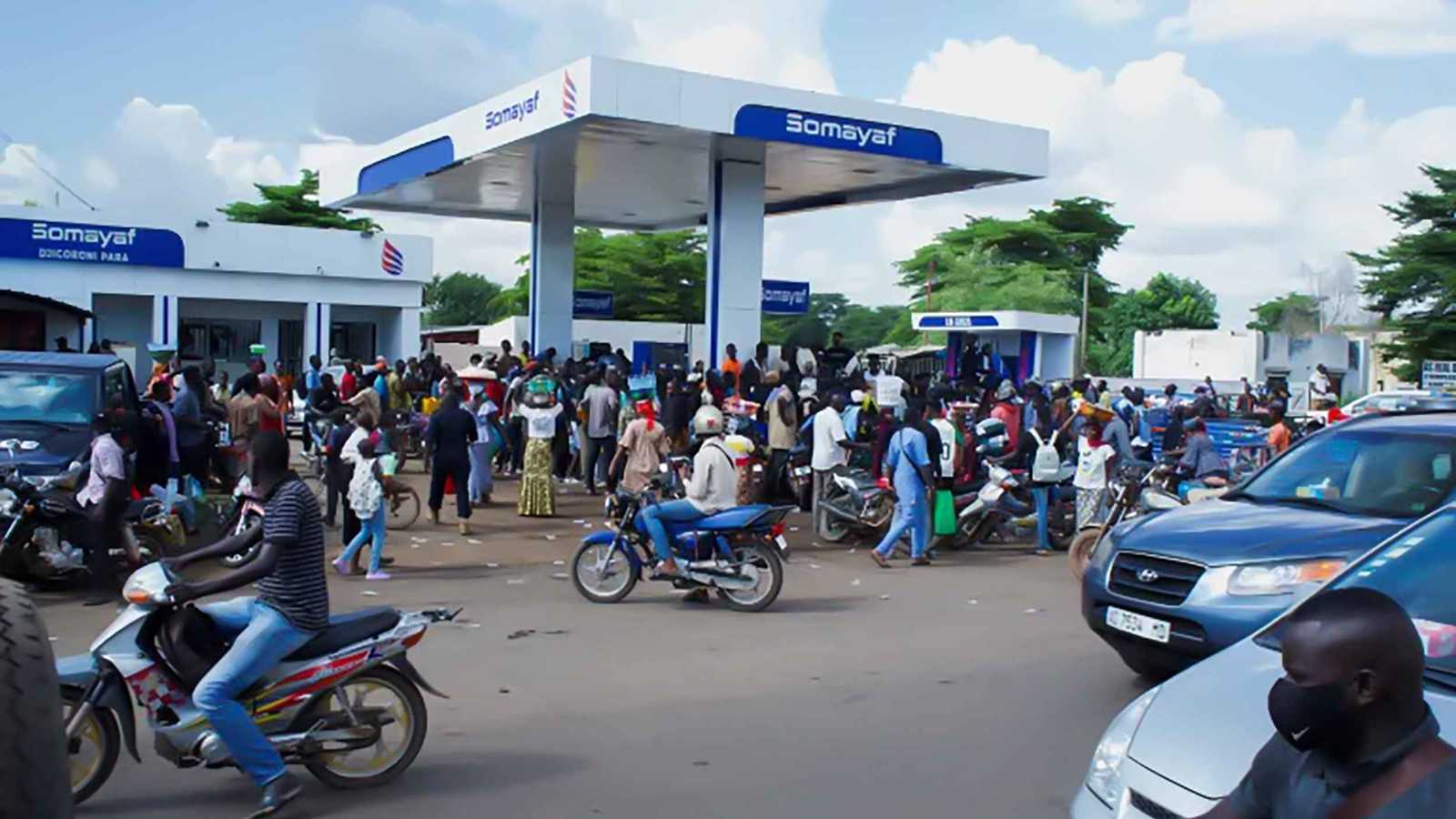
The convoy is being escorted by Malian defense and security forces. This is part of measures taken to protect critical routes and ensure the continuity of logistical flows in a country where hydrocarbons remain essential for transportation, electricity, communications, trade, mining, industry, security, and defense.
Those working in the economic sector are urged not to panic and to continue supply operations. The Directorate General for Competition and Consumer Affairs in Mali, in coordination with security services, is monitoring the arrival of fuel trucks and directing them to service stations.
Establishing a national stockpile of petroleum products
This operation follows a recent financial decision to establish a national security stockpile of liquid and gaseous petroleum products. The Cabinet adopted this decision on April 1, 2026, which covers the consumption of premium gasoline, diesel, jet fuel (Jet A1), and butane gas for 45 days.
The country remains dependent on imports of petroleum products. In 2024, imports reached 2,665,106 cubic meters, compared to 2,621,513 cubic meters in 2023, an increase of 1.661 TP3T. As for butane gas, imports rose from 13,847 tons to 15,838 tons during the same period, an increase of 14.381 TP3T.
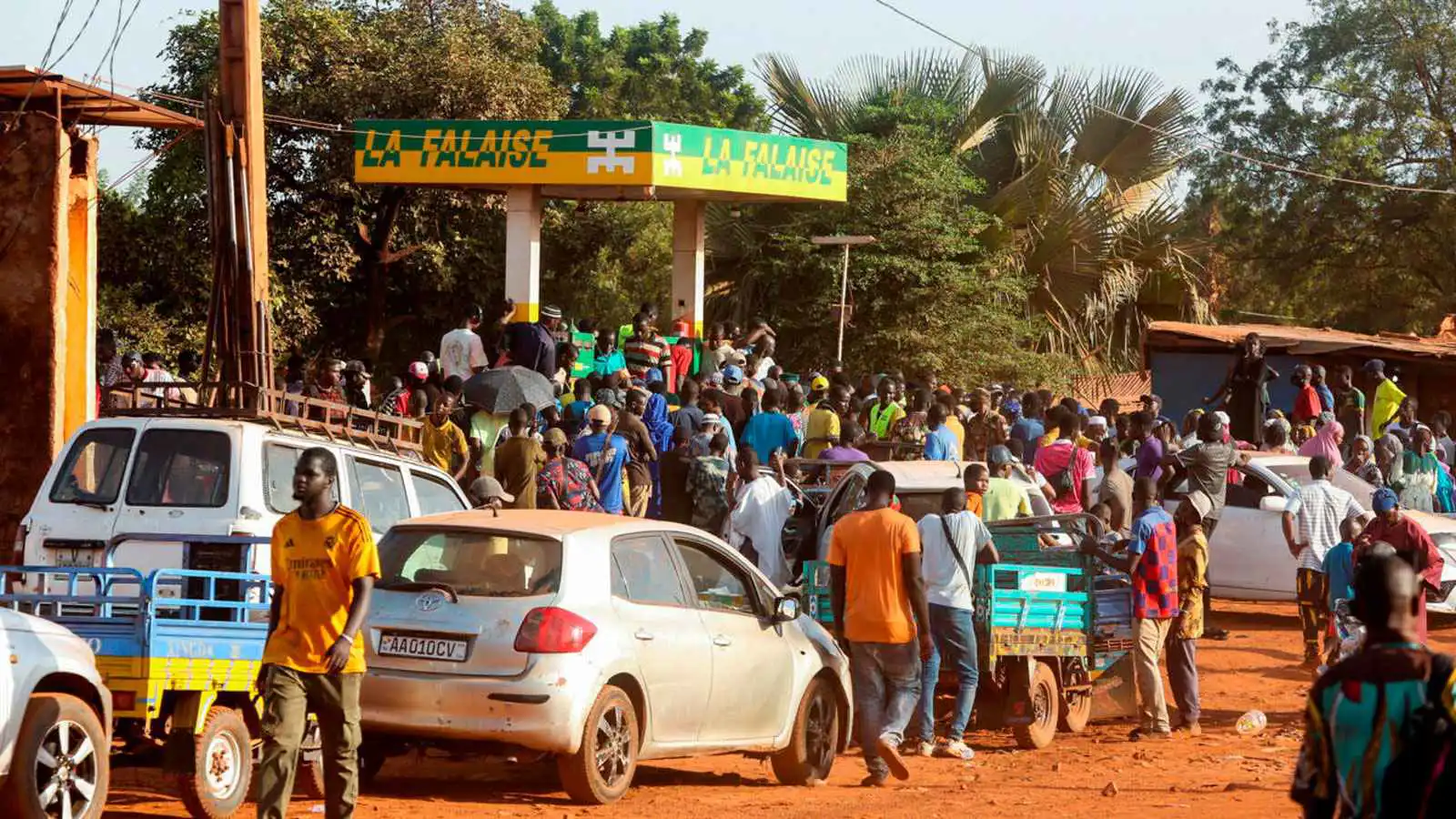
Authorities are urging those involved to continue supply operations and avoid any panic. They confirm that security measures along the pipelines remain in place to ensure the delivery of petroleum products.
Mali has recently witnessed military confrontations by separatists and terrorist groups against the state, resulting in the death of the Malian Minister of Defense and a number of commanders, amid concerns about the country's political and security future.