Senegalese courts refuse to consider an appeal against Ousmane Sonko's return to parliament.
A court ruling strengthens Sonko's position in the political arena.
Written by: Mohamed Ragab
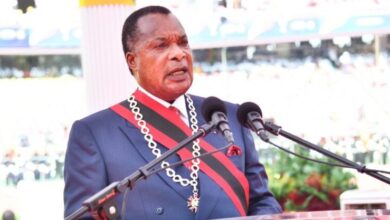
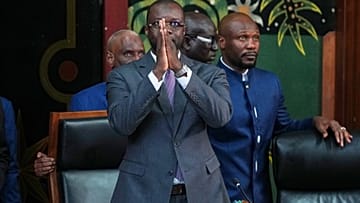
Senegal’s Constitutional Council refused to consider the appeal filed by a number of opposition MPs against the decision to reinstate Ousmane Sonko to the National Assembly, deeming itself incompetent to consider the case.
The decision effectively means keeping Sonko in the legislative body, a move that could increase his political influence in the coming period.
The appeal came after opposition MPs objected to the decision of the National Assembly Bureau, which allowed Ousmane Sonko to regain his parliamentary seat after the end of his duties in the government, considering that this step contradicts some constitutional interpretations related to the incompatibility between governmental and parliamentary positions.
Constitutional controversy over returning to parliament
In recent weeks, the Senegalese political scene has witnessed extensive debate regarding Sonko's right to regain his parliamentary seat.
Opponents of the decision based their arguments on constitutional texts that regulate the relationship between executive and parliamentary positions, asserting that his previous tenure as head of government disqualifies him from returning to parliament according to their interpretation of the constitution.
On the other hand, Sonko’s supporters argue that the constitution only prohibits holding both positions at the same time, and does not prevent regaining a parliamentary seat after leaving the government.
They also point out that his election as a representative was legal and was not challenged within the specified legal timeframes.
Political crisis between Sonko and President Faye
These developments come amid a political crisis in Senegal since President Bassiro Diomae Faye dismissed former Prime Minister Ousmane Sonko and dissolved the government last May, following months of tension and disagreements between the former allies over the management of the country’s economic and political affairs.
Days after his dismissal, Sonko was able to strengthen his political presence by being elected president of the National Assembly, taking advantage of his party's parliamentary majority.
Observers considered this move an indication of his continued influence within state institutions despite his departure from the government.
The implications of the decision on the political landscape
Analysts believe that the Constitutional Council's decision may help calm the legal controversy surrounding Sonko's parliamentary status, but it will not end the political polarization between his supporters and opponents.
The decision is also expected to give him greater scope to influence legislation and oversee the government from his position within parliament.
This comes at a time when Senegal is facing complex economic challenges, amid ongoing discussions about financial reforms and the future of its relationship with international institutions, making the balance between executive and legislative powers an important factor in determining the course of the next phase.