The Egyptian Embassy in Senegal promotes tourism through a meeting with students of Le Collège Bilingue
Cultural exchange between Egypt and Senegal
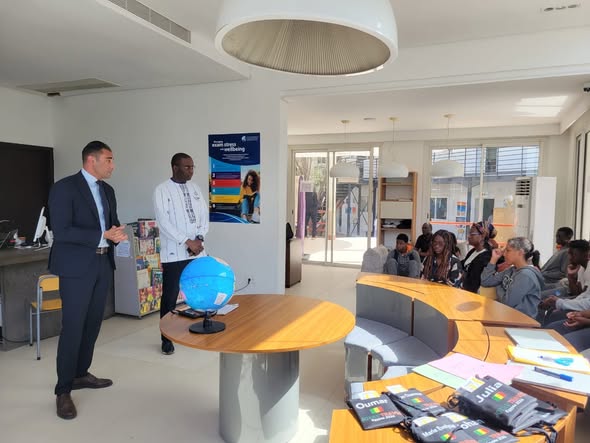
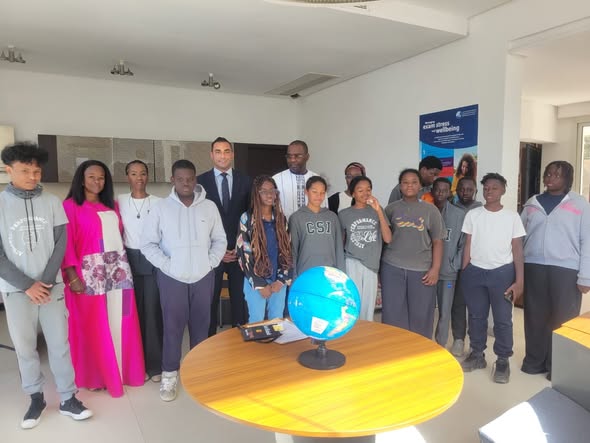
As part of the efforts of the Embassy of the Arab Republic of Egypt in Senegal To promote cultural and educational exchange and to encourage tourism to Egypt, the embassy organized a meeting with a group of students participating in a school trip to Egypt, with the aim of introducing them to the visit program and the most important landmarks they will explore.
Introductory meeting to support cultural exchange
The meeting was held inside the premises of the private language school “Le Collège Bilingue”, in the presence of the Second Secretary of the Embassy, Karim Ashraf, along with the school director and a number of parents.
The meeting included discussions about the importance of educational trips in building bridges of communication between peoples and enhancing students' understanding of different cultures.
Integrated tourism and educational program
During the meeting, the itinerary was reviewed, which includes visiting the most prominent historical and tourist landmarks in Egypt, most notably the Giza Pyramids and the Grand Egyptian Museum, in addition to recreational activities in the city of Hurghada.
The program aims to provide an integrated experience that combines educational, cognitive and recreational aspects, thereby enhancing the value of the trip for students.
Embassy support and facilitation of procedures
For his part, Karim Ashraf welcomed the students’ trip to Egypt, stressing the embassy’s keenness to provide all the necessary facilities to ensure the success of the trip.
He pointed out that such visits represent an important opportunity to strengthen cultural relations between Egypt and Senegal, and to broaden the horizons of students through direct exposure to Egyptian civilization.
Tourism sector recovery in Egypt
The Second Secretary of the Embassy touched on the development witnessed by the tourism sector in Egypt during the recent period, noting that the country received about 19 million tourists during the past year, which reflects the growing confidence in the Egyptian tourist destinations and their diversity.
He stressed that the visit represents a unique opportunity for students to learn firsthand about Egypt’s rich history and to understand the dimensions of global human heritage, in an educational experience that is not limited to theoretical study only, but extends to direct experience.