Abyei region: Why is it a flashpoint of conflict between Sudan and South Sudan?
Conflict over whether it is northern or southern
Written by: Mohamed Ragab
The Abyei region is located on the border between Sudan and South Sudan, and is considered one of the most sensitive areas in the African continent.
It is characterized by its strategic location and natural resources, especially oil and fertile pastures, which has made it the focus of a political, legal and military conflict between Khartoum and Juba for many years.
Despite its geographical location between the two countries, the final legal status of the region has not yet been resolved, which has kept Abyei a disputed area under international law.
Why did the conflict over Abyei erupt?
The dispute over Abyei began before South Sudan’s independence in 2011. The area is mainly inhabited by members of the Ngok Dinka tribe, who are historically and socially linked to South Sudan, while the Arab Misseriya tribe, which comes from West Kordofan State in Sudan, depends on seasonal passage through Abyei to graze its livestock during the dry season.
With the discovery of oil in the region, Abyei’s economic importance increased, and the conflict became not limited to the tribal dimension, but extended to include economic and political interests between the two countries.
What did the peace agreement stipulate?
The Comprehensive Peace Agreement signed in 2005 between the Sudanese government and the Sudan People’s Liberation Movement stipulated that the Abyei region be granted special status, with a referendum to determine whether it would join Sudan or South Sudan, concurrently with the South Sudan independence referendum.
But disagreements over who has the right to vote, especially with regard to the Misseriya tribe who use the area for grazing, have stalled the referendum, and it has not been implemented to this day.
Is Abyei in the north or the south?
As of now, Abyei is not officially part of Sudan or South Sudan in a final form, as it remains a disputed area, and is under special administration according to agreements signed between the two parties, with the presence of the United Nations Interim Security Force for Abyei (UNISFA) which is responsible for maintaining security and preventing clashes between the two sides.
The Sudanese government maintains that Abyei is part of its territory until a final settlement is reached, while the government of South Sudan insists on the region's right to join it based on the historical ties of the Ngok Dinka population.
The role of the Misseriya and Dinka Ngok tribes
The coexistence between the Misseriya and Ngok Dinka tribes is one of the most prominent elements of the issue. For decades, the Misseriya have relied on seasonal migration through Abyei to graze their cattle, while the Ngok Dinka consider the area their historical homeland.
Despite long periods of peaceful coexistence, political and security tensions often lead to clashes between the two sides, especially during grazing seasons or times of tension between Sudan and South Sudan.
The role of the United Nations
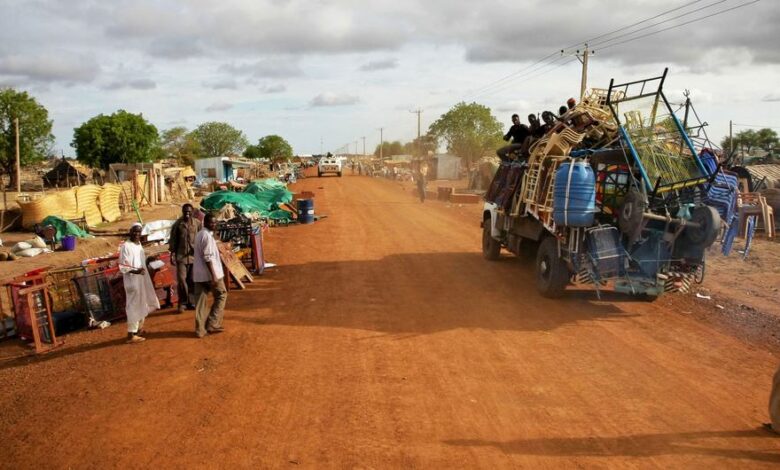
Since 2011, the United Nations Interim Security Force for Abyei (UNISFA) has been deployed in the area. Its mission is to protect civilians, monitor the security situation, facilitate access to humanitarian aid, and prevent a recurrence of armed clashes.
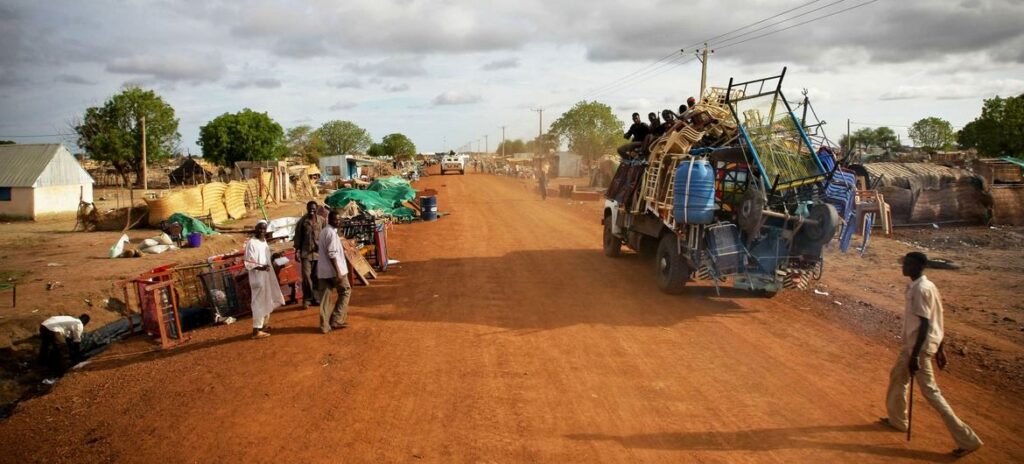
Despite the UN force's contribution to reducing violence, it does not have the authority to determine the legal status of the region, which remains linked to political negotiations between Khartoum and Juba.
The future of the region
According to reports, the future of Abyei will remain linked to the ability of Sudan and South Sudan to reach a final agreement that determines its legal status, while guaranteeing the rights of all its residents, whether Dinka Ngok or Misseriya.
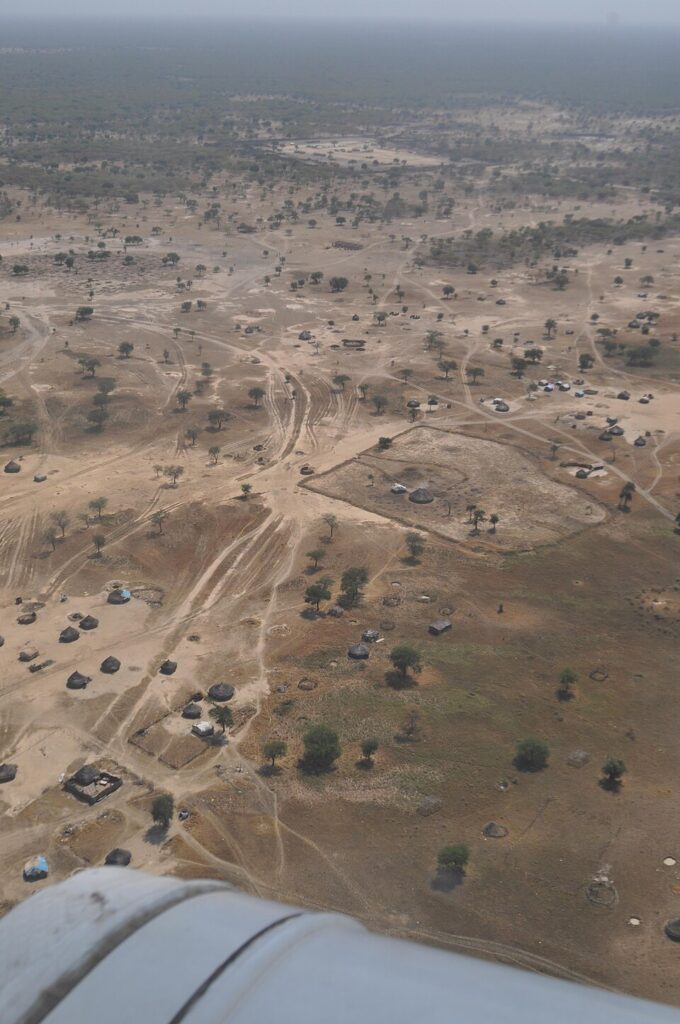
Experts also emphasize that achieving lasting peace in Abyei requires addressing issues related to land, grazing rights, and resource sharing, along with promoting coexistence among local communities, as this is the most sustainable way to end one of the longest-running border conflicts in Africa.