Egypt strengthens cooperation with Guinea in the field of technical and diplomatic training
Egyptian Ambassador meets with Guinean technical cooperation delegation
Written by: Mohamed Ragab
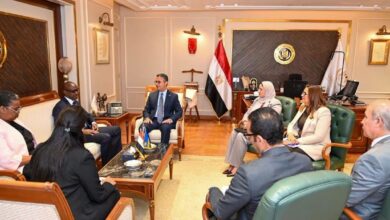
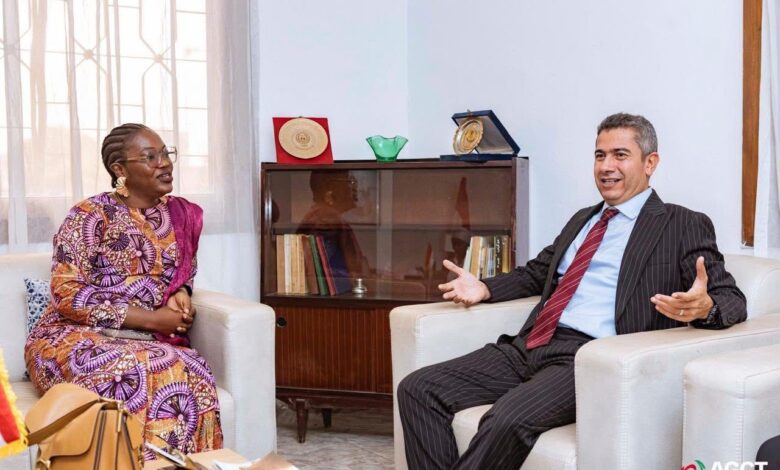
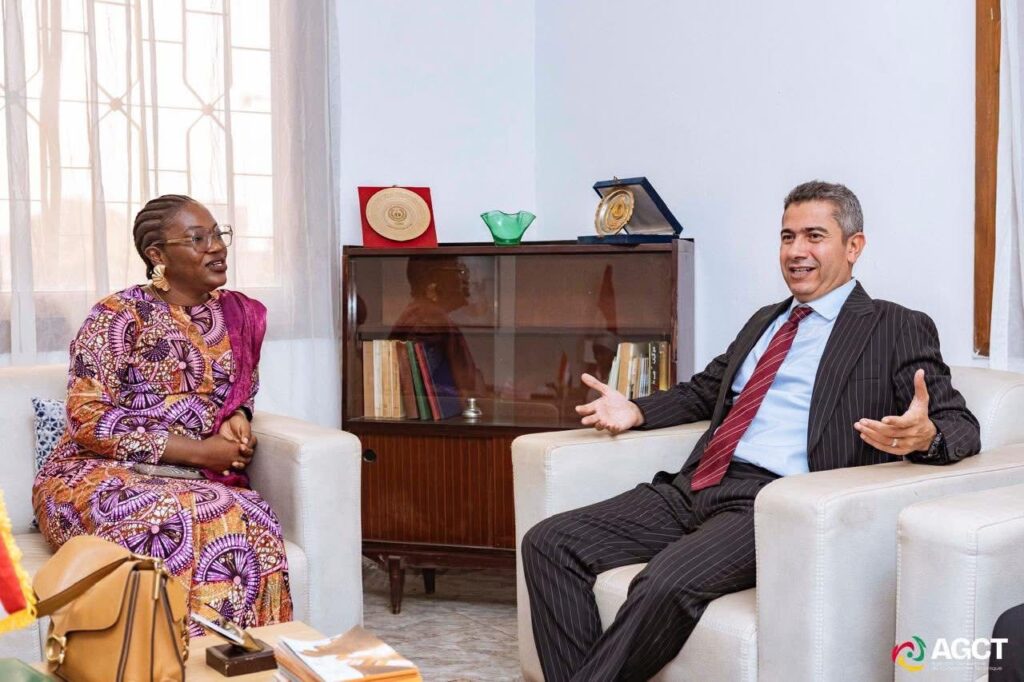
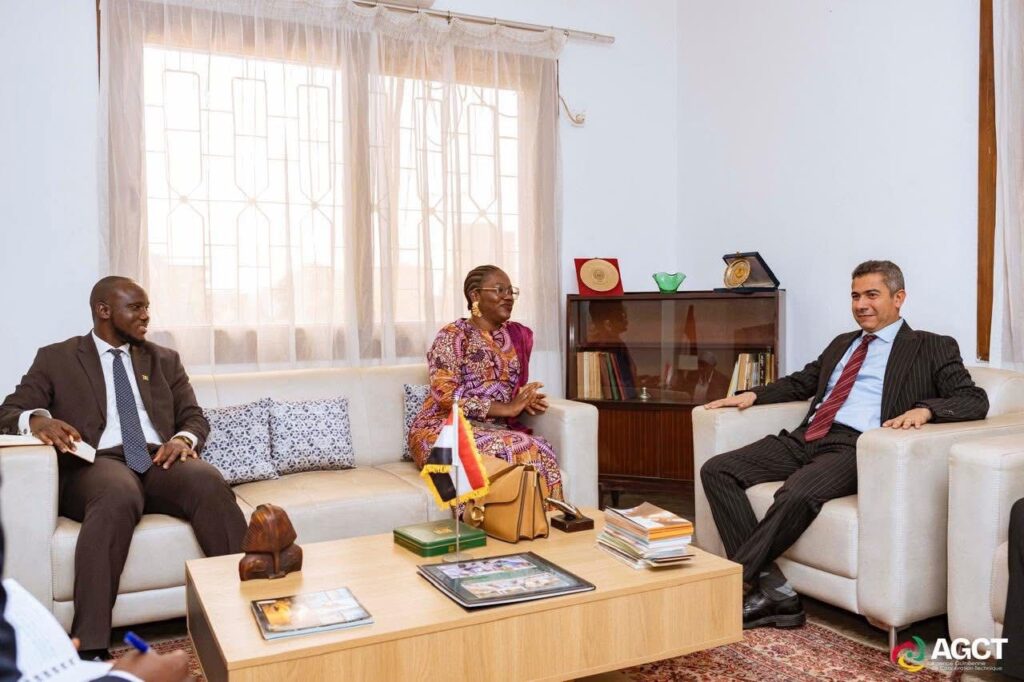
Ambassador Mohamed El-Halawany, Egypt's Ambassador to GuineaManyamba Kande, Director of the Technical Cooperation Agency in Guinea, is leading an official delegation from the agency, as part of efforts to strengthen bilateral cooperation between the two countries in the areas of capacity building and training.
Praise for the training experience in Cairo
During the meeting, Manyamba Kande expressed her gratitude to the Egyptian government, represented by the Ministry of Foreign Affairs and the Egyptian Agency of Partnership for Development, for providing the opportunity to participate in an intensive training course in Cairo, which aimed to develop the skills of those working in the field of technical cooperation and capacity building. Abilities.
The training program included field visits to a number of Egyptian and international institutions, including the International Cooperation Sector of the Ministry of Foreign Affairs, the Police Research Center, the Institute of Diplomatic Studies, and the Cairo International Center for Conflict Resolution, Peacekeeping and Peacebuilding (CCCPA), in addition to the National Training Academy, as well as learning about international experiences through the Japan International Cooperation Agency (JICA) and the Korea International Cooperation Agency (KOICA).
Enhancing the exchange of experiences
Both sides emphasized the importance of these programs in supporting the capabilities of African personnel and exchanging experiences in the areas of technical and diplomatic cooperation, which contributes to strengthening development partnerships between Egypt and African countries, especially in the areas of institution building and improving government performance.
At the end of the meeting, Ambassador Mohamed Al-Halawani presented certificates of appreciation to the members of the Guinean delegation and took commemorative photos documenting their participation in the training program, in an atmosphere that reflected the depth of relations and growing cooperation between the two sides.