South Sudan reverses decline in oil production to increase by 60,000 barrels per day
Ahmed Salem
Witness South SudanSteady steps in the oil production process at a rate of about 50,000 barrels per day, which makes it achieve energy stability, within the framework of its vision to increase the production rate, after it witnessed a decline as a result of the economic challenges facing the country.
During a ceremony honoring He Yanhui, president of Greater Pioneer Operating Company (GPOC), the Ministry of Petroleum delivered good news to its citizens in South Sudan.
It announced that the country’s oil production had risen to 60,158 barrels per day, representing a significant achievement for the country’s oil sector.
South Sudan: Reversing the oil decline
The Undersecretary of the Ministry of Petroleum, Dr. Santino Ayol Longar, praised the company for its success in reversing the decline in production in the country's old oil fields and turning it into this increase.
In his speech during the ceremony, Dr. Ayul said that Greater Pioneer Operating Company (GPOC) had succeeded in increasing production to 60,158 barrels per day as of May 29.
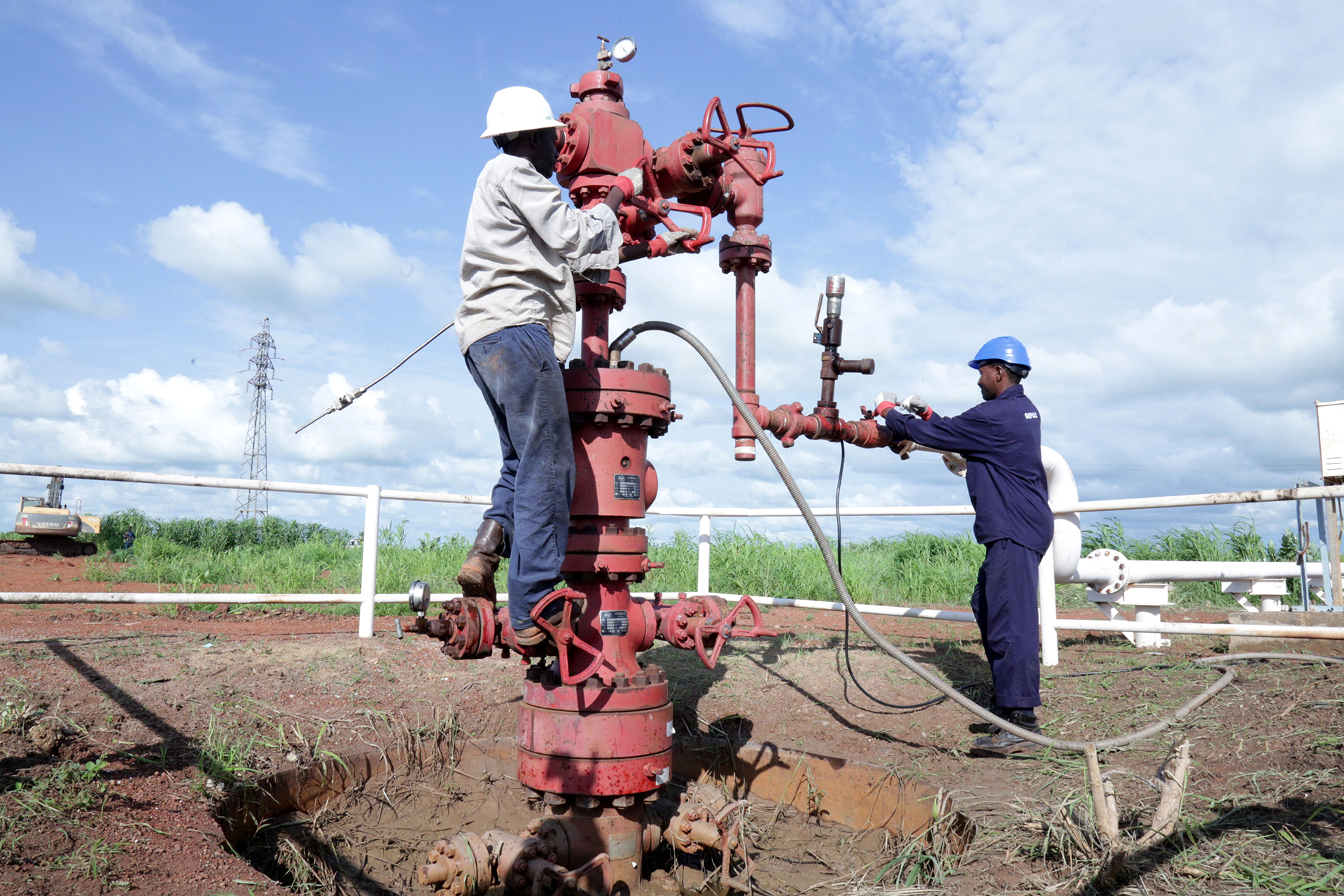
He described this achievement as evidence of the vision, perseverance, innovation and professional excellence under the leadership of Mr. He Yanhui, noting that his celebration of this event is not only a remarkable production achievement, but also a testament to the realization of the ministry’s vision in reversing the decline in production.
The Undersecretary of the Ministry of Petroleum in South Sudan explained that the state-owned oil company (GPOC) achieved a production level of 60,158 barrels per day, an achievement that deserves the highest levels of appreciation and admiration,” he stated.
Increased oil production despite challenges
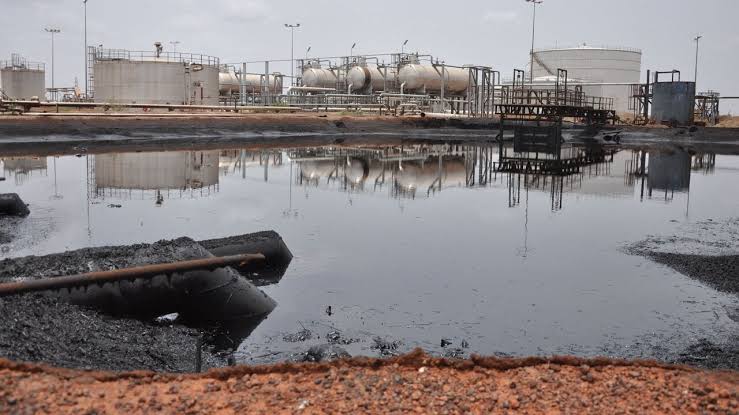
According to the ministry, this production increase was achieved in sectors 1, 2, 3, and 4 in Unity State, which are operated by the state-owned oil company (GPOC). This achievement comes despite the challenges inherent in managing mature oil fields that have been producing for nearly three decades.
Naturally, oil fields are experiencing a significant decline in production rates, estimated at around 25% per year in the case of the operations of the Government Petroleum Corporation (GPOC), as noted by Dr. Ayol.
However, he said the company has succeeded in reversing this trend through strategic leadership, thorough technical studies, and effective operational measures.
He added that during the past period, the company was able to work on achieving a stable production rate, not to mention significant growth, thanks to studies on extracting residual oil, rapid field development strategies, and innovative production enhancement programs.
He pointed out that the newly developed infrastructure alone contributed more than 6,171 barrels per day to current production levels.
South Sudan renews confidence in the oil sector
The Undersecretary stressed that this achievement goes beyond mere operational success, as it reflects renewed confidence in South Sudan’s oil sector, adding that it highlights the importance of partnerships, technology, innovation and collective determination to unleash the country’s potential from natural resources.
During his speech, Dr. Ayol said: “The Government of the Republic of South Sudan remains fully committed to supporting all efforts aimed at strengthening and developing the oil and gas sector.”.
For his part, Mr. He Yanhui, Chairman of Greater Pioneer Operating Company (GPOC), said that the announcement not only increases production but also maintains the company’s current production capacity.
He added: “We are working to sustain current production levels by harnessing all our expertise and capabilities, while managing the risks associated with operating oil fields.”.
South Sudan is heavily dependent on oil revenues, which make up the bulk of the government's income.
The recent increase in production is expected to provide much-needed support to the economy and boost national revenues in light of the significant economic challenges facing the country.