Will extending Kouyate's mission succeed in breaking the deadlock between ECOWAS and the Sahel Alliance?
تمديد مهمة لانسانا كوياتيه يعكس تمسك إيكواس بالحوار مع دول الساحل
Written by: Badr Ahmed
The Economic Community of West African States (ECOWAS) has decided to extend the mandate of its chief negotiator with the Sahel Alliance, Lansana Kouyaté, until December 2026, in a move that reflects the regional organization’s keenness to continue dialogue channels with Burkina Faso, Mali and Niger, despite the ongoing political and security disputes between the two sides.
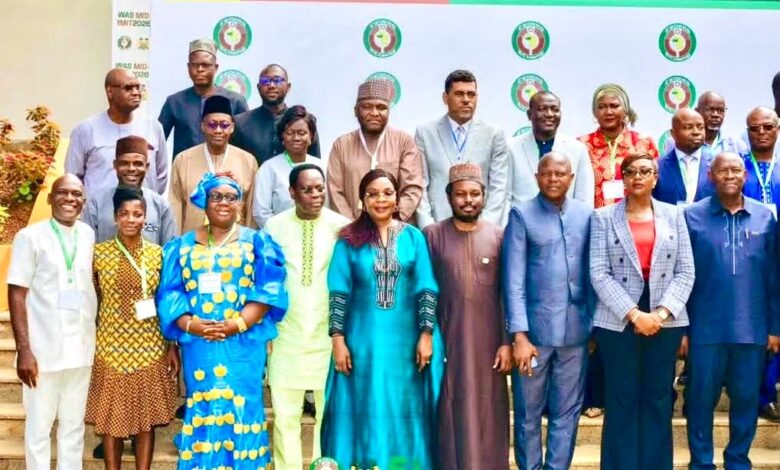
The decision was included in the final statement of the 69th Ordinary Session of the Conference of Heads of State and Government of ECOWAS, where the leaders stressed the importance of continuing diplomatic efforts aimed at maintaining regional stability and working to rebuild trust with the three countries that announced their withdrawal from the organization and formed among themselves the Sahel Alliance. .
ECOWAS extends the mandate of its chief negotiator
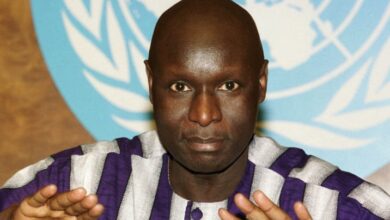
Lansana Kouyaté, a prominent Guinean diplomat and politician, is a figure with extensive experience in regional and international affairs, having previously held senior positions within ECOWAS and the United Nations. His primary mission is to lead negotiations with the authorities of Burkina Faso, Mali, and Niger, aiming to reach understandings on the future of relations between these countries and the organization, and to address outstanding political, economic, and security issues.
The extension of Kouyaté's mandate comes at a time when West Africa is facing increasing challenges, most notably the escalating security threats posed by armed groups, coupled with the political crises that followed a series of military coups in the three countries in recent years. These developments have strained relations with ECOWAS, which has previously imposed sanctions and called for a swift return to constitutional rule.
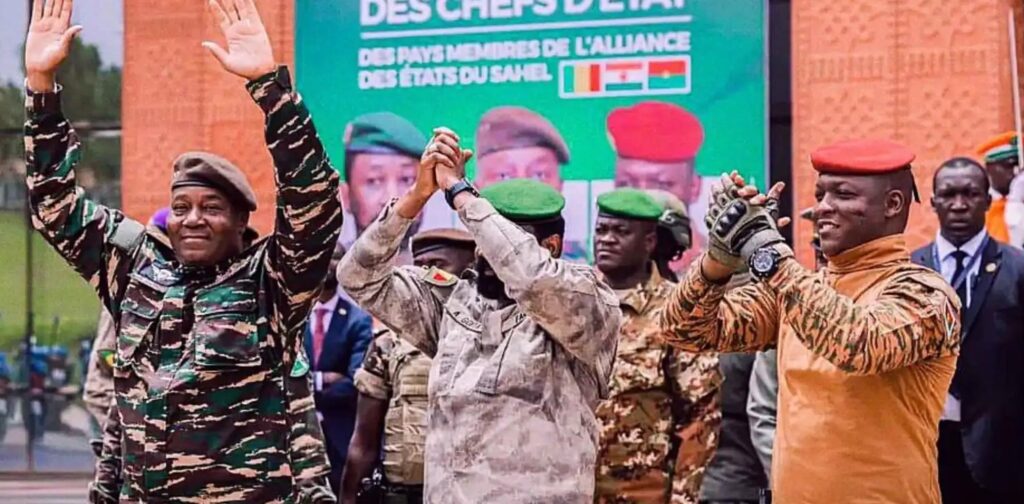
Despite Burkina Faso, Mali and Niger announcing the establishment of the Sahel Alliance and strengthening their military, political and economic cooperation, ECOWAS continues to emphasize its commitment to dialogue as the best way to overcome differences and maintain the unity of the regional space, while seeking to avoid further division within West Africa.
Observers believe that extending the chief negotiator's mission until the end of 2026 gives both sides more time to explore opportunities for rapprochement, especially given their shared interests in combating terrorism, promoting regional trade, and ensuring the free movement of people and goods between countries in the region.
The decision also reflects the ECOWAS leadership's understanding that addressing the crisis with the Sahel countries requires a long-term approach based on political dialogue and ongoing negotiations, rather than solely relying on punitive measures. New rounds of consultations between the organization and the Sahel Alliance are expected in the coming months, in an effort to find a balance between respecting the choices of member states and preserving the cohesion of the regional system, in a way that serves security, stability, and development in West Africa.