The inclusion of the Boma Padengello area in South Sudan on the UNESCO World Heritage List

Ahmed Salem
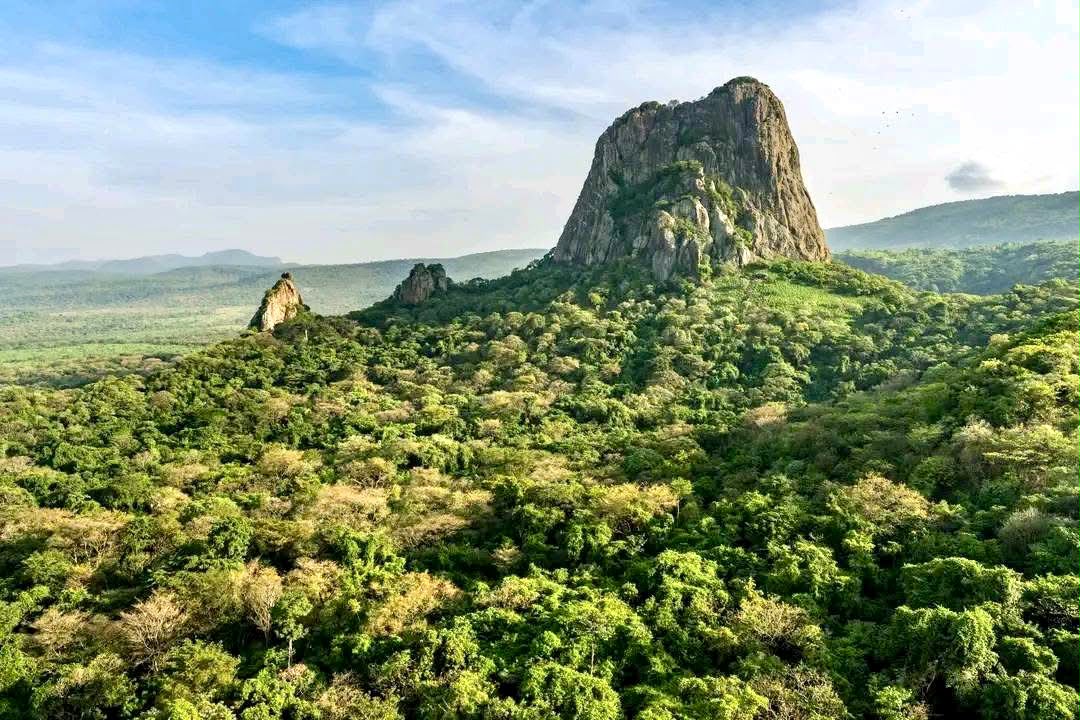
UNESCO has officially inscribed the Boma-Badingelo Migration Area on the World Heritage List, making it the first site from South Sudan to be included on this list.
This historic decision was taken during the 48th session of the UNESCO World Heritage Committee in Busan, Republic of Korea.
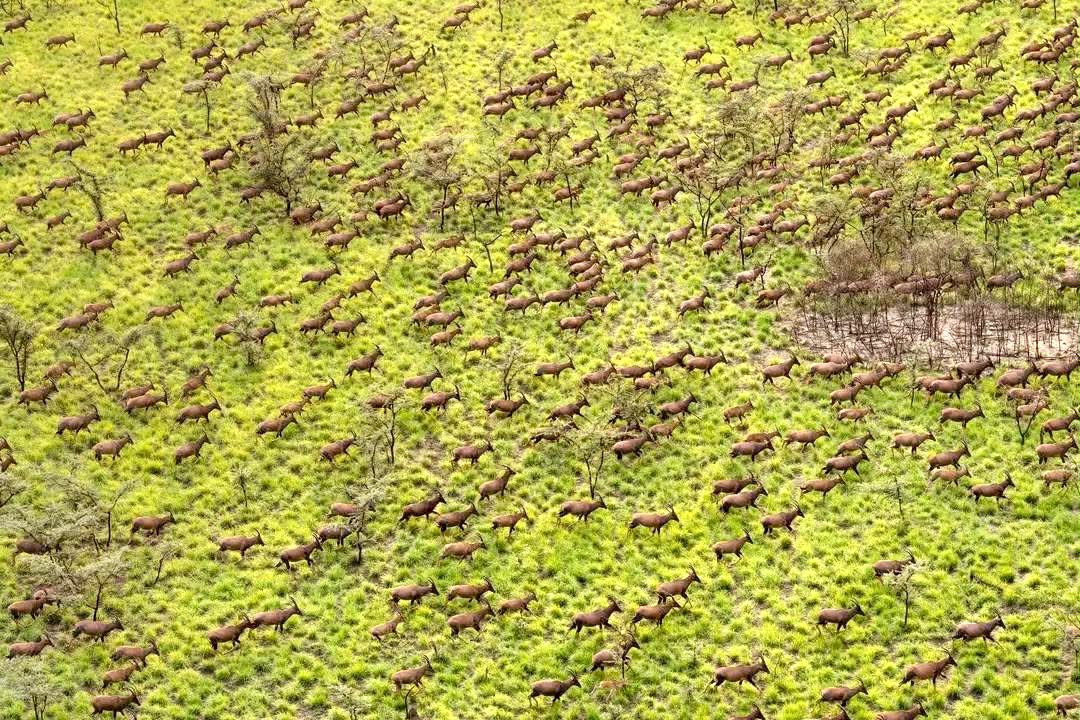
The Boma-Padingello Migration Zone is home to the Great Nile Migration, the largest land migration of mammals on Earth.
The number of white-eared kub, tiang antelopes, and moongala gazelles that undertake an incredible annual migration across the ecosystems of South Sudan is estimated at six million animals.
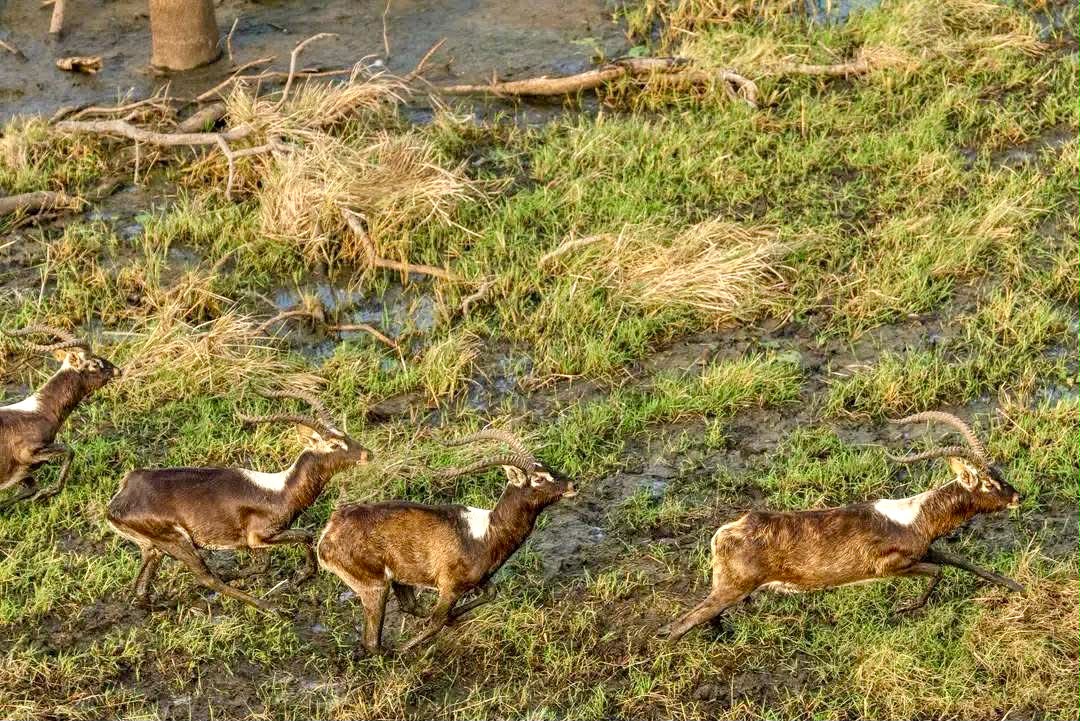
UNESCO has also listed the site as a World Heritage in Danger, a designation intended to mobilize urgent international support, funding, and protection efforts to safeguard the area from threats including poaching, habitat degradation, and climate pressures.
Sidi Bou Said, Tunisia, joins the World Heritage List
On another front, Tunisia achieved a new cultural milestone after the inclusion of the city of Sidi Bou Said on the World Heritage List of the United Nations Educational, Scientific and Cultural Organization (UNESCO), during the meetings of the World Heritage Committee held in Busan, South Korea.
The decision is a recognition of the historical, cultural and architectural value of the city, which is one of the most famous tourist destinations in Tunisia and the one most associated with Mediterranean identity.
A city with a unique architectural character
Sidi Bou Said, situated on a hill overlooking the Gulf of Tunis, is famous for its whitewashed houses with blue doors and windows, a style that has become a symbol of the town for decades. The town also boasts historic palaces, mosques, zawiyas (Sufi lodges), narrow streets, and gardens overlooking the Mediterranean Sea, making it a popular destination for artists, writers, and tourists from around the world.
The city maintains its authentic architectural character thanks to strict laws that prevent any changes that affect its visual identity, which has contributed to preserving its historical features to this day.
Cultural value that transcends borders
Heritage experts believe that Sidi Bou Said represents a unique model of cultural interaction in the Mediterranean region, combining traditional architecture with spiritual and cultural heritage.
Its strategic location near the historic city of Carthage and the capital, Tunis, has contributed to making it a center for cultural and artistic activity. Over the years, it has attracted a large number of painters, writers, and musicians who have drawn inspiration for their works from its picturesque nature.
Experts confirm that including the city on the World Heritage List enhances its international standing and supports efforts to preserve its historical landmarks for future generations.