Energy: The biggest challenge facing telecommunications investments in Africa
Telecommunications investments in Africa
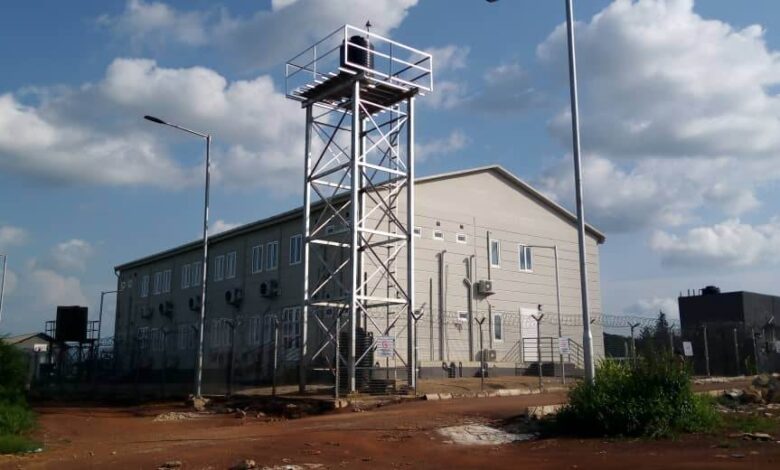
Written by: Ayman Ragab
For years, Africa’s telecommunications sector has been viewed as one of the continent’s main drivers of economic growth, supported by increasing demand for communication services, the spread of mobile-based economies, and a young population that is rapidly adopting digital technology. However, this promising landscape masks a fundamental challenge that investors and network operators cannot ignore: the energy crisis.
As networks continue to expand and data consumption rises, the question is no longer where to invest, but how to ensure the long-term sustainability and profitability of those investments. In this context, energy is no longer merely an operational requirement, but has become a critical factor in determining the economics of the telecommunications sector across the continent.
Energy scarcity hinders digital expansion
According to the International Energy Agency, some 600 million people in Africa still lack access to electricity, making the continent the one with the largest energy gap in the world. This reality directly impacts the telecommunications sector, as mobile phone towers, fiber optic infrastructure, and data centers rely on a stable and continuous electricity supply.
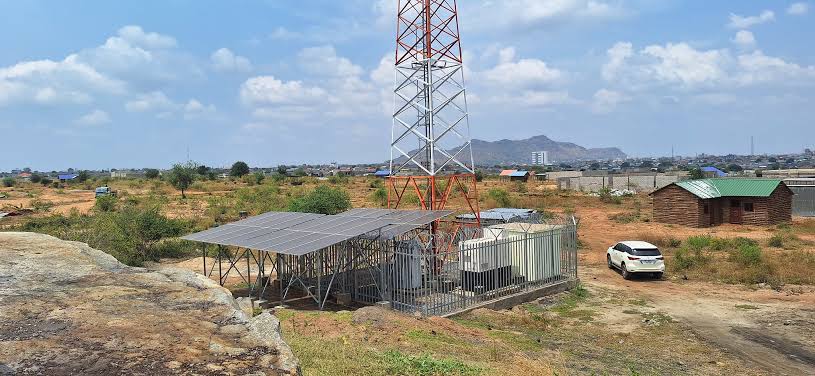
Nigeria stands out as one of the clearest examples of how the energy crisis is impacting telecommunications services. Frequent power outages and soaring diesel prices have forced telecom companies to scale back operations or warn of potential service disruptions. In 2024, the Association of Licensed Telecommunications Operators of Nigeria (ALTON) warned that escalating energy costs threatened the viability of the nationwide network, with operators spending billions of naira monthly on diesel to power their towers.
In South Africa, the power outage crisis revealed the interconnectedness of energy and connectivity. During prolonged blackouts, backup batteries in telecommunications towers run out, leading to dropped calls, poor internet service, and network congestion. MTN South Africa had previously indicated that extended outages caused significant damage to battery systems, as well as an increase in theft and vandalism at tower sites.
In the Democratic Republic of Congo and parts of rural Ethiopia, many communities remain outside the reach of commercial telecommunications networks due to the high cost of providing energy infrastructure compared to the expected returns from users. In such cases, energy shortages become a direct barrier to connectivity.
The energy and development gap compared to global economies
African countries do not suffer from a lack of demand for digital infrastructure, renewable energy, or communications services, but the challenge lies in limited investments, weak reliability of electricity networks, lack of manufacturing capabilities, and a lack of financing tools needed to build a modern energy economy.
The data indicates that Africa accounts for about 83% of the global electricity deficit, while electricity supply rates in Europe, North America and most Asian countries exceed 99%. This reality directly affects manufacturing, the expansion of digital infrastructure and the development of energy-intensive sectors such as artificial intelligence and cloud computing.
The instability of electricity grids also presents an additional challenge. According to World Bank surveys of businesses, companies in sub-Saharan Africa face an average of 8.5 power outages per month, compared to less than one per month in OECD economies. In countries like Nigeria and South Africa, these prolonged outages have driven telecommunications companies, banks, factories, and data centers to make significant investments in backup diesel generators, leading to a substantial increase in operating costs.
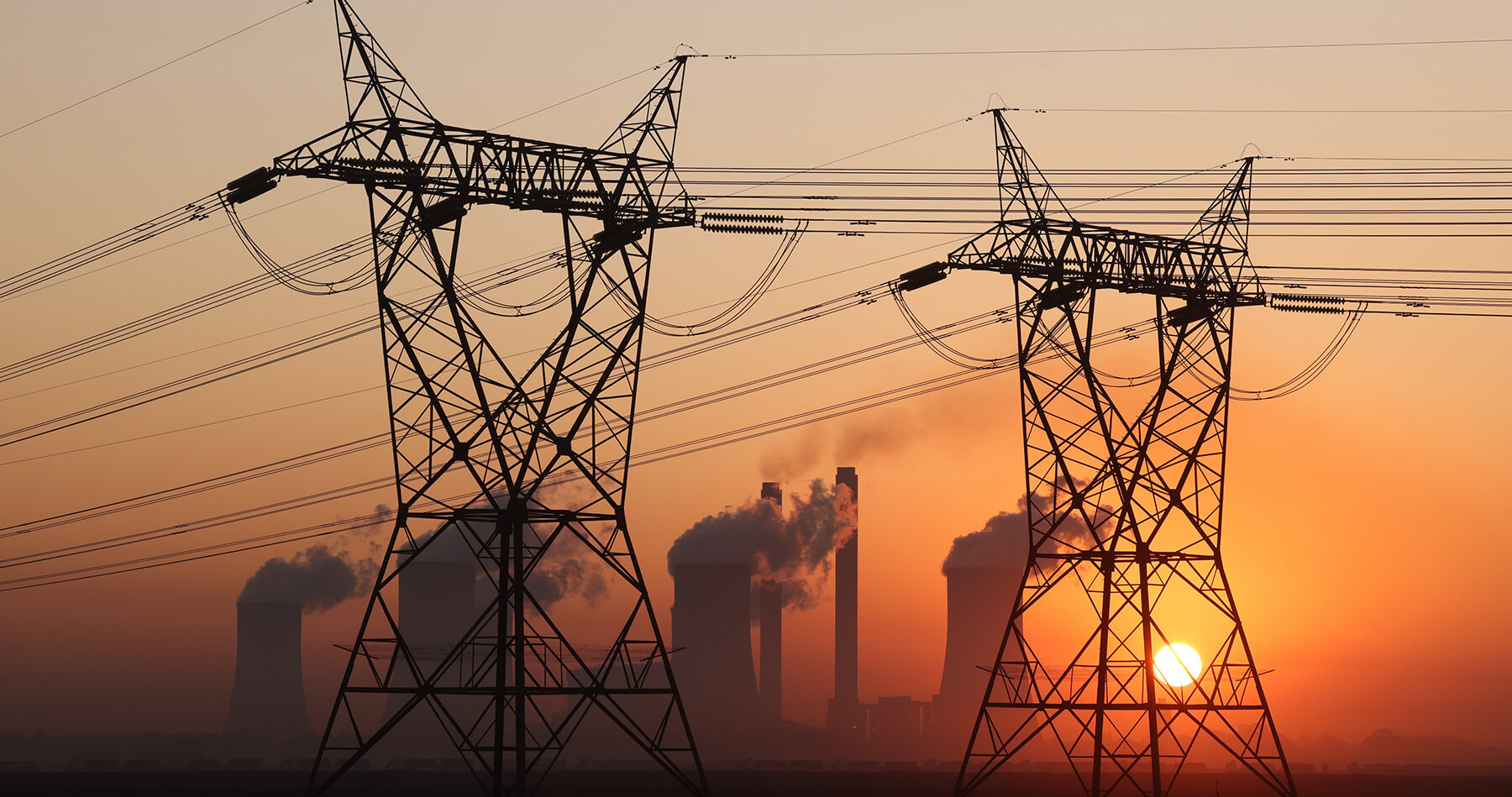
While clean energy technologies are projected to account for more than 10% of China’s economic growth in 2024 for the first time, with sales and investments totaling 13.6 trillion Chinese yuan, investment levels in the African energy sector remain significantly lower than their global counterparts.
Added to this is the manufacturing factor, with China controlling more than 80% of global solar panel manufacturing and dominating battery supply chains, while Europe and the United States continue to promote clean technology industries through policies such as the Reducing Inflation Act and the Zero Emission Industry Act.
As for infrastructure, the length of electricity transmission lines in sub-Saharan Africa does not exceed 170,000 kilometers, which is among the lowest rates per capita globally, limiting regional energy trade and reducing the ability of countries rich in renewable energy to export their surplus production efficiently.
The gap is most evident in the digital economy, where global cloud computing companies like Google, Microsoft, and Amazon are investing billions of dollars in data centers and AI infrastructure. In contrast, Africa currently accounts for less than 11 TPH of global data center capacity, and unreliable electricity supply remains a major obstacle to the expansion of cloud computing and AI on the continent.
Despite these challenges, Africa has an exceptional opportunity. Unlike advanced economies that rely on outdated, centralized infrastructure, African countries can transition directly to decentralized energy models based on solar power, batteries, and modern communications. Kenya already generates over 801 T3T of its electricity from renewable sources, while Morocco continues to develop one of the world's largest solar power plants through the Noor Ouarzazate project.
Thus, the problem lies not in a lack of resources or capabilities, but in limited funding, weak local manufacturing, and the absence of long-term coordination in infrastructure projects.
Energy is transforming from an operational expense into an investment factor.
The expansion of the telecommunications sector has always been linked to massive capital investments, including the purchase of frequencies, the construction of towers, and the upgrading of networks. However, operating expenses, particularly energy costs, are now becoming an increasingly significant factor in the financial results of companies operating in Africa.
In many markets, energy accounts for a significant portion of total operating costs due to reliance on diesel generators and the instability of power grids. Fluctuations in fuel prices, transportation costs, and maintenance expenses further strain profit margins, altering how investments in the sector are valued.
The success of network deployment is no longer measured solely by the number of subscribers or coverage area, but also by the operators’ ability to run these networks efficiently and at sustainable costs in the long term.
This equation is clearly reflected in expansion plans. Urban areas, which have a more stable electricity supply, receive the largest share of investments, while many rural and semi-urban areas remain outside the expansion despite having promising demand, due to the high costs of operating energy infrastructure.
In response to these challenges, the industry is moving towards new operating models, most notably the “energy-as-a-service” model, which allows network operators to engage specialized providers to manage their energy needs. This model helps transform volatile energy costs into more stable and predictable expenses, thereby improving financial planning and reducing operational complexities.
Telecommunications tower companies are also expanding their roles to become energy solution providers, by developing a shared infrastructure that serves several operators simultaneously, which contributes to increased efficiency and reduced duplication of investments.
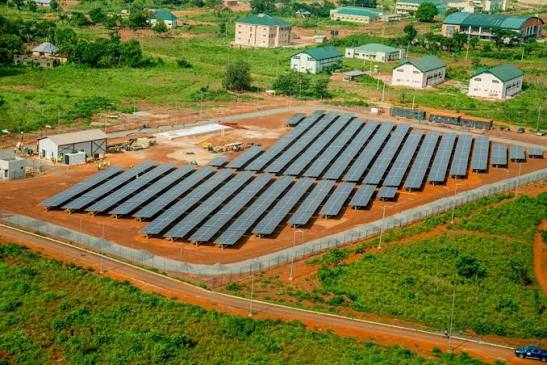
Over time, hybrid energy systems allow for reduced reliance on diesel and greater stability in operating costs, thus enhancing return on investment. These solutions also open the door to low-cost models for deploying networks in areas previously considered economically unviable, particularly in rural regions.
A new perspective for investors
This shift is forcing investors to reconsider their criteria for evaluating the telecommunications sector. In addition to traditional performance indicators such as subscriber growth, average revenue per user, and geographic coverage, energy efficiency and the level of exposure to energy risks have become key factors in investment decisions.
Even projects with strong demand may struggle to achieve their targeted returns if energy costs are high or highly volatile. Conversely, investments in energy-efficient infrastructure can yield more sustainable returns over the long term.
This has already been reflected in financing trends, with increasing interest in integrated models that combine communications infrastructure and energy solutions, within a more comprehensive vision for network sustainability.
Although the telecommunications sector in Africa remains among the most vital sectors in the world, its future will be determined not only by its ability to expand connectivity, but also by its ability to secure the energy needed for this expansion.
Today, energy is no longer merely an operational element; it has become a strategic factor determining where networks are built, how they are managed, and their profitability. In light of these changes, the winners in the African telecommunications market will not only be those who connect the largest number of users, but also those who can do so efficiently, sustainably, and on a large scale.