National Reconciliation Day in Niger: A commemoration of peace that unites a diverse people
An annual celebration of hope and peace
Written by Omnia Hassan
On the twenty-fourth of April each year, official life comes to a standstill in Niger In celebration of National Reconciliation Day (Journée de la Concorde), a national holiday that embodies a pivotal moment in the country’s modern history, when the state chose the path of reconciliation instead of continuing the conflict.
This day is viewed not only as a historical commemoration, but also as an enduring symbol of national unity and coexistence among the diverse cultural and ethnic components of Nigerian society.
The roots of today lie in a peace agreement that ended years of turmoil.
Reconciliation Day is linked to the signing of the peace agreement on April 24, 1995 between the government and armed groups in the north of the country, after years of tensions that erupted in the early 1990s.
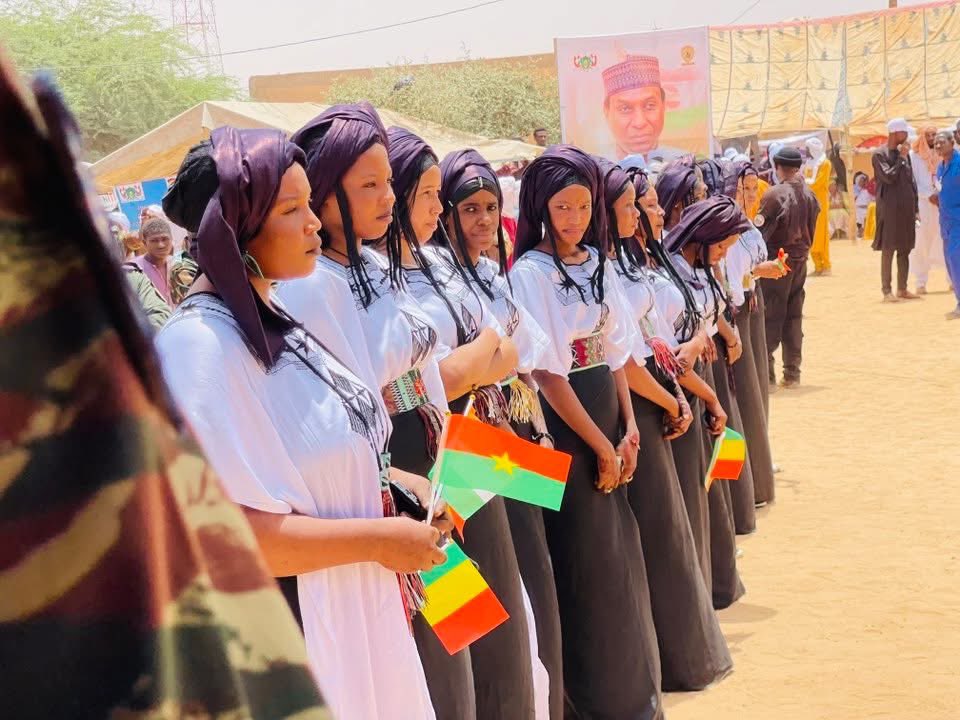
The agreement marked a turning point towards ending widespread violence, and opened the door to a political and social path aimed at integrating conflict-affected areas and promoting national participation. Since then, this date has become the title of a new phase characterized by stability and civil peace.
Symbolism that transcends history to build the future
The state uses this occasion annually to affirm the values of tolerance and equal citizenship, and to reinforce the idea that diversity is a source of strength, not a cause of division. The Day of Reconciliation is seen as a collective reminder that peace is a strategic choice for nation-building, especially in a country that spans a vast area and has diverse cultural and social backgrounds.
Official speeches and public events in Niamey and major cities
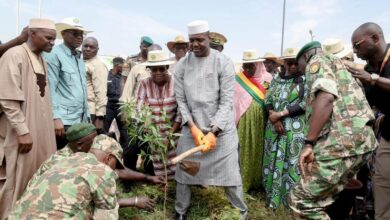
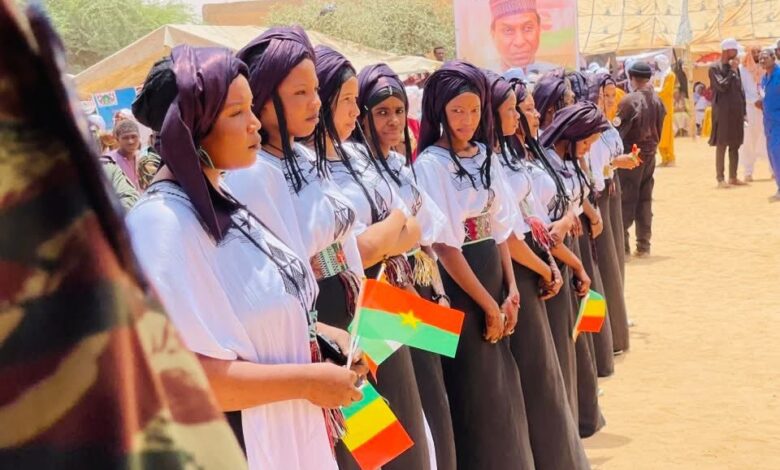
The capital Niamey and other cities are witnessing official ceremonies that include speeches by senior officials, highlighting the importance of maintaining stability and the role of youth in preserving social peace.
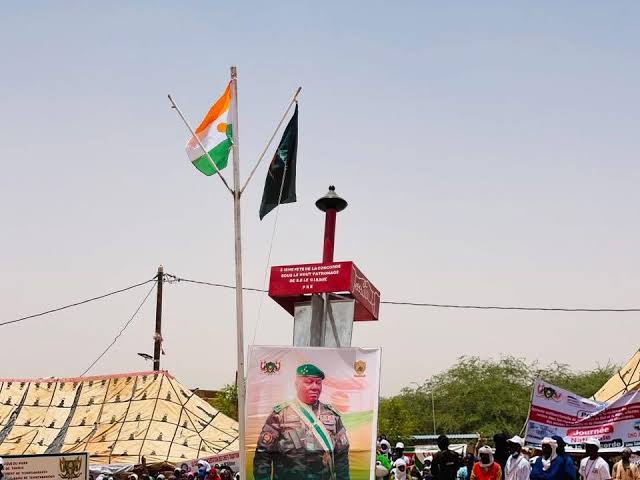
Public squares are transformed into platforms for cultural and artistic performances that reflect the richness of local heritage, from traditional music and folk dances to craft exhibitions that highlight national identity.
Schools and civil society: Establishing a culture of coexistence
Schools and cultural centers play a pivotal role in this occasion through educational activities and open dialogues about the values of peace and tolerance.
Civil society organizations also organize meetings and workshops that encourage dialogue between different social groups, thereby promoting a spirit of shared citizenship.
A day for family and shared hope
Socially, Reconciliation Day is an opportunity for families to meet and celebrate, and for the whole community to recall the meaning of reconciliation. Thus, this day remains more than just a public holiday; it is an annual celebration of hope for a future of peace and unity in Niger.