Disagreements between Morocco and Germany are delaying a massive $30 billion electricity project.
Written by Ziad Abdel Fattah:
Plans to create a massive project are facingRenewable electricity transmission From Morocco to Germany, with investments estimated at around $30 billion, there are obstacles that could delay its implementation, amid disagreements between the two sides regarding government guarantees and the project's operating structure, according to Reuters, citing four informed sources.
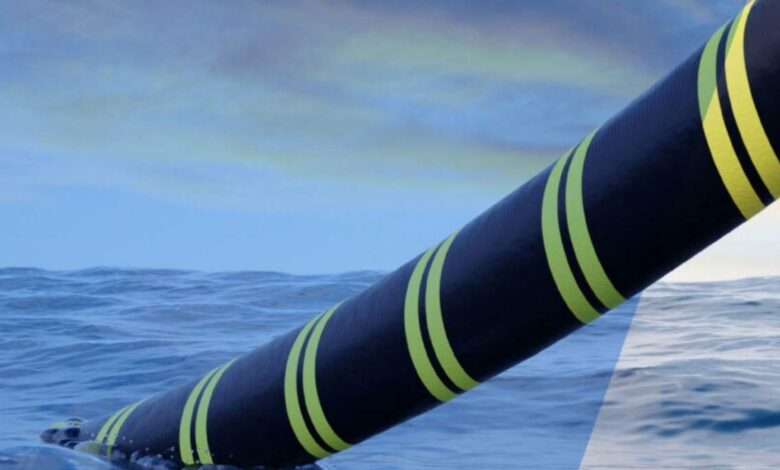
The Sila Atlantik project aims to create the world’s longest transcontinental submarine power transmission line, via two high-voltage cables extending for about 4,800 kilometers, to transmit electricity generated from solar and wind power in Morocco to Germany, covering up to 5% of the annual demand for electricity in the German market.
Moroccan authorities stipulate the signing of a formal agreement.
The sources said that the Moroccan authorities are stipulating the signing of a formal government agreement between Rabat and Berlin to guarantee long-term support for the project, while also wanting the interconnection line to allow electricity to flow in both directions, and not just from Morocco to Germany.
A German source explained that establishing a two-way transport line is technically possible, but it would significantly increase the project's cost compared to the one-way export option.
The project relies on the establishment of solar and wind power plants in Morocco with a capacity of up to 15 gigawatts, before transmitting it to Germany via submarine cables, with total infrastructure investments estimated at around $30 billion.
The German company Sila Atlantik was established to develop the project after a previous project to link Morocco to the United Kingdom via submarine cables, which was called Xlinks, faltered.
A senior regional official revealed that Moroccan authorities had allocated approximately 150,000 hectares of land in the Guelmim-Oued Noun region for the Xlinks project, but have not yet granted the same allocation for the Sila Atlantik project.
For its part, Sila Atlantik confirmed that the project is still progressing according to its technical, commercial, organizational and financial plan, noting that it continues to evaluate the technical and organizational options that will ensure its long-term success, without commenting on the details of the negotiations with the Moroccan side.
For its part, the Moroccan Ministry of Energy Transition and Sustainable Development explained that regional integration in the energy sector is one of the main pillars of the Kingdom’s energy transition strategy, stressing the continued work to strengthen electrical interconnection with European partners.
The project comes at a time when Europe has an increasing need to diversify its energy sources and enhance security of supply, especially with the expected expansion in electricity consumption as a result of the rapid growth in data centers and artificial intelligence.
Morocco already has the only electricity interconnection line between Africa and Europe via Spain, which played an important role in supporting the Spanish electricity grid during a widespread power outage last year.
Morocco is also working on implementing new electricity interconnection projects with Spain and Portugal, in addition to studying the establishment of an interconnection line with France, as part of broader efforts to enhance electricity integration with Europe and support cross-border renewable energy projects.