Feed Salone is leading an agricultural revolution in Sierra Leone: local onions are changing the game.
A radical transformation in the agricultural sector
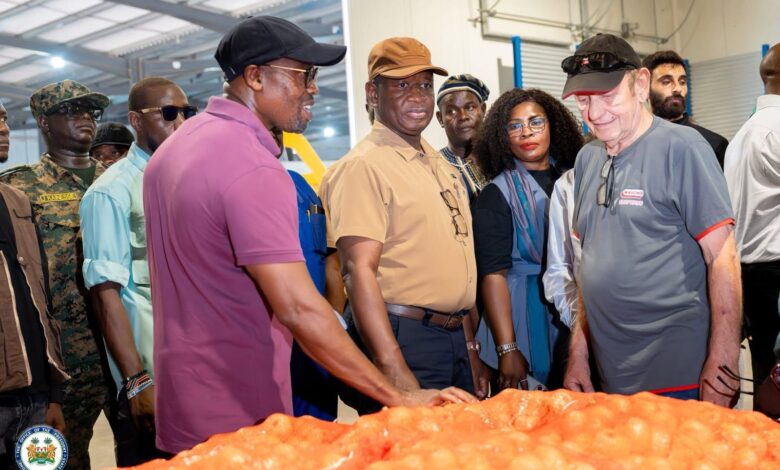
Sierra Leone is witnessing a new phase of agricultural transformation with the launch of the “Feed Salone” platform, which aims to rebuild the agricultural sector and enhance food security in the country.
This initiative comes as part of government efforts and partnerships with the private sector to reduce dependence on imports, especially in basic crops such as onions, which are an important consumer commodity in the local market.
The platform seeks to support local production by developing supply chains, improving farming methods, and providing technical support and financing to farmers, thereby ensuring increased production and gradually achieving self-sufficiency.
Pee Cee Agriculture farm is a successful partnership model.
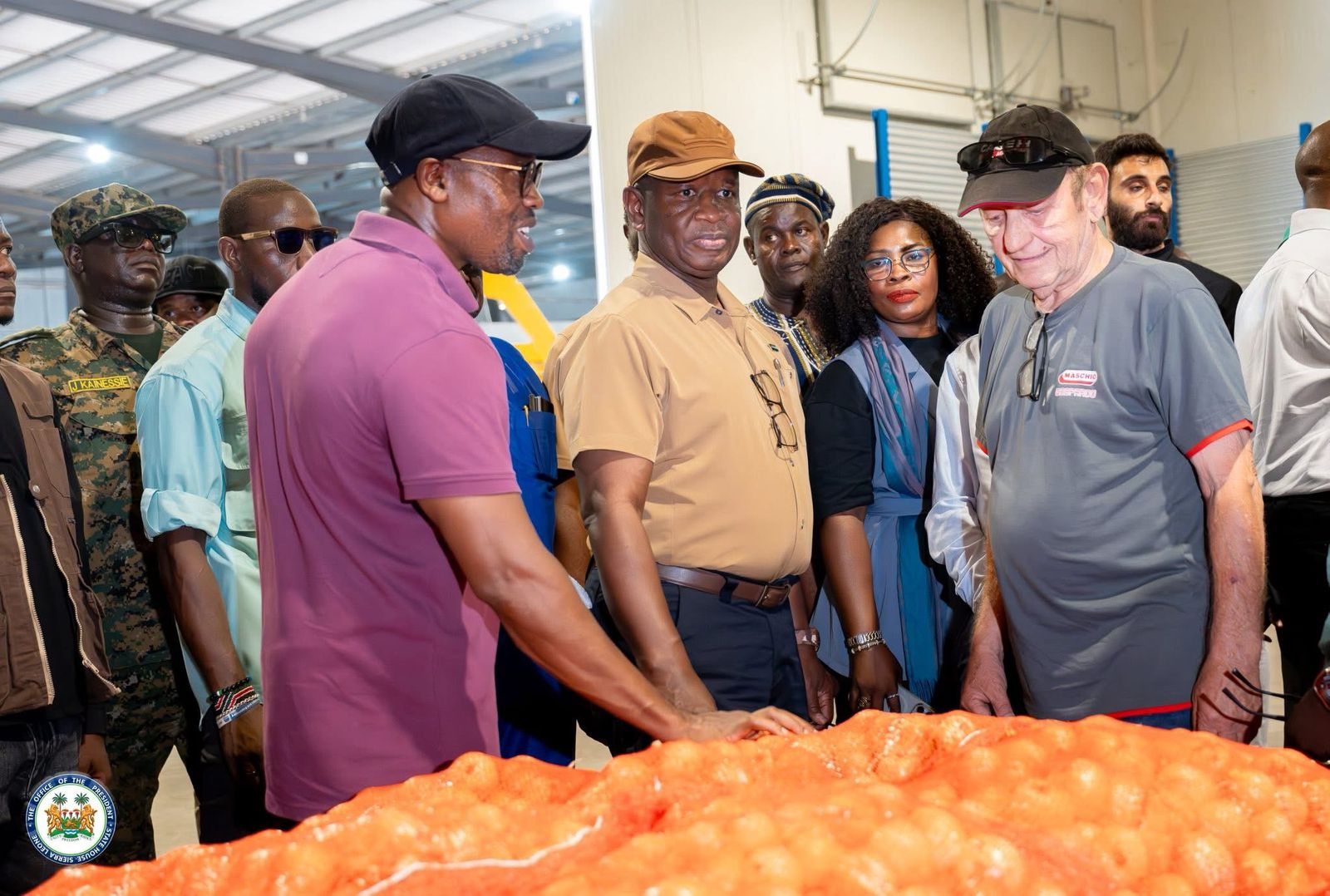
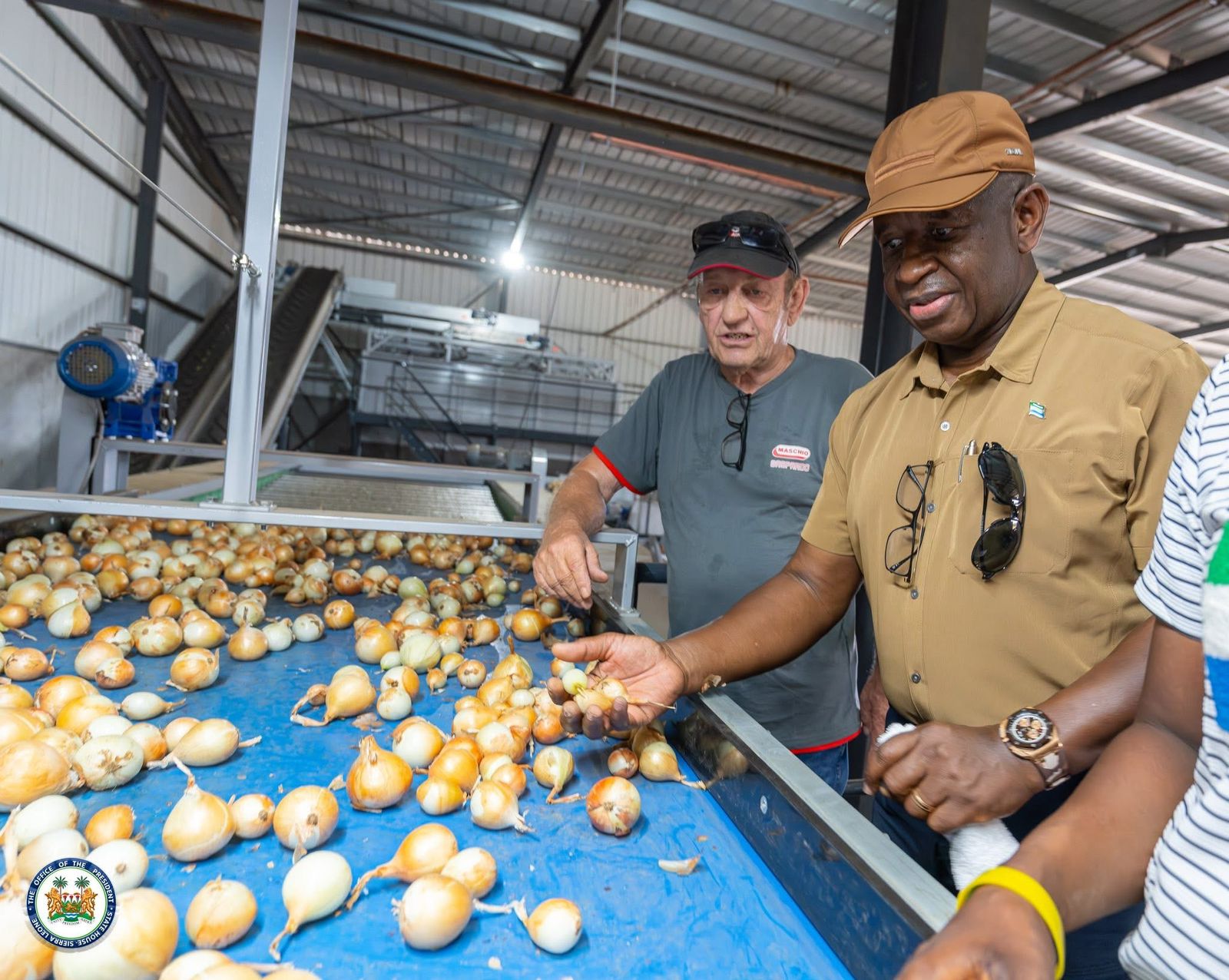
In a scene reflecting the results of these efforts, a field tour began at the Pee Cee Agriculture onion farm in the Longi region, where the impact of the partnership between the state and the private sector in driving agricultural production is clearly evident.
The farm represents a practical model of how to turn plans into tangible reality, as it has contributed to significantly reducing onion imports, which has had a positive impact on the local economy and opened new horizons for farmers and workers in the agricultural sector.
Creating job opportunities and boosting the local economy
In addition to boosting agricultural production, these initiatives have contributed to creating direct and indirect employment opportunities for local communities that previously suffered from limited opportunities. Today, the agricultural sector has become one of the main drivers of employment in Sierra Leone, especially in rural areas.
These projects also helped raise the level of agricultural skills among workers, through training and transfer of modern expertise in farming and production methods.
Towards a sustainable agricultural future
With the rapid expansion of the “Feed Salone” platform, there is a growing desire for broader partnerships with the private sector, with the aim of boosting local production and achieving sustainable food security.
This experience confirms that investing in agriculture is not just an economic option, but a fundamental pillar for building a more stable and prosperous future for Sierra Leone, where local production becomes the main driver of growth and development.
Agriculture in Sierra Leone is one of the most important economic sectors and has the greatest impact on the lives of the population, as a large part of the population depends on it for income and food.
The government, in cooperation with the private sector and development initiatives such as “Feed Salone”, is working to develop the agricultural sector by supporting farmers and improving production.