The International Monetary Fund praises Zimbabwe's performance and expects continued growth despite global risks.
Written by: Ayman Ragab
The International Monetary Fund praised Zimbabwe's strong implementation of economic policies, following its approval of the completion of the first review of the ten-month monitored program, stressing that the recent measures have contributed to consolidating economic stability and enhancing positive prospects.
The IMF explained in a statement issued on Tuesday that Zimbabwe’s economy has shown resilience despite global challenges, achieving growth of 8.3% during 2025, supported by improved agricultural production, strong mining activity, and stable gold prices, a momentum that continued during the first months of 2026.
The projected growth rate was 5% in 2026
The IMF projected that the economy would grow by 5% in 2026, before settling at 4.2% in the medium term, with inflation remaining in single digits thanks to continued tight monetary and fiscal policies.
Conversely, he warned of continuing risks that could affect the economy, most notably the possibility of a large-scale El Niño phenomenon this year, along with renewed conflict in the Middle East.

The statement noted that inflation remained low thanks to the tight monetary policy and exchange rate stability, pointing out that all quantitative targets of the program up to the end of March had been achieved, including targets for the primary budget balance, net international reserves, external borrowing, and monetary base growth.
The IMF added that the authorities have made progress in implementing structural reforms, while the monitoring program continues to support sound fiscal management, bolstered by improved public revenues.
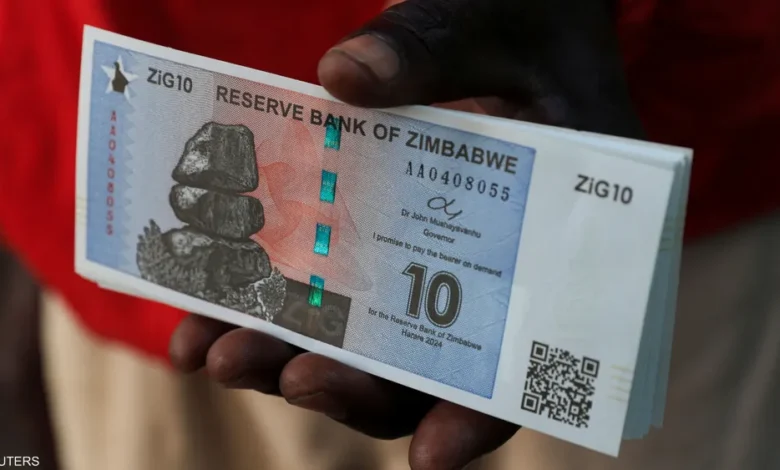
The International Monetary Fund also commended the Reserve Bank of Zimbabwe for its commitment to a tight monetary policy that has helped contain inflation and reduce pressure on the foreign exchange market.